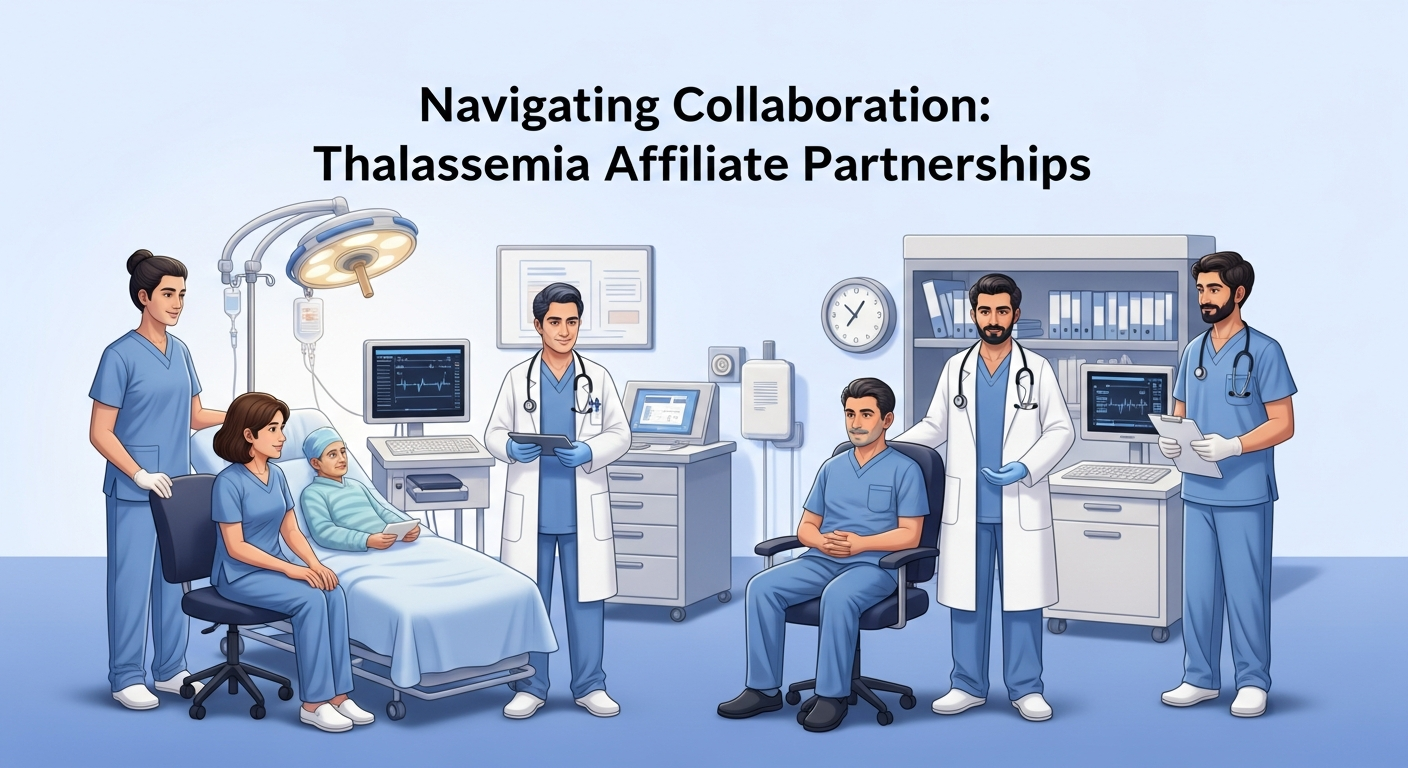
Thalassemia partnerships focus on collaboration between healthcare providers, NGOs, and communities to improve patient care, raise awareness, and strengthen support systems. These alliances help enhance treatment access, education, and long-term management outcomes.
Understanding the Foundations of Thalassemia Partnerships
At its core, thalassemia partnerships rely on a shared vision: improving patient care through coordinated, multi-stakeholder efforts. Thalassemia is a hereditary blood disorder that affects hemoglobin production, leading to chronic anemia and long-term complications. Because the condition requires continuous medical care, emotional support, and community awareness, isolated efforts by single organizations are often not enough to address the full spectrum of patient needs.
By building structured collaborations, healthcare providers, NGOs, research institutions, and advocacy groups can work together to remove barriers such as limited healthcare access, lack of awareness, and financial constraints. This unified approach ensures better outcomes for patients and families affected by thalassemia.
Key Foundations of Strong Thalassemia Partnerships
- Shared mission focused on patient-centered care
- Clear governance structure with defined roles and responsibilities
- Collaboration between healthcare, research, and advocacy sectors
- Standardized communication channels for coordination
- Data sharing for better treatment and research outcomes
- Community outreach and awareness programs
- Commitment to ethical and clinical guidelines (CDC, NHLBI standards)
- Sustainable funding and resource allocation
Core Elements of Partnership Building
| Component | Purpose | Impact |
|---|---|---|
| Governance Structure | Defines roles and accountability | Ensures smooth coordination |
| Clinical Guidelines | Standardizes treatment approaches | Improves patient safety |
| Community Engagement | Raises awareness and education | Increases early diagnosis |
| Resource Sharing | Combines funding and expertise | Expands service capacity |
| Research Collaboration | Joint studies and trials | Advances treatment options |
Building a Strong Foundation for Thalassemia Partnerships
 Establishing effective thalassemia partnerships begins with a formal framework that clearly defines goals, expectations, and operational structures. A well-drafted charter helps outline leadership roles, communication methods, and performance indicators to measure success.
Many successful alliances align their practices with globally recognized health authorities such as the National Heart, Lung, and Blood Institute (NHLBI) and the Centers for Disease Control and Prevention (CDC) to ensure clinical accuracy and consistency in patient care strategies.
Initial collaboration activities often include:
- Hosting kickoff summits or strategy workshops
- Developing shared treatment and outreach goals
- Identifying regional healthcare gaps
- Assigning responsibilities across partner organizations
- Establishing data-sharing protocols
- Planning joint screening and awareness campaigns
These foundational steps ensure that every partner contributes meaningfully while maintaining accountability and transparency.
Benefits of Strong Thalassemia Partnerships
- Improved access to early diagnosis and treatment
- Expanded patient education and counseling services
- Enhanced research and clinical trial opportunities
- Stronger community awareness and advocacy impact
- Better resource utilization across organizations
- Increased survival and quality-of-life outcomes
Key Benefits of Collaborative Networks
 When multiple stakeholders unite under thalassemia partnerships, they create a powerful ecosystem that delivers benefits far beyond what any single organization can achieve. These collaborations strengthen healthcare delivery, improve patient outcomes, and expand access to essential services across communities.
Key Benefits of Strong Thalassemia Partnerships
1. Resource Optimization
One of the most immediate advantages is efficient use of resources. Instead of duplicating efforts, partner organizations can pool funding, share infrastructure, and coordinate volunteer networks. This reduces operational costs and allows more investment in direct patient care and awareness programs.
2. Expanded Community Reach
Collaborative outreach campaigns significantly increase visibility and impact. By combining audiences across hospitals, NGOs, and advocacy groups, thalassemia partnerships can reach underserved rural populations as well as urban communities. This leads to higher screening rates and improved early detection.
3. Improved Screening and Early Diagnosis
Joint awareness initiatives encourage more individuals to undergo carrier screening and genetic counseling. Early identification helps reduce the risk of passing thalassemia to future generations and enables timely treatment planning.
4. Shared Clinical and Research Expertise
Partnerships bring together diverse expertise from clinicians, researchers, and public health professionals. This collaboration improves diagnostic accuracy, strengthens treatment protocols, and enhances the overall quality of patient care.
Impact Overview of Thalassemia Partnerships
| Area of Impact | How Partnerships Help | Result |
|---|---|---|
| Funding Efficiency | Shared grants and pooled donations | Lower costs, higher reach |
| Awareness Campaigns | Joint media and outreach programs | Wider public engagement |
| Screening Programs | Coordinated health drives | Early detection of carriers |
| Research & Innovation | Shared clinical trials and data | Faster medical advancements |
| Policy Influence | Unified advocacy voice | Stronger healthcare policies |
5. Stronger Advocacy and Policy Influence
A unified coalition carries more influence when engaging with policymakers and healthcare authorities. Thalassemia partnerships can advocate for improved treatment guidelines, better insurance coverage, and increased government funding for rare blood disorders.
6. Accelerated Medical Innovation
Collaboration between hospitals, universities, and research institutions drives innovation in diagnostics and treatment. Shared data and joint clinical trials help speed up the development of new therapies, improving long-term patient outcomes.
7. Cultural and Community-Sensitive Care
Local organizations bring cultural understanding that improves patient engagement and trust. This ensures that awareness campaigns and treatment programs are tailored to community beliefs, languages, and healthcare access challenges.
Strategies for Building Effective Thalassemia Partnerships
Strong thalassemia partnerships require structured planning, clear communication, and long-term collaboration between healthcare providers, NGOs, researchers, and community organizations. When properly developed, these alliances improve patient care, expand awareness, and strengthen support systems across regions.
1. Define Clear Goals and Structures
Successful partnerships begin with a shared mission and clearly defined objectives. All participating organizations should agree on a unified vision that focuses on improving patient outcomes and increasing access to care. A kickoff meeting—either virtual or in-person—helps outline each partner’s role and responsibilities.
A formal governance document should include:
- Mission and vision statements
- Decision-making processes
- Communication protocols
- Conflict resolution guidelines
- Reporting structure
Setting measurable KPIs (Key Performance Indicators) such as screening rates, awareness campaigns, and patient outreach numbers ensures accountability and progress tracking across all partners.
2. Develop a Diverse and Inclusive Network
Diversity strengthens the effectiveness of thalassemia partnerships by bringing together different perspectives and skill sets. A well-balanced network may include:
- Hospitals and clinical laboratories
- Patient advocacy organizations
- Public health institutions
- Policy and research think tanks
- Community-based grassroots groups
Including patients or caregivers in advisory roles ensures that programs remain practical, culturally sensitive, and aligned with real-world needs. This inclusive approach improves trust and engagement within affected communities.
3. Leverage Technology and Communication Tools
Digital tools play a critical role in managing modern thalassemia partnerships. They improve coordination, transparency, and efficiency across geographically distributed teams.
Common Tools Used:
- Project Management: Trello, Asana, Monday.com
- Communication: Zoom, Microsoft Teams, Google Meet
- Data Sharing: Secure cloud platforms and encrypted databases
- Collaboration: Shared drives for research and outreach materials
These tools help track progress, schedule meetings, store sensitive data securely, and ensure all partners stay aligned with project goals.
Technology Use in Partnerships
| Tool Type | Example Tools | Purpose | Benefit |
|---|---|---|---|
| Project Management | Trello, Asana | Task tracking | Better coordination |
| Communication | Zoom, Teams | Meetings & webinars | Real-time collaboration |
| Data Storage | Cloud systems | Secure data sharing | Improved research access |
| Education Platforms | LMS tools | Training programs | Skill development |
4. Invest in Training and Resource Development
Capacity building is essential for maintaining consistency across all partners. Providing standardized training ensures that all stakeholders follow the same protocols and deliver high-quality care.
Training initiatives may include:
- Clinical diagnostic guidelines
- Patient counseling techniques
- Community engagement strategies
- Mental health support training
- Online certification programs
Workshops and webinars also help volunteers and healthcare workers understand the psychosocial aspects of thalassemia, ensuring more compassionate and effective care delivery.
5. Co-Host Joint Events and Campaigns
Collaborative events increase visibility and strengthen the impact of thalassemia partnerships. These activities bring together patients, healthcare professionals, donors, and policymakers in a unified platform.
Examples include:
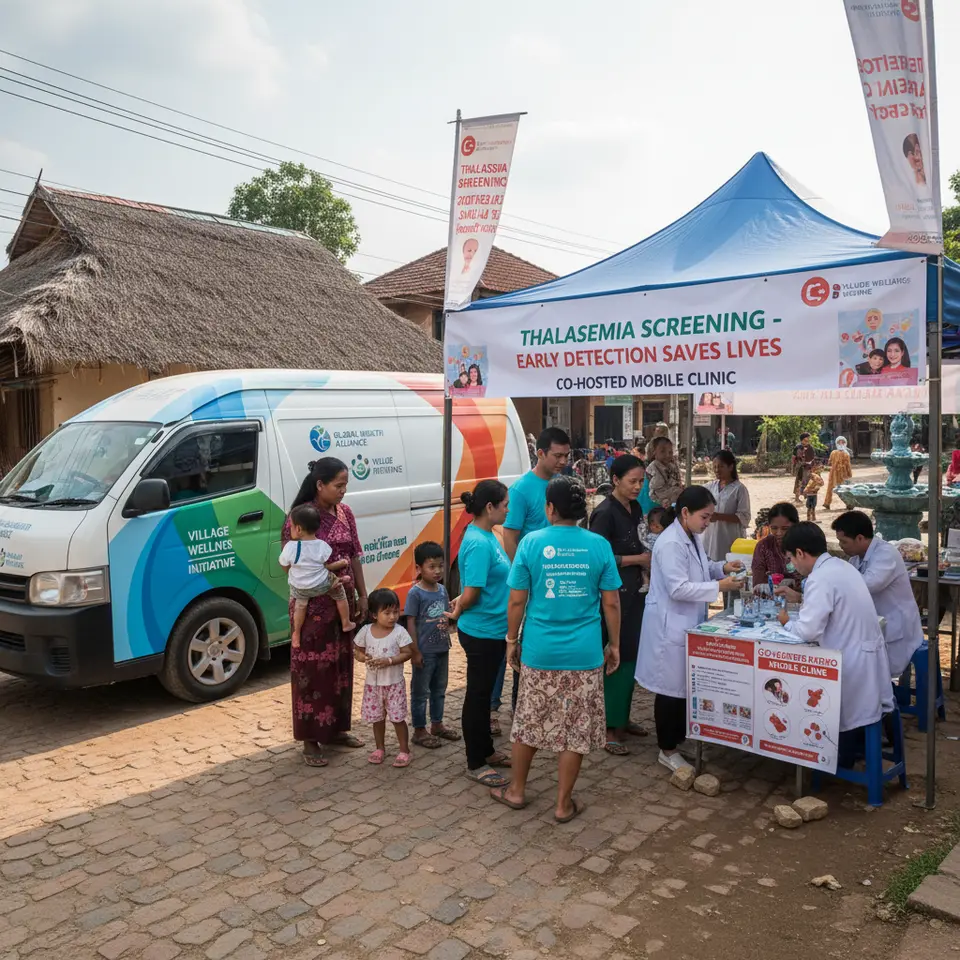
- Mobile screening camps in underserved areas
- World Thalassemia Day awareness programs
- Multilingual educational webinars
- Fundraising events and donor engagement drives
- Patient storytelling and expert panel discussions
These initiatives not only raise awareness but also build trust, attract funding, and improve early diagnosis rates in communities.
Overcoming Obstacles in Collaborative Efforts
 Addressing Common Challenges in Thalassemia Partnerships
While thalassemia partnerships offer significant benefits, they also face practical challenges such as limited funding, communication barriers, cultural differences, and regulatory requirements. Addressing these issues proactively ensures smoother collaboration and more sustainable long-term impact.
1. Addressing Limited Funding
One of the most common challenges in thalassemia partnerships is financial limitation. Many organizations operate with restricted budgets, making it difficult to scale programs or maintain consistent outreach. A practical solution is to develop joint grant proposals that highlight shared goals, broader community reach, and measurable outcomes.
Key Funding Strategies:
- Submit collaborative grant applications to governments and NGOs
- Partner with philanthropic foundations and healthcare donors
- Pool financial resources across organizations
- Share costs for events, training, and awareness materials
- Reduce duplication of administrative expenses
By combining financial strength, partners can maximize impact while minimizing individual financial burden.
2. Navigating Communication Gaps
Effective communication is essential for smooth coordination, especially when partners are spread across different regions and time zones. Miscommunication can delay projects or reduce efficiency if not properly managed.
Best Practices for Communication:
- Create a fixed communication calendar with regular updates
- Assign dedicated liaison officers in each organization
- Conduct monthly virtual progress meetings
- Use centralized communication platforms (e.g., Slack, Teams)
- Maintain clear documentation of decisions and actions
Consistent communication ensures alignment and strengthens trust among all stakeholders.
3. Respecting Cultural and Language Differences
Cultural diversity is both a strength and a challenge in thalassemia partnerships. Educational materials and outreach campaigns must be adapted to local languages, beliefs, and literacy levels to ensure effectiveness.
Cultural Adaptation Strategies:
- Hire bilingual staff or translators
- Work with local cultural mediators and community leaders
- Simplify educational content for broader understanding
- Test awareness materials before full deployment
- Use visuals and storytelling for low-literacy audiences
Culturally sensitive communication improves engagement, trust, and participation in health programs.
Communication & Cultural Management Overview
| Challenge | Strategy | Outcome |
|---|---|---|
| Funding limitations | Joint grants & pooled resources | Higher financial efficiency |
| Communication gaps | Scheduled updates & liaison roles | Better coordination |
| Language barriers | Translation & local adaptation | Improved engagement |
| Cultural differences | Community-based messaging | Stronger trust |
4. Ensuring Legal and Regulatory Compliance
Compliance with healthcare laws and data protection regulations is essential in all thalassemia partnerships. Failure to follow legal standards can delay programs and compromise patient trust.
Compliance Measures:
- Engage legal experts during partnership formation
- Draft Memorandums of Understanding (MOUs)
- Establish data-sharing agreements with privacy safeguards
- Follow national and international healthcare regulations
- Ensure ethical approval for research activities
Proper legal planning protects patient confidentiality and ensures smooth execution of collaborative initiatives.
Measuring Success and Ensuring Longevity
 Sustaining effective thalassemia partnerships requires continuous evaluation, transparent reporting, and adaptive planning. Measuring outcomes not only demonstrates impact but also helps improve strategies over time. By tracking both clinical and community-based indicators, organizations can ensure that collaborative efforts remain meaningful, efficient, and patient-centered.
1. Key Performance Metrics for Success
To evaluate the effectiveness of thalassemia partnerships, it is essential to monitor both quantitative and qualitative outcomes. These metrics provide a clear picture of progress and highlight areas for improvement.
Core Metrics Include:
- Number of individuals screened for thalassemia
- Genetic counseling sessions completed
- Patients enrolled in treatment or care programs
- Educational workshops and awareness campaigns conducted
- Blood transfusion access and coverage improvements
- Fundraising totals and resource mobilization
Tracking these indicators consistently helps determine whether partnership goals are being achieved.
2. Patient-Centered Outcome Evaluation
Beyond numbers, it is important to measure the real-life impact on patients and families. This ensures that thalassemia partnerships remain focused on improving quality of life.
Evaluation Methods:
- Patient satisfaction surveys
- Quality-of-life assessments
- Feedback from caregivers and families
- Treatment adherence monitoring
- Emotional and psychological well-being tracking
These insights help refine care programs and ensure they remain relevant and effective.
Impact Measurement Overview
| Category | What to Measure | Purpose |
|---|---|---|
| Clinical Outcomes | Screening, counseling, treatment access | Evaluate healthcare impact |
| Financial Impact | Funding, resource sharing | Assess efficiency |
| Community Outreach | Events, awareness campaigns | Measure engagement |
| Patient Experience | Surveys, feedback | Improve quality of care |
| Policy Influence | Advocacy results | Track systemic change |
3. Transparency and Reporting
Regular reporting is essential for maintaining trust among stakeholders, donors, and the wider community. Publishing structured reports ensures accountability and demonstrates the value of thalassemia partnerships.
Reporting Practices:
- Annual impact reports with clear data visualization
- Infographics summarizing key achievements
- Public dashboards or online updates
- Donor and stakeholder briefings
- Case studies highlighting patient success stories
Transparency strengthens credibility and encourages continued funding and collaboration.
4. Maintaining Long-Term Sustainability
For thalassemia partnerships to remain effective over time, continuous engagement and strategic refinement are necessary. Regular review cycles ensure that programs evolve with changing needs.
Sustainability Strategies:
- Conduct quarterly strategy review meetings
- Update goals based on new medical or community data
- Incorporate feedback from patients and partners
- Celebrate milestones and achievements
- Adjust resource allocation as needed
These practices help maintain momentum and prevent stagnation in long-term initiatives.
By uniting under the banner of Thalassemia affiliate partnerships, healthcare providers, researchers, advocacy groups, and community organizations can deliver more comprehensive care and support than ever before. Today’s collaborative networks optimize resources, expand outreach, and drive innovation in diagnostics, treatment, and patient counseling. Seizing opportunities in today’s digital landscape is key to sustaining progress. Through clear goal setting, diverse representation, effective communication, and rigorous impact measurement, affiliates can overcome obstacles and ensure long-term success. In the end, a coordinated approach elevates awareness, influences policy, and—most importantly—improves the lives of individuals and families affected by Thalassemia. Begin by reaching out to potential allies in your region, establishing a partnership charter, and taking collective action for change.