
Thalassemia outreach focuses on improving awareness, education, and early diagnosis through community programs. These strategies strengthen public engagement, support patients and families, and enhance healthcare collaboration for better long-term outcomes and improved quality of life.
Understanding the Foundations of thalassemia outreach
Effective thalassemia outreach begins with a clear understanding of the community’s needs, knowledge gaps, and healthcare access challenges. A structured, evidence-based approach ensures that awareness programs are relevant, targeted, and impactful.
To build a strong foundation, organizations must first assess local awareness levels, identify at-risk populations, and evaluate existing healthcare services. This helps ensure that outreach efforts are not generic, but tailored to real community needs.
Key Elements of a Strong Foundation
1. Community Awareness Assessment
Understanding how much people already know about thalassemia helps identify misconceptions and education gaps.
2. Healthcare Access Evaluation
Analyze availability of screening centers, blood banks, and specialist care facilities.
3. Risk Group Identification
Focus on populations with higher genetic risk through demographic and regional data analysis.
4. Collaboration with Local Institutions
Engage hospitals, schools, and NGOs to strengthen outreach impact and trust.
Foundation Planning Overview
| Area | Focus | Outcome |
|---|---|---|
| Awareness Level | Public knowledge gaps | Targeted education |
| Healthcare Access | Clinics & screening centers | Improved service delivery |
| Risk Analysis | High-risk populations | Early detection |
| Partnerships | Local organizations | Stronger outreach network |
Building a Strategic Approach
 A successful thalassemia outreach program requires more than awareness—it needs structure and planning.
Best Practices:
- Use data-driven decision-making
- Design culturally appropriate education materials
- Combine digital and community-based outreach
- Continuously evaluate program effectiveness
- Adapt strategies based on feedback and results
Conducting a Comprehensive Needs Assessment
Before launching any thalassemia outreach initiative, it is essential to assess the population you aim to serve. This helps identify awareness levels, treatment barriers, and cultural misconceptions.
Key Actions:
- Distribute online and paper-based surveys to measure awareness levels
- Assess access to diagnosis, treatment, and screening services
- Analyze demographic and risk-group data with research institutions
- Identify regional prevalence patterns using trusted sources
For example, the Centers for Disease Control and Prevention provides reliable data on thalassemia screening and prevalence, helping strengthen evidence-based thalassemia outreach programs.
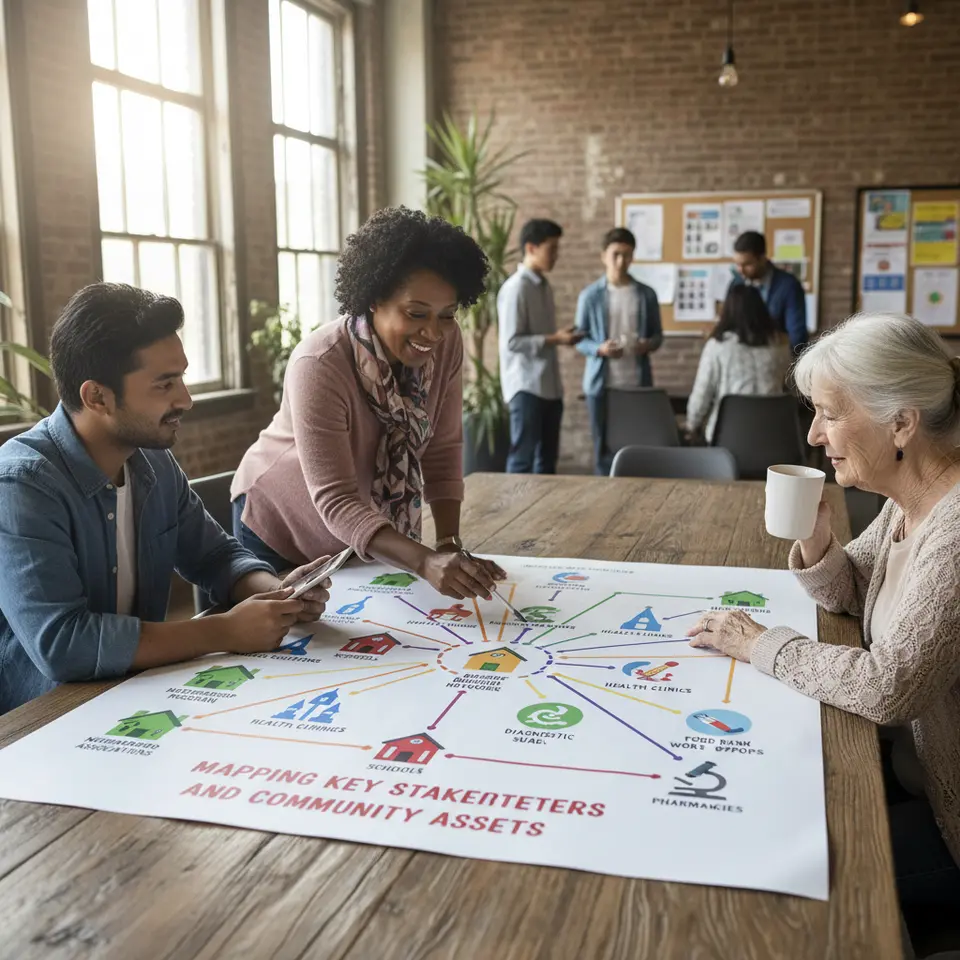
Mapping Key Stakeholders and Community Assets
Successful thalassemia outreach depends on collaboration with local stakeholders and existing community structures.
Important Stakeholders:
- Schools and educational institutions
- Religious and community leaders
- Local clinics and hospitals
- Diagnostic laboratories and pharmacies
- Patient support organizations
Key Steps:
- Identify service gaps in current healthcare systems
- Build partnerships with trusted local institutions
- Engage community leaders in planning and communication
- Develop culturally appropriate outreach strategies
Mapping these assets ensures that thalassemia outreach programs are targeted, efficient, and community-driven.
Crafting Resonant Messaging
Clear and culturally sensitive communication is a cornerstone of effective thalassemia outreach. Messaging should address myths, improve understanding, and encourage action.
Best Practices:
- Use simple, easy-to-understand language
- Address common misconceptions about thalassemia
- Share patient stories and testimonials
- Use infographics and short educational videos
- Include clear calls to action for screening and counseling
Consistent messaging across all platforms helps strengthen recognition and improves engagement in thalassemia outreach campaigns.
Establishing Strategic Local Partnerships
 Effective thalassemia outreach depends on strong institutional partnerships and sustainable funding models. By collaborating with healthcare providers, academic institutions, media, and corporate organizations, programs can expand their reach, improve credibility, and ensure long-term impact in community health initiatives.
Formal Agreements with Healthcare Providers
Healthcare partnerships are the backbone of successful thalassemia outreach programs. Hospitals, clinics, and laboratories provide clinical expertise and infrastructure support.
Key Actions:
- Establish Memoranda of Understanding (MOUs)
- Define shared responsibilities and service goals
- Organize free screening camps and health seminars
- Collaborate with hematologists for expert-led awareness sessions
- Follow WHO guidelines for genetic screening programs
These agreements ensure that thalassemia outreach activities are structured, credible, and medically accurate.
Healthcare Collaboration Framework
| Partner Type | Role | Outcome |
|---|---|---|
| Hospitals | Clinical services & specialists | Improved diagnosis and treatment |
| Clinics | Local access points | Wider community reach |
| Laboratories | Testing support | Faster screening results |
| WHO Guidelines | Standard framework | Evidence-based outreach |
Engaging Academic and Research Institutions
Universities play a vital role in strengthening thalassemia outreach through research, innovation, and volunteer support.
Key Contributions:
- Student volunteer participation in outreach programs
- Data collection and field research support
- Public health training and awareness campaigns
- Joint studies on treatment adherence and communication strategies
- Co-authored research publications
Benefits:
- Improved program credibility
- Access to funding opportunities
- Innovation in outreach strategies
- Stronger academic-community linkages
Collaborating with Media and Corporate Entities
Media and corporate partnerships significantly amplify the reach of thalassemia outreach initiatives.
Media Strategies:
- Publish patient stories and expert interviews
- Share campaign updates through radio, print, and online platforms
- Promote awareness days and screening events
Corporate Engagement:
- Cause marketing campaigns
- Employee volunteer programs
- Matching donation initiatives
- Sponsorship of awareness materials and events
Corporate & Media Engagement Overview
| Partner Type | Contribution | Impact |
|---|---|---|
| Media | Awareness campaigns | Public education |
| Corporates | Funding & CSR support | Financial sustainability |
| Small Businesses | Local engagement | Community participation |
| Influencers | Digital outreach | Wider visibility |
 Sustainable funding is essential for long-term thalassemia outreach success. A diversified financial strategy reduces dependency on single sources.
Key Approaches:
- Organize charity runs, walkathons, and cycling events
- Launch peer-to-peer crowdfunding campaigns
- Apply for government and private grants
- Partner with CSR-driven corporate initiatives
- Use storytelling and digital media for donor engagement
These approaches ensure continuous support for outreach programs and community services.
Funding Strategy Comparison
| Funding Method | Strength | Use Case |
|---|---|---|
| Crowdfunding | Fast engagement | Specific projects |
| Grants | Large-scale support | Research & programs |
| CSR Funding | Corporate backing | Long-term initiatives |
| Events | Community involvement | Awareness + fundraising |
Recruiting, Training, and Retaining Volunteers
A successful thalassemia outreach program depends heavily on dedicated volunteers who drive awareness, support patients, and strengthen community engagement. Effective recruitment, training, and retention strategies ensure long-term commitment and program sustainability.
Effective Volunteer Recruitment
Attracting the right volunteers is the first step in building a strong support system for thalassemia outreach initiatives.
Key Strategies:
- Promote volunteer opportunities on social media platforms
- Use college campuses, community boards, and youth organizations
- Clearly define roles such as event coordinators, social media ambassadors, and patient support assistants
- Specify required skills and time commitments
- Highlight personal growth, leadership, and networking benefits
Volunteer Role Breakdown
| Role | Responsibility | Benefit |
|---|---|---|
| Event Coordinator | Organize outreach events | Leadership experience |
| Social Media Ambassador | Promote campaigns online | Digital marketing skills |
| Patient Liaison | Support families & patients | Communication experience |
| Fundraising Assistant | Support donation drives | Organizational skills |
Comprehensive Orientation Programs
A structured onboarding process helps volunteers understand their responsibilities and align with the mission of thalassemia outreach.
Key Components:
- Introductory sessions on thalassemia basics
- Overview of organizational goals and values
- Safety guidelines and code of conduct training
- Distribution of printed or digital handbooks
- Mentor pairing with experienced volunteers
This ensures volunteers feel confident and well-prepared from the start.
Ongoing Training and Skill Development
Continuous learning strengthens volunteer performance and improves the overall effectiveness of thalassemia outreach programs.
Training Modules:
- Communication and public speaking skills
- Data collection and reporting methods
- Basic first-aid awareness
- Confidentiality and ethical guidelines
- Community engagement strategies
Delivery Methods:
- E-learning platforms for flexible access
- Live webinars with healthcare professionals
- In-person workshops and training sessions
- Certification upon completion of modules
Volunteer Development Framework
| Training Area | Purpose | Outcome |
|---|---|---|
| Communication | Improve outreach messaging | Better engagement |
| Data Handling | Ensure accurate reporting | Reliable insights |
| First Aid Basics | Emergency readiness | Safer events |
| Ethics Training | Protect patient data | Trust & compliance |
Recognizing and Retaining Supporters
Volunteer retention is essential for maintaining continuity and strength in thalassemia outreach efforts.
Retention Strategies:
- Send personalized thank-you messages
- Feature volunteers on social media platforms
- Host appreciation events and award ceremonies
- Provide certificates of recognition
- Offer branded merchandise or milestone rewards
- Collect regular feedback for program improvement
Acknowledging contributions helps build loyalty and long-term engagement.
Leveraging Digital Channels for Maximum Reach in Thalassemia Outreach
 A strong thalassemia outreach strategy relies heavily on digital communication to educate, engage, and mobilize communities. By using structured content planning, multimedia storytelling, live interactions, and targeted email campaigns, organizations can significantly expand their awareness and impact.
Developing a Strategic Content Calendar
A well-organized content calendar ensures consistency and helps maintain audience engagement across all digital platforms.
Key Practices:
- Plan monthly themes such as screening awareness, patient stories, and blood donation education
- Align posts with global health days and local community events
- Schedule content across Facebook, Instagram, Twitter, and LinkedIn
- Maintain consistency in messaging and branding
- Use analytics to refine future content strategies
A structured calendar strengthens visibility and improves long-term thalassemia outreach performance.
Visual Storytelling and Multimedia Assets
Visual content simplifies complex medical information and makes thalassemia outreach more accessible to wider audiences.
Effective Content Types:
- Short educational videos explaining thalassemia basics
- Infographics on screening, prevention, and care
- Interactive quizzes for community engagement
- Patient testimonials and real-life success stories
- Mobile-friendly visual formats for better reach
Best Practices:
- Use simple language and clear visuals
- Include accessibility-friendly alt text
- Optimize content for mobile devices
- Maintain consistent branding across all visuals
Multimedia Engagement Overview
| Content Type | Purpose | Impact |
|---|---|---|
| Videos | Education & awareness | High engagement |
| Infographics | Simplify data | Easy understanding |
| Testimonials | Emotional connection | Increased trust |
| Quizzes | Interactive learning | Better participation |
Hosting Live Online Events
Live digital events allow real-time interaction, making thalassemia outreach more engaging and community-focused.
Key Activities:
- Facebook and Instagram Live Q&A sessions
- Expert webinars with hematologists and counselors
- Virtual discussions on treatment and screening
- Live awareness campaigns during health observances
- Recording and repurposing sessions for future use
These events help build trust and provide direct access to expert knowledge.
Email Newsletters with Clear Calls to Action
Email marketing is a powerful tool for maintaining ongoing communication in thalassemia outreach programs.
Best Practices:
- Segment audiences (patients, donors, volunteers, partners)
- Share monthly updates, success stories, and events
- Provide educational resources and health tips
- Include clear CTAs such as register, donate, or volunteer
- Track open rates and engagement for optimization
Example CTAs:
- Register for screening
- Join volunteer programs
- Donate to support care initiatives
- Share awareness campaigns
Email Campaign Performance Table
| Segment | Content Focus | Goal |
|---|---|---|
| Patients | Education & care updates | Better self-management |
| Donors | Impact stories | Increased donations |
| Volunteers | Opportunities | Higher participation |
| Partners | Collaboration updates | Stronger engagement |
Today, a proactive approach to Thalassemia community outreach is essential for affiliates aiming to deliver meaningful support and education. By conducting data-driven needs assessments, forging local partnerships, diversifying funding sources, empowering volunteers, and harnessing digital platforms, your organization can create a robust framework that maximizes impact. Continuously monitor key metrics—attendance figures, fundraising totals, volunteer engagement rates, and online analytics—to refine strategies and demonstrate value to stakeholders. In today’s interconnected world, every tweet, every workshop, and every community conversation contributes to a broader movement of awareness and care. Embrace these tactics diligently, and your affiliate will be well positioned to strengthen community bonds, mobilize critical resources, and uplift the lives of those affected by Thalassemia in meaningful, long-lasting ways.