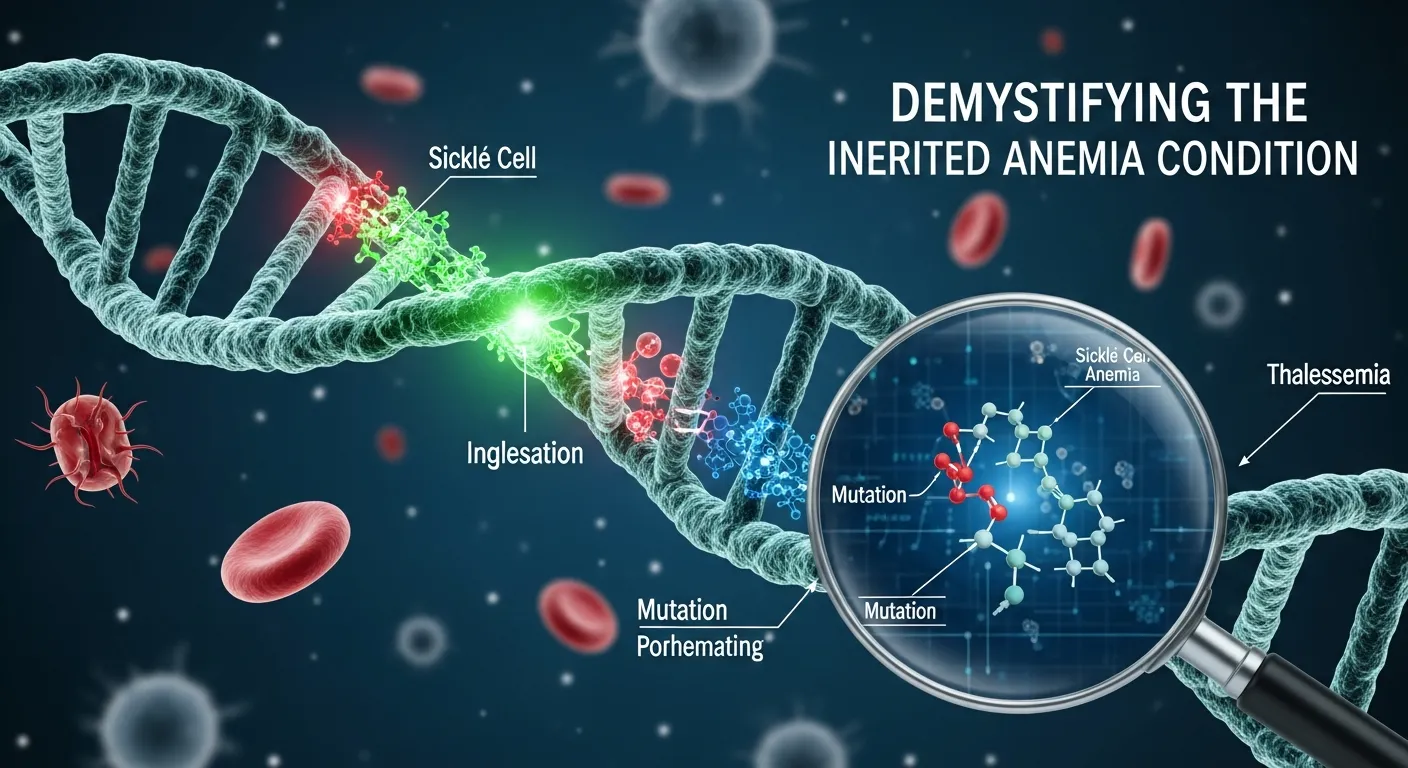
The inherited anemia condition refers to a group of genetic blood disorders that reduce healthy red blood cell production or function. It leads to fatigue, weakness, and other complications, requiring proper diagnosis, management, and long-term medical care.
An Inherited Anemia Condition is a genetic blood disorder passed from parents to children that affects the production, function, or lifespan of red blood cells. Common types include Thalassemia and Sickle Cell Anemia. Management typically involves blood transfusions, iron chelation therapy, and emerging genetic treatments to help patients maintain healthy oxygen levels.
Receiving a medical diagnosis related to your blood can feel overwhelming. When that diagnosis involves genetic factors passed down through generations, families often have many questions about what the future holds. Understanding the science behind an Inherited Anemia Condition is the first critical step toward proactive health management and peace of mind.
Blood is a complex tissue that sustains life by transporting oxygen, fighting infections, and preventing excessive bleeding. When a genetic mutation disrupts the delicate balance of red blood cell production, it can lead to an Inherited Anemia Condition. These conditions range widely in severity. Some people carry genetic traits without ever experiencing symptoms, while others face severe health challenges that require lifelong medical care.
This comprehensive guide breaks down everything you need to know about navigating an Inherited Anemia Condition. You will learn how these genetic blood disorders are passed down, the early warning signs to watch for, and the diagnostic tests doctors use to confirm a diagnosis. We will also explore current treatment options and the promising future of gene therapy, providing you with the knowledge to make informed healthcare decisions.
What exactly is an Inherited Anemia Condition and how does it develop?
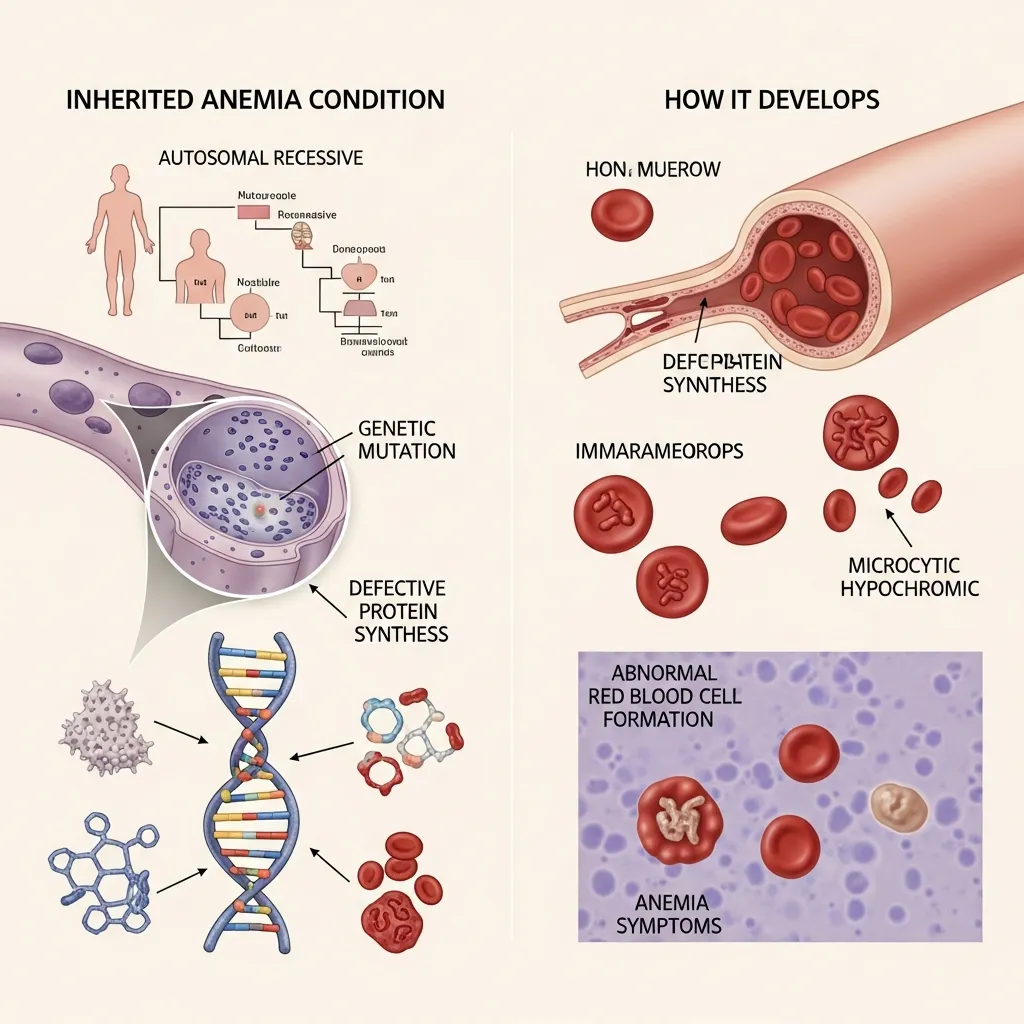 An Inherited Anemia Condition is a medical disorder passed from parents to their children through DNA. These disorders occur when specific genes responsible for creating red blood cells or hemoglobin contain mutations. Hemoglobin is the essential protein inside red blood cells that grabs oxygen from the lungs and delivers it to tissues throughout the body.
Because these genetic instructions are embedded in your DNA, you are born with the condition. An Inherited Anemia Condition typically disrupts the body’s ability to produce enough healthy red blood cells, leading to a chronic lack of oxygen in the bloodstream. According to the World Health Organization (WHO), millions of people worldwide carry genetic mutations that affect their blood, making awareness and early detection vital.
How is an Inherited Anemia Condition passed down through families?
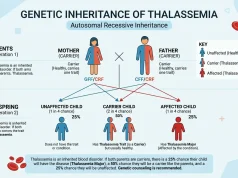
Understanding how an Inherited Anemia Condition transfers from one generation to the next requires a brief look at human genetics. Most of these conditions follow an autosomal recessive inheritance pattern.
This inheritance pattern means a child must inherit a mutated gene from both parents to develop the severe form of the disease. If a child inherits the mutated gene from only one parent, they become a carrier. Carriers often live completely normal, healthy lives but hold the potential to pass the mutated gene on to their future children. When both parents are carriers, there is a 25% chance with each pregnancy that the child will be born with a severe Inherited Anemia Condition.
For families seeking a deeper understanding of these genetic pathways, reviewing a Comprehensive Guide to Every Genetic Blood Disorder can provide valuable context on inheritance risks and family planning.
What are the different types of Inherited Anemia Conditions?
While there are many variations, medical professionals generally categorize an Inherited Anemia Condition based on the specific protein or cell structure affected by the genetic mutation.
What is Thalassemia and how does it affect the body?
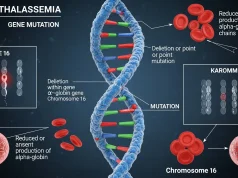
Thalassemia is a prominent Inherited Anemia Condition that affects the body’s ability to produce normal hemoglobin. Without sufficient hemoglobin, red blood cells break down prematurely, leading to chronic anemia. Thalassemia is broadly divided into alpha-thalassemia and beta-thalassemia, depending on which part of the hemoglobin protein is missing.
Severe variations of this condition require intensive medical care. For instance, Understanding Hemoglobin Barts is crucial for expectant parents, as it represents the most severe form of alpha-thalassemia and can lead to life-threatening complications before birth.
How does Sickle Cell Anemia impact daily management?
Sickle Cell Anemia is another widespread Inherited Anemia Condition. This genetic mutation causes red blood cells to become rigid and shaped like a crescent or “sickle.” These abnormally shaped cells easily get stuck in small blood vessels, which blocks blood flow and prevents oxygen from reaching tissues. This blockage causes severe pain crises, organ damage, and an increased risk of serious infections. Managing this Inherited Anemia Condition requires strict hydration, pain management strategies, and specialized medical supervision.
What are other genetic anemias like Hereditary Spherocytosis and G6PD Deficiency?
Beyond Thalassemia and Sickle Cell, other forms of an Inherited Anemia Condition include Hereditary Spherocytosis and G6PD Deficiency. Hereditary Spherocytosis causes red blood cells to be sphere-shaped rather than disk-shaped, making them fragile and prone to breaking down in the spleen. G6PD Deficiency involves a missing enzyme that protects red blood cells from damage. People with G6PD Deficiency usually remain healthy unless exposed to specific triggers, such as certain medications or foods like fava beans, which cause their red blood cells to rupture rapidly.
What are the early symptoms and diagnostic tests for this condition?
 Recognizing the symptoms of an Inherited Anemia Condition early allows healthcare providers to intervene before severe complications develop. Because symptoms vary wildly depending on the specific genetic mutation, careful observation is necessary.
What are the early warning signs of an Inherited Anemia Condition?
If an Inherited Anemia Condition affects red blood cell production, anemia is the most common result. Early warning signs include profound fatigue, generalized weakness, and pale or yellowish skin. Infants may show signs of poor growth or delayed development. People often mistake these subtle signs for simple exhaustion. For example, learning to navigate Alpha Thalassemia Trait Symptoms helps individuals differentiate between a mild Inherited Anemia Condition and common dietary iron deficiency.
How do doctors use diagnostic tests and genetic screening?
Accurate diagnosis forms the foundation of managing any Inherited Anemia Condition. Doctors rarely rely on symptoms alone. The diagnostic process usually begins with a Complete Blood Count (CBC) to measure the size, number, and maturity of blood cells.
If the CBC reveals abnormalities, doctors order a hemoglobin electrophoresis. This test separates the different types of hemoglobin in the blood, helping to pinpoint the exact Inherited Anemia Condition. To achieve a definitive diagnosis, medical professionals use targeted DNA analysis. The Centers for Disease Control and Prevention (CDC) strongly recommends genetic testing to map a patient’s exact chromosomal profile, eliminating guesswork.
How can you live well with an Inherited Anemia Condition?
Historically, a severe Inherited Anemia Condition offered a poor prognosis. Today, rapid advancements in hematology have transformed these conditions into manageable chronic illnesses.
What are the current and emerging treatment options?
For a severe Inherited Anemia Condition, regular blood transfusions are the primary treatment. These transfusions supply the patient with healthy, oxygen-rich red blood cells. However, frequent transfusions cause iron to build up in the body. To prevent toxic iron overload from damaging the heart and liver, patients must undergo iron chelation therapy to flush the excess iron from their system. Currently, a bone marrow transplant remains the only established cure for many severe types of this disorder.
How does lifestyle management improve supportive care?
Managing an Inherited Anemia Condition requires meticulous planning. Patients must balance regular hospital visits and daily medications while striving to maintain a normal lifestyle. Staying well-hydrated, eating a nutrient-rich diet, and avoiding known triggers (like extreme temperatures for Sickle Cell patients) play a massive role in reducing hospital admissions.
What is the psychological and social impact of this condition?
Living with a chronic Inherited Anemia Condition takes a significant emotional toll. Patients and families often experience anxiety regarding medical treatments and the unpredictable nature of the disease. Connecting with patient advocacy groups provides essential emotional support. Engaging in Digital Advocacy for Thalassemia and other blood disorders allows individuals to share resources, raise public awareness, and find comfort among people who truly understand their journey.
What are the future advancements in research for this condition?
The scientific community is actively exploring innovative ways to treat every Inherited Anemia Condition, offering hope for safer and more accessible cures in the near future.
How will gene therapy and cures change patient outcomes?
Gene therapy represents the most exciting frontier for treating an Inherited Anemia Condition. Unlike a traditional stem cell transplant, which requires a matched donor, gene therapy uses the patient’s own stem cells. Scientists extract these cells, insert functional copies of the missing or mutated genes, and infuse the corrected cells back into the patient. Early clinical trials show immense promise, pointing toward a future where patients are cured using their own biology.
Why are precision medicine approaches important?
Precision medicine tailors treatment plans to the exact genetic profile of the individual. Rather than a one-size-fits-all approach, doctors can analyze a patient’s specific Inherited Anemia Condition mutation to predict which medications will be most effective and which side effects are most likely to occur. This targeted approach reduces unnecessary treatments and improves overall quality of life.
What role does genetic counseling play for families?
Genetic counseling is an indispensable resource for families affected by an Inherited Anemia Condition. Counselors help prospective parents understand their carrier status and the exact statistical risks of passing the condition to their children. They provide clear, unbiased information about prenatal screening options, enabling families to make empowered, informed reproductive decisions.
Empowering Individuals with an Inherited Anemia Condition
 An Inherited Anemia Condition presents undeniable medical challenges, from the complexities of lifelong blood transfusions to the daily management of a chronic illness. Yet, the narrative surrounding these genetic blood disorders is rapidly changing.
Advancements in prenatal screening allow families to prepare and explore early interventions. Improved transfusion protocols and iron chelation therapies are extending life expectancies and enhancing the quality of life for patients globally. With the horizon of gene therapy drawing closer, there is genuine hope for a universal cure for every Inherited Anemia Condition. Knowledge is your most powerful tool. By understanding the genetic risks and working closely with specialized medical teams, families can navigate these complexities with proactive care and comprehensive support.
Conclusion
An Inherited Anemia Condition is a lifelong genetic blood disorder that affects the body’s ability to produce healthy red blood cells. Early diagnosis, regular monitoring, and appropriate medical treatment play a crucial role in managing symptoms and preventing complications. While it cannot always be fully cured, advancements in medical care have significantly improved quality of life and long-term outcomes for affected individuals.
Frequently Asked Questions (FAQ)
1. What is the typical cost of treating an Inherited Anemia Condition?
The cost of managing an Inherited Anemia Condition varies widely based on geographic location, insurance coverage, and disease severity. Patients requiring lifelong blood transfusions and daily iron chelation therapy face significant ongoing healthcare expenses, though assistance programs and specialized health insurance can help offset these costs.
2. How long does it take to diagnose an Inherited Anemia Condition?
A preliminary diagnosis of an Inherited Anemia Condition can often be made within a few days using a Complete Blood Count (CBC) and hemoglobin electrophoresis. However, confirmatory genetic testing to identify the exact mutation may take several weeks to process in a specialized laboratory.
3. What are the main risks of living with an Inherited Anemia Condition?
The primary risks associated with a severe Inherited Anemia Condition include chronic oxygen deprivation, organ damage from iron overload (due to frequent blood transfusions), and an increased susceptibility to severe infections. Regular medical monitoring is required to mitigate these risks.
4. Are there any dietary alternatives to medical treatment for this condition?
No dietary changes or natural supplements can cure or replace medical treatment for a severe Inherited Anemia Condition. While a balanced diet supports general health, genetic blood disorders require clinical interventions like transfusions or medications to correct the fundamental lack of healthy red blood cells.
5. Who is most at risk for developing an Inherited Anemia Condition?
Individuals whose parents both carry genetic mutations for blood disorders are at the highest risk of being born with a severe Inherited Anemia Condition. These traits are most prevalent in populations tracing their ancestry to regions where malaria was historically common, including the Mediterranean, Africa, the Middle East, and Southeast Asia.
6. What are the common symptoms of an Inherited Anemia Condition?
Common symptoms include persistent fatigue, pale skin, dizziness, shortness of breath, rapid heartbeat, and poor growth in children due to reduced oxygen delivery in the body.
7. Can an Inherited Anemia Condition be cured?
Some severe forms may be treated with bone marrow or stem cell transplantation, which can offer a potential cure. However, most cases require lifelong management rather than a complete cure.
8. How is an Inherited Anemia Condition detected early in children?
It is often detected through newborn screening, routine blood tests like CBC, and genetic testing if there is a known family history of blood disorders.
9. What lifestyle changes help manage an Inherited Anemia Condition?
Patients are advised to maintain a balanced diet, avoid excessive physical strain, attend regular medical checkups, and follow prescribed treatments such as transfusions or medications.
10. Can an Inherited Anemia Condition affect life expectancy?
Yes, in severe untreated cases it can reduce life expectancy. However, with modern medical care and proper management, many patients can live longer and healthier lives.