
Alpha Thalassemia Trait Symptoms Safely refers to the mild and usually harmless symptoms experienced by individuals carrying the alpha thalassemia trait. Most people have no noticeable symptoms, while some may show mild anemia signs such as fatigue, pale skin, or slightly reduced hemoglobin levels. The condition is generally not dangerous and does not usually require treatment, but understanding the symptoms is important for proper diagnosis, genetic awareness, and family planning.
Learning you carry a genetic blood disorder can feel overwhelming at first. You might wonder how it will affect your daily routine, your energy levels, and your future family planning. Fortunately, understanding the specifics of your condition provides clarity and peace of mind.
Alpha thalassemia trait is a remarkably common genetic variation that alters how your body produces hemoglobin. Hemoglobin is the crucial protein inside your red blood cells responsible for carrying oxygen from your lungs to your tissues. When your body produces less of this protein, your red blood cells become slightly smaller and paler than usual.
For the vast majority of people, carrying this specific genetic trait goes entirely unnoticed. They live full, active lives without requiring any medical intervention. However, some individuals do experience subtle signs that prompt a visit to their doctor. Knowing what to look out for helps you manage your health proactively and avoid unnecessary medical treatments.
This comprehensive guide explains everything you need to know about alpha thalassemia trait symptoms. You will learn the genetic causes behind the condition, how doctors accurately diagnose it, and the steps you can take to maintain your well-being. We will also cover the vital role of genetic counseling for couples planning to have children.
What is Alpha Thalassemia?
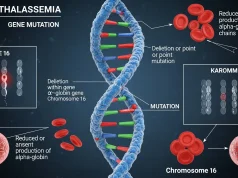
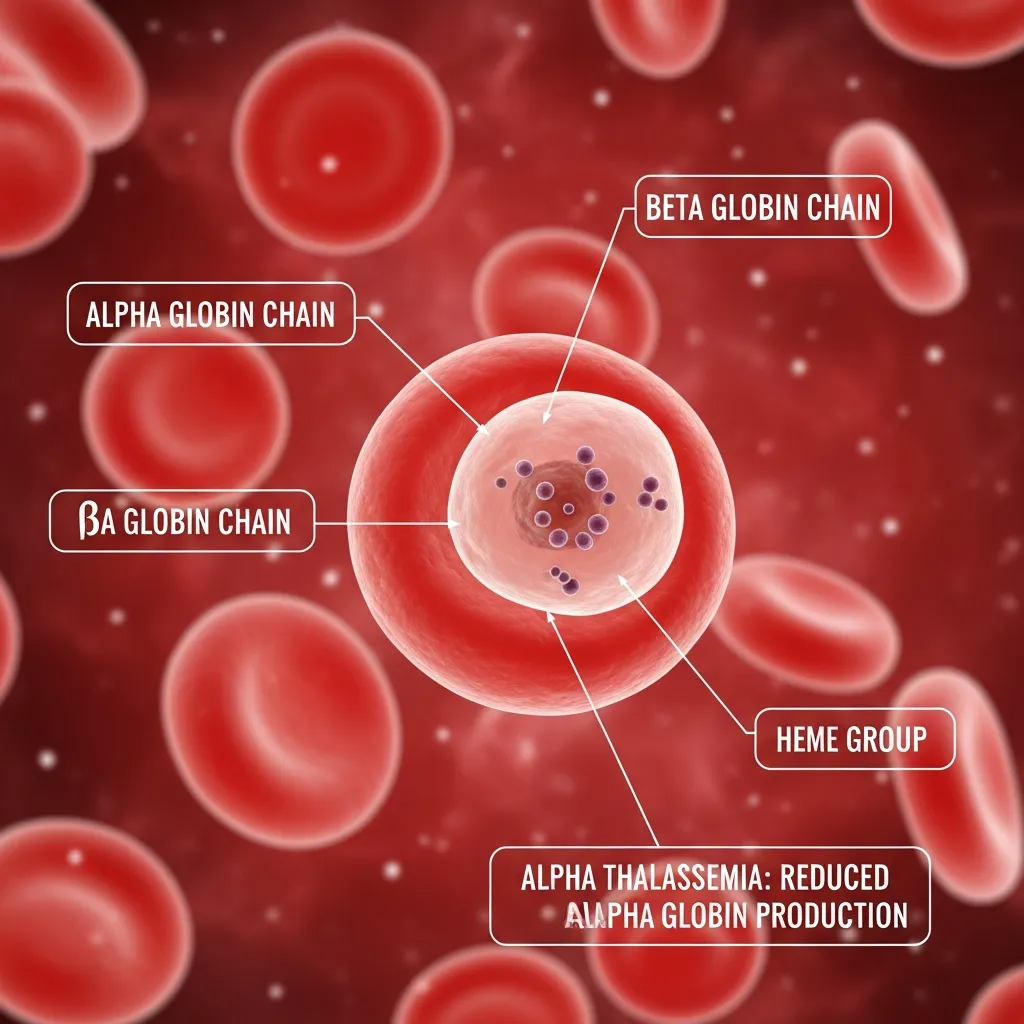 To understand how this condition affects the body, we must look at our DNA. The instructions for building the alpha-globin part of hemoglobin are located on chromosome 16. Every person inherits four alpha-globin genes in total—two from their mother and two from their father.
Alpha thalassemia occurs when one or more of these four genes are missing or mutated. The severity of the condition depends directly on how many genes are affected. If only one gene is missing, the person is a “silent carrier” and has completely normal blood tests. The alpha thalassemia trait happens when exactly two out of the four genes are missing. This specific genetic pattern slightly reduces hemoglobin production but leaves the body with enough working genes to function well.
This genetic variation is found worldwide, but it is particularly common in specific geographical areas. It is highly prevalent among populations in Southeast Asia, the Middle East, Africa, and the Mediterranean. Historically, carrying this specific gene mutation offered individuals a slight natural resistance to severe malaria. Because of this survival advantage, the trait became widespread across tropical and subtropical regions over thousands of years.
Understanding Alpha Thalassemia Trait Symptoms
Because individuals with this trait still have two fully functioning alpha-globin genes, their bodies compensate remarkably well. Most people are entirely asymptomatic. They often only discover they carry the trait when routine blood work shows minor abnormalities.
When alpha thalassemia trait symptoms do appear, they are usually mild. The most common manifestation is a very mild form of anemia. Because the body produces less hemoglobin, the red blood cells become smaller (microcytic) and paler (hypochromic) than normal. While the cells are smaller, the body typically produces enough of them to keep oxygen flowing adequately.
Fatigue and Weakness
The most frequently reported symptom is mild fatigue. When your blood carries slightly less oxygen to your muscles and tissues, you might feel a bit more tired than usual. This fatigue can become more noticeable during periods of intense physical exertion, high stress, or inadequate sleep. Many people simply attribute this tiredness to a busy lifestyle rather than an underlying blood condition.
Pale Skin (Pallor)
Because hemoglobin gives blood its rich red color, a reduction in this protein can cause the skin to look slightly pale. This pallor might be most noticeable in the face, the lining of the lower eyelids, or the nail beds. It is usually a very subtle change that happens gradually.
Rare Physical Signs
In very rare cases, individuals might experience mild jaundice, which is a slight yellowing of the skin or the whites of the eyes. This happens when fragile red blood cells break down slightly faster than normal, releasing a yellow pigment called bilirubin. Another uncommon symptom is splenomegaly, or a slightly enlarged spleen. The spleen works to filter out old or damaged red blood cells, and the extra workload can occasionally cause it to increase in size.
Distinguishing the Trait from Other Anemias
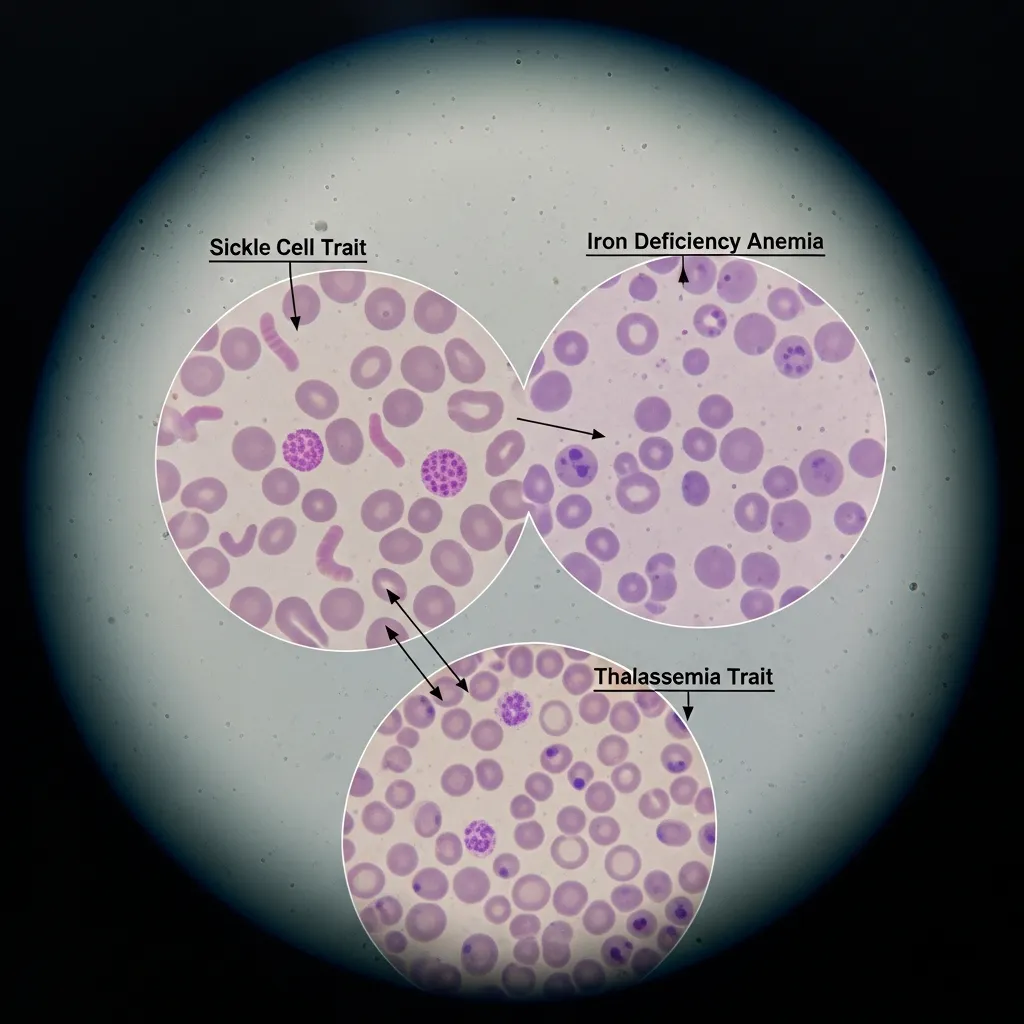 One of the biggest challenges in managing this condition is ensuring an accurate diagnosis. Because the symptoms are so subtle and the red blood cells are small, doctors can easily confuse the trait with other blood disorders.
Iron Deficiency Anemia
Iron deficiency is the most common cause of microcytic anemia worldwide. When a doctor sees small, pale red blood cells on a lab report, they often suspect low iron levels first. However, prescribing iron supplements to someone with thalassemia will not fix their anemia. In fact, taking unnecessary iron over long periods can cause the mineral to build up dangerously in the organs. A careful doctor will always order specific tests to measure your body’s iron stores before recommending supplements.
Beta Thalassemia Trait
While alpha thalassemia affects the alpha-globin genes, a different mutation affects the beta-globin genes. Comparing alpha vs beta thalassemia reveals that both traits cause similar mild anemia and small red blood cells. The distinction is crucial for family planning, as the two different traits affect different gene clusters and carry different inheritance risks for future children.
Other Microcytic Anemias
There are other rare causes of small red blood cells, such as sideroblastic anemia or lead poisoning. A thorough medical evaluation is necessary to rule out these conditions and confirm a genetic diagnosis.
Diagnosis of Alpha Thalassemia Trait
Accurate diagnostic testing prevents unnecessary worry and incorrect treatments. Doctors use a combination of standard blood work and specialized tests to map your genetic profile.
Complete Blood Count (CBC) and Blood Film
The diagnostic process almost always begins with a Complete Blood Count (CBC). This test measures the size, number, and maturity of your blood cells. A person with the trait typically shows a normal or slightly low hemoglobin level, accompanied by a low Mean Corpuscular Volume (MCV), which indicates the cells are small. A blood film examination under a microscope will visually confirm these small, pale cells. You can read more about standard CBC procedures on the Mayo Clinic website.
Hemoglobin Electrophoresis
This laboratory test separates the different types of hemoglobin in the blood. It is highly effective for diagnosing beta thalassemia. However, for adults with the alpha trait, the electrophoresis results often look completely normal. Therefore, doctors cannot rely on this test alone to rule out the condition.
Genetic Testing
The absolute definitive way to diagnose the condition is through DNA analysis. Genetic testing looks directly at your chromosomes to count exactly how many alpha-globin genes are missing or mutated. This test eliminates all guesswork and provides a clear, undeniable diagnosis.
Prenatal Diagnosis
For expectant parents who know they are carriers, doctors can perform prenatal testing to check the baby’s genetic status. Procedures like chorionic villus sampling (CVS) or amniocentesis allow medical teams to analyze the fetus’s DNA early in the pregnancy.
 Receiving a genetic diagnosis such as alpha thalassemia trait can feel concerning at first, but in reality, it is one of the most manageable inherited blood conditions. The condition is stable throughout life and does not progress or become more severe with age. Understanding alpha thalassemia trait symptoms safely helps reduce unnecessary worry and ensures proper long-term health awareness.
While the trait itself is benign, certain situations require careful monitoring to prevent complications.
Iron Overload
As mentioned earlier, the greatest risk for individuals with the trait is being misdiagnosed with iron deficiency. Taking high-dose iron supplements for years when your body does not need them leads to iron toxicity. Excess iron deposits in the liver, heart, and pancreas, potentially causing severe organ damage over time. Always request a ferritin test to check your actual iron levels before starting supplements.
Pregnancy Complications
During a normal pregnancy, a woman’s blood volume naturally expands to support the growing baby, which typically causes a slight drop in hemoglobin. For women with the trait, this natural drop can make their baseline mild anemia slightly more pronounced. Obstetricians will monitor blood counts closely throughout the trimesters to ensure the mother’s energy levels remain stable and the baby develops properly.
Increased Risk for Offspring
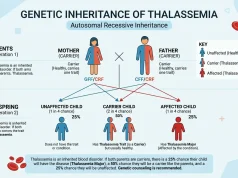
The primary concern associated with carrying the trait is the possibility of passing on a more severe form of the disease. If both parents are missing two alpha-globin genes, they risk passing on zero functional genes to their baby. This results in a fatal condition called hydrops fetalis.
Additionally, depending on the exact genetic combination inherited from both parents, there is an increased risk of more severe thalassemia in offspring, such as Hemoglobin H disease. This condition causes moderate to severe anemia and requires lifelong medical care. The World Health Organization emphasizes the importance of carrier screening to help couples understand these exact risks before pregnancy.
 Carrying the alpha thalassemia trait is simply a unique detail of your genetic blueprint. It does not shorten your lifespan, limit your physical capabilities, or require demanding medical treatments. By understanding alpha thalassemia trait symptoms safely, you empower yourself to make informed and confident decisions about your health.