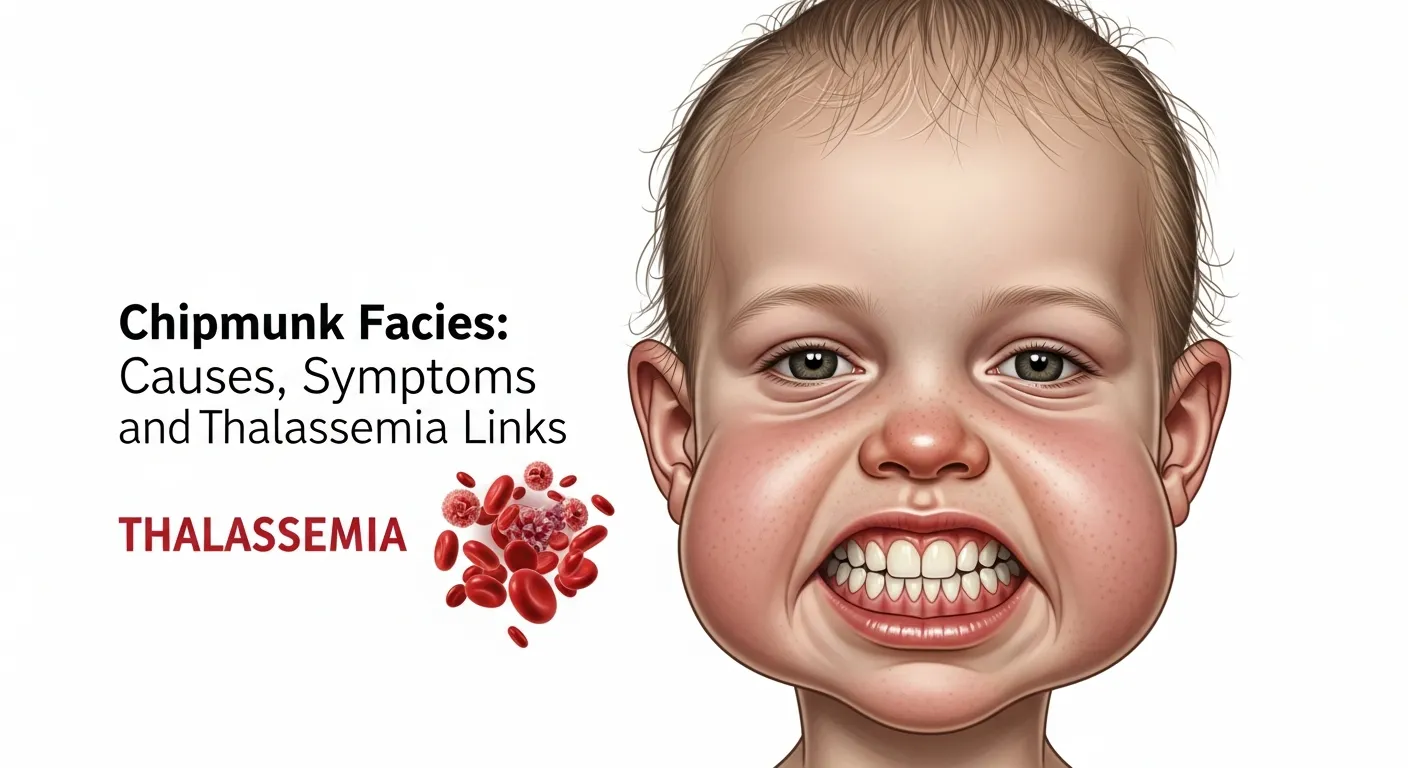
Chipmunk facies is a facial deformity often seen in severe thalassemia, caused by bone marrow expansion in the facial bones. It leads to prominent cheekbones and jaw changes due to chronic anemia and increased blood cell production.
Understanding Thalassemia
To comprehend why the facial bones change shape, we first need to understand the underlying blood disorder driving the process. Thalassemia is a genetic condition that directly impacts the body’s ability to produce hemoglobin. Hemoglobin is the vital protein inside red blood cells responsible for carrying oxygen from the lungs to the rest of the body.
What is Thalassemia?
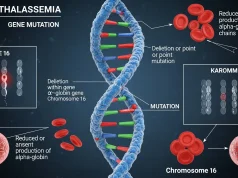
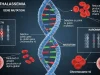
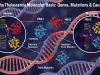
Thalassemia occurs when there is a mutation or deletion in the genes that control hemoglobin production. Hemoglobin is made up of two main types of protein chains: alpha and beta. Depending on which gene is affected, a person can develop either alpha thalassemia or beta thalassemia. For instance, understanding the alpha thalassemia trait is crucial for families, as inheriting missing alpha-globin genes from both parents can lead to severe anemia.
Beta thalassemia major, often called Cooley’s Anemia, is the most severe form of the disease. People with this condition cannot produce enough beta-globin, leading to a drastic shortage of mature, healthy red blood cells. This condition is globally prevalent, particularly affecting populations in the Mediterranean, Middle East, Africa, and Southeast Asia.
How Thalassemia Affects the Body
The primary consequence of thalassemia is severe, chronic anemia. Because the red blood cells are fragile and die prematurely, the body constantly struggles with oxygen deprivation. This lack of oxygen triggers a cascade of systemic reactions.
To survive, the body tries to compensate by absorbing as much iron as possible from the diet. Furthermore, patients with severe thalassemia require frequent blood transfusions to stay alive, which introduces even more iron into the bloodstream. This leads to a dangerous condition known as iron overload. Without medication to remove it, excess iron builds up in the heart, liver, and endocrine glands, causing life-threatening organ damage.
At the same time, the severe lack of oxygen forces the body’s bone marrow into overdrive. This desperate attempt to create more red blood cells is the primary catalyst for the skeletal changes seen in these patients.
The Development of Chipmunk Facies
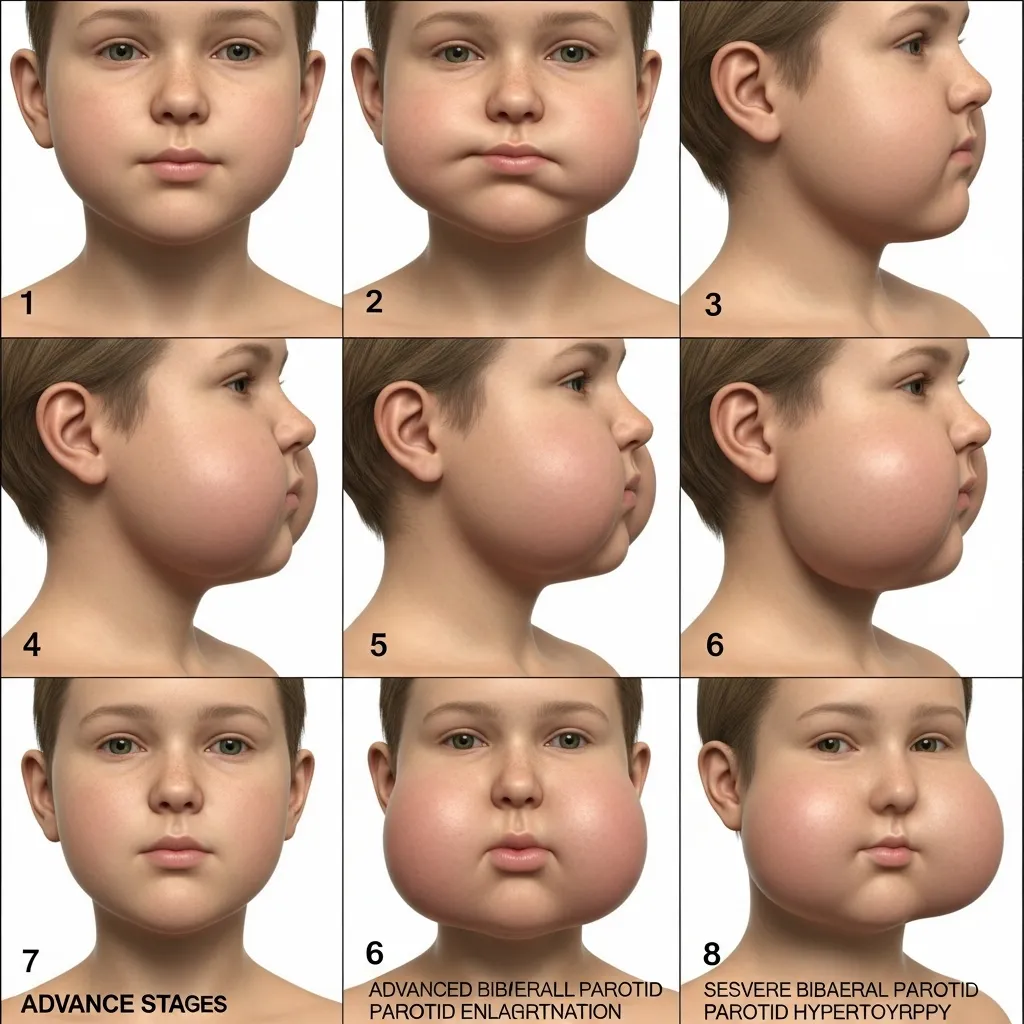 The unique facial structure associated with severe thalassemia is a direct mechanical result of the body trying to heal its own anemia. The process begins deep inside the bones and eventually alters the outward appearance of the face.
Bone Marrow Hyperplasia
Bone marrow is the spongy tissue inside your bones where new blood cells are manufactured. In a healthy person, red blood cell production (erythropoiesis) is a steady, balanced process. In a person with severe thalassemia, the body senses a massive shortage of oxygen. The kidneys release a hormone called erythropoietin, which essentially screams at the bone marrow to produce more red blood cells.
Because the genetic blueprint for hemoglobin is flawed, the marrow produces millions of defective red blood cells that quickly break down. The bone marrow keeps trying harder, expanding rapidly to hold more blood-producing tissue. This massive expansion of the marrow is called bone marrow hyperplasia.
Craniofacial Bone Changes
As the bone marrow expands to up to 30 times its normal volume, it needs more space. The marrow physically pushes against the hard outer layer of the bones (the cortical bone). This constant outward pressure causes the cortical bone to stretch, thin out, and become brittle.
While this expansion happens in bones throughout the body, the bones of the skull and face are particularly susceptible. The marrow spaces within the facial bones widen significantly, physically altering the shape of the skull and the face over time.
A Detailed Look at the Facial Features
The term chipmunk facies specifically describes the resulting craniofacial changes. As the marrow spaces expand, several distinct features emerge:
- Prominent cheekbones: The maxillary bones (upper jaw and cheek areas) expand outward, creating a swollen appearance in the cheeks.
- Flattened nasal bridge: The expansion of the surrounding facial bones pulls and flattens the area between the eyes.
- Protruding upper jaw and malocclusion: The upper jaw pushes forward, causing the upper teeth to protrude significantly. This prevents the upper and lower teeth from meeting correctly, a condition known as malocclusion.
- Widened facial bones: The overall structure of the face broadens, giving a wider appearance to the skull.
- Ocular hypertelorism: The distance between the eyes increases as the bones of the nasal and orbital regions expand.
Clinical Manifestations and Diagnosis
Detecting these bone changes early is vital for preventing permanent deformity. Doctors rely on a combination of physical examinations, patient history, and advanced imaging to diagnose and monitor the condition.
Recognizing the Signs
Healthcare providers can often recognize the onset of facial bone expansion through a simple visual inspection. During routine checkups, pediatricians and hematologists look for the subtle widening of the cheekbones and changes in dental alignment.
A thorough patient history provides vital context. A child already diagnosed with thalassemia major who has not received adequate blood transfusions is at a very high risk for developing these skeletal deformities. The presence of these facial changes usually indicates that the underlying anemia is severe and that current treatments are not sufficiently suppressing the overactive bone marrow.
Diagnostic Tools
To confirm the extent of the bone marrow expansion, doctors use several diagnostic tests:
- Skull X-rays: A classic radiological sign of severe thalassemia is the “hair-on-end” appearance on a skull X-ray. As the marrow expands, it creates vertical striations in the skull bone that look like stiff hairs standing straight up.
- CT Scans and MRIs: These advanced imaging techniques provide a highly detailed, three-dimensional view of the craniofacial bones. They help surgeons and orthodontists measure the exact degree of bone thinning and jaw protrusion.
- Blood Tests: Hemoglobin electrophoresis and complete blood counts (CBC) confirm the specific type and severity of the thalassemia driving the bone changes.
Impact of Chipmunk Facies
 The expansion of facial bones does much more than alter a person’s appearance. It causes significant physical complications and carries a heavy psychological burden.
Physical Implications
The structural changes in the skull and face can interfere with basic physiological functions. The overgrowth of the maxillary bones can obstruct the nasal passages, leading to chronic sinus issues, breathing difficulties, and sleep apnea.
In severe cases, the expanding bones can compress the optic nerves, leading to vision problems or even permanent sight damage. Furthermore, the protruding upper jaw severely disrupts dental health. The misalignment of the teeth makes chewing difficult, increases the risk of tooth decay, and often requires extensive orthodontic intervention.
Psychological and Social Impact
The psychological impact of facial deformities cannot be overstated. Children and teenagers living with these visible differences often face severe body image concerns. They may experience bullying, social stigma, and isolation from their peers.
The combination of managing a chronic, life-threatening blood disorder and dealing with prominent facial differences significantly impacts a patient’s overall quality of life. Chronic anxiety and depression are common, making psychological support a mandatory component of their overall healthcare plan.
Management and Treatment Strategies
Treating chipmunk facies requires a two-pronged approach: managing the underlying thalassemia to stop the bone marrow from expanding, and surgically or orthodontically correcting the bone changes that have already occurred.
Primary Thalassemia Management
The most effective way to prevent or halt facial bone expansion is to treat the anemia effectively.
- Regular Blood Transfusions: By providing the body with healthy red blood cells, transfusions deliver the oxygen the body desperately needs. This signals the kidneys to stop producing erythropoietin, which in turn “turns off” the overactive bone marrow. When the marrow shrinks back to a normal size, the pressure on the facial bones decreases.
- Iron Chelation Therapy: Because frequent transfusions cause toxic iron buildup, patients must take medication to remove excess iron. Managing iron levels is critical for maintaining the health of the endocrine glands, which control the hormones necessary for normal bone growth and puberty.
Specific Interventions for Facial Changes
If the facial bones have already expanded significantly, medical teams must intervene to correct the physical structure.
- Craniofacial Surgery: Maxillofacial surgeons can perform procedures like a Le Fort osteotomy. During this surgery, the doctor carefully cuts and repositions the upper jaw to align it properly with the lower jaw. Timing is critical; surgeons usually wait until a child has finished growing before performing major reconstructive surgery.
- Orthodontic Treatment: Braces and specialized dental appliances are used to correct malocclusion. Orthodontists work closely with surgeons to push the protruding teeth back into place, improving both the patient’s bite and their facial aesthetics.
Emerging Therapies and Future Directions
The future of thalassemia treatment looks highly promising. Gene therapy aims to correct the defective hemoglobin genes by inserting functional copies into the patient’s own stem cells. Stem cell transplantation (bone marrow transplant) is currently the only known cure, replacing the defective marrow with healthy marrow from a matched donor. As these therapies become safer and more accessible, the incidence of severe bone deformities will likely decrease drastically.
Living with Thalassemia and Chipmunk Facies
Managing a complex genetic disorder requires a lifelong commitment to specialized medical care and community support.
Comprehensive Care Approach
Patients require a multidisciplinary team to thrive. A hematologist manages the transfusions and chelation therapy. An endocrinologist monitors growth hormones and bone health. Maxillofacial surgeons and orthodontists handle the facial and dental structures. Finally, psychologists provide essential mental health support to help patients navigate the emotional challenges of chronic illness. Regular monitoring ensures that any complications are caught and treated early.
Patient Support and Advocacy
Support groups play a vital role in patient care. Connecting with others who face similar health challenges reduces feelings of isolation. Advocacy organizations also fund critical research and provide educational resources to families. For extensive resources on living with this condition and finding patient support networks, you can visit the Cooley’s Anemia Foundation, which is dedicated to serving people afflicted with various forms of thalassemia.
Prevention and Early Intervention
 The best way to manage severe bone changes is to prevent them from happening in the first place through early detection and proactive medical care.
Genetic Counseling and Screening
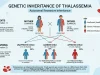
Because thalassemia is an inherited condition, genetic counseling is highly recommended for couples who are at risk. A simple blood test can determine if individuals carry the genetic trait. This is especially important for people with Mediterranean, Middle Eastern, or Asian ancestry. By understanding their genetic status, couples can make informed family planning decisions. For general information on genetic blood disorders and public health screening initiatives, the Centers for Disease Control and Prevention (CDC) provides excellent guidelines.
Early Diagnosis and Treatment
When a child is diagnosed with severe thalassemia shortly after birth, doctors can implement a regular transfusion schedule immediately. By preventing the bone marrow from ever reaching a state of extreme hyperactivity, the severe skeletal changes associated with chipmunk facies can be almost entirely avoided.