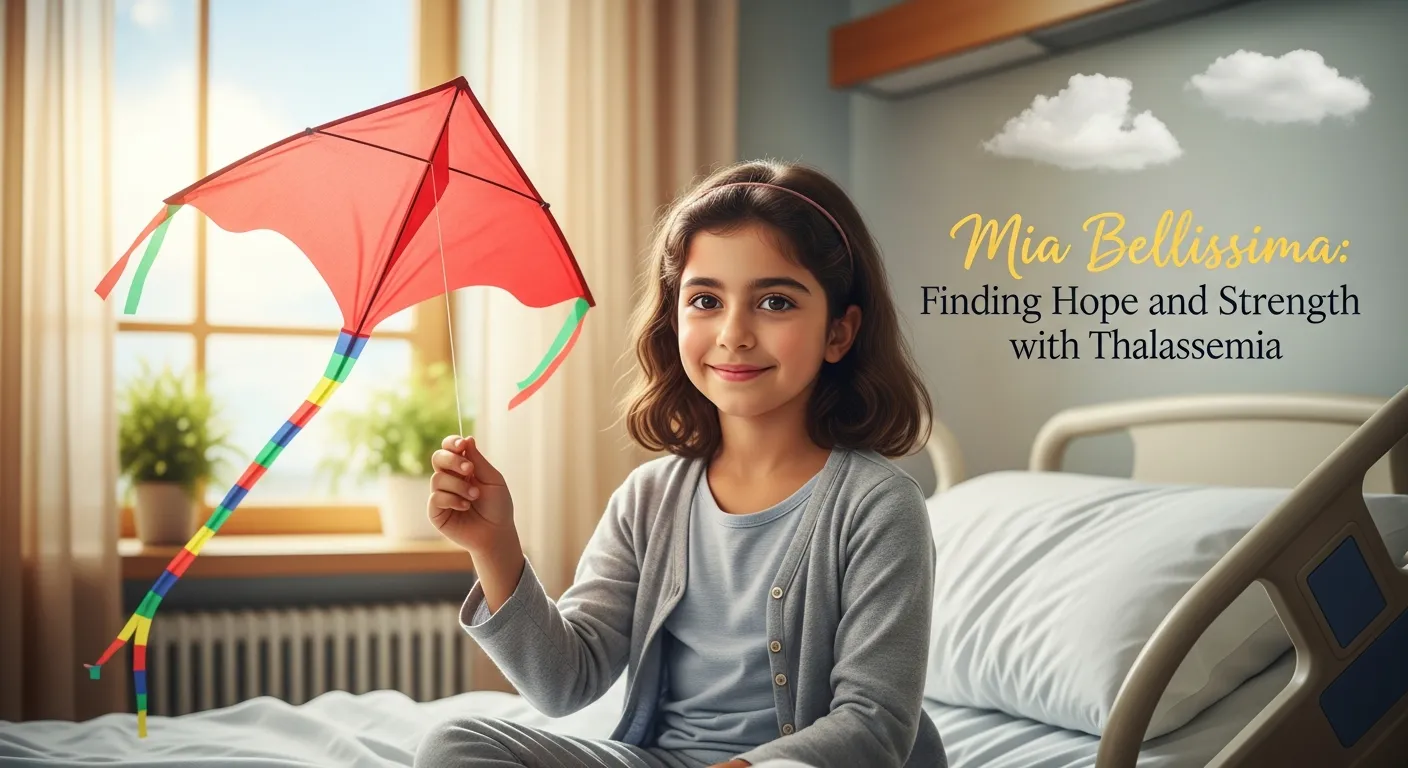
Mia Bellissima is an Italian romantic phrase meaning “my very beautiful” or “my beautiful one.” It is often used to express deep affection, admiration, and love in a poetic way, commonly found in songs, literature, and romantic expressions.
To truly understand the journey of those affected, we must first look at the condition from a global perspective. Thalassemia is not an isolated issue; it is one of the most common inherited blood disorders worldwide.
What is Thalassemia?
Thalassemia is a genetic blood disorder that affects the body’s ability to produce hemoglobin. Hemoglobin is the vital protein found in red blood cells that carries oxygen from the lungs to the rest of the body. When the body cannot produce enough of this protein, red blood cells become fragile and break down prematurely. This constant destruction leads to chronic anemia, depriving the body’s tissues of the oxygen they need to function properly.
Global Prevalence and Significance
This condition appears across all ethnic groups but is particularly prevalent in specific regions. It is highly endemic in the Mediterranean, the Middle East, Southeast Asia, and parts of Africa. Historically, carrying a single thalassemia gene provided a slight protective advantage against malaria, which allowed the genetic trait to spread widely in these tropical and subtropical climates. Today, the World Health Organization estimates that millions of people carry the gene, making it a significant global health priority.
The Emotional and Physical Toll
The physical symptoms of severe thalassemia are demanding. Patients often experience severe fatigue, bone deformities, and delayed growth. However, the emotional toll on individuals and their families is equally profound. Managing a lifelong, demanding medical schedule requires immense mental fortitude. Families must balance routine hospital visits, insurance hurdles, and daily care while striving to maintain a sense of normalcy. Building strong awareness and community support networks is essential for helping these families navigate their lifelong journey.
Understanding Genetics and Types
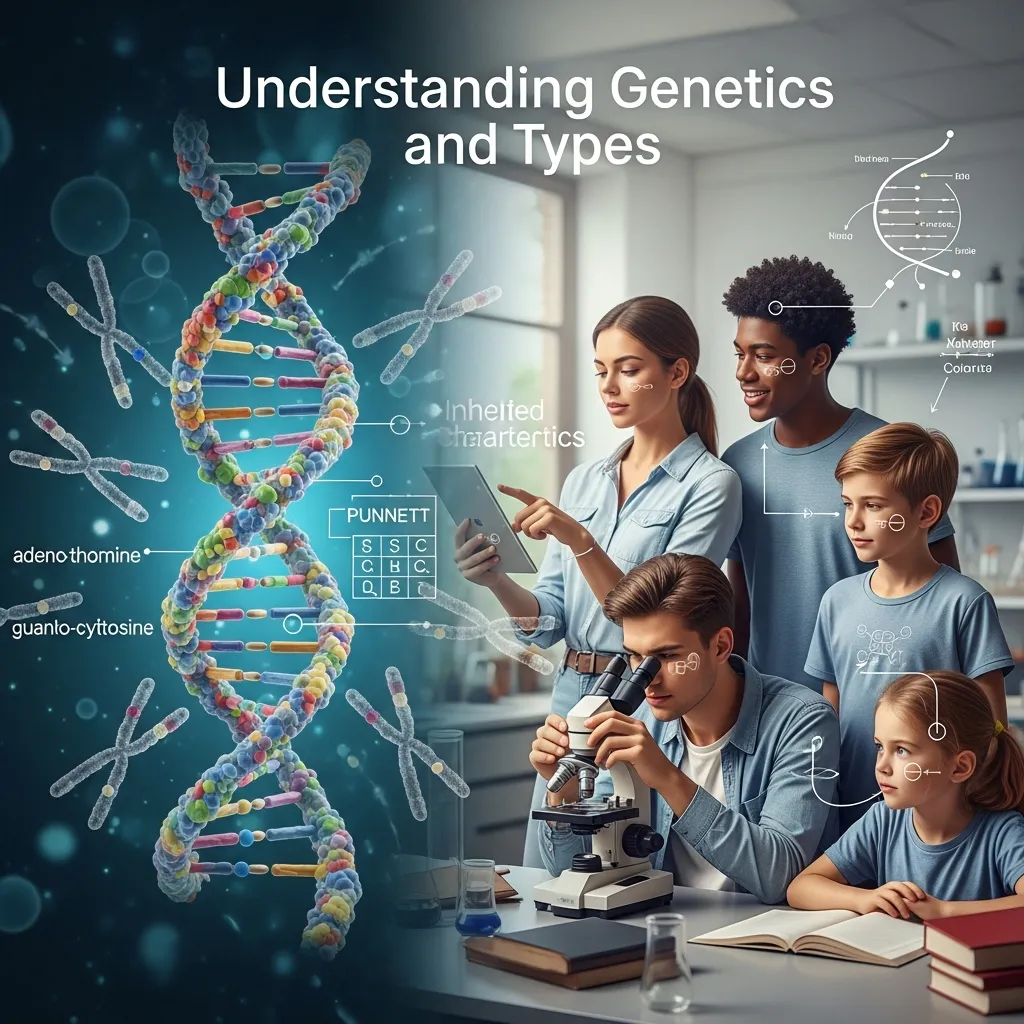 The severity of this blood disorder depends entirely on a person’s unique genetic blueprint. Breaking down the science helps demystify the condition for newly diagnosed patients.
The Genetic Basis: Mutations and Inheritance
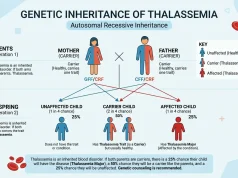
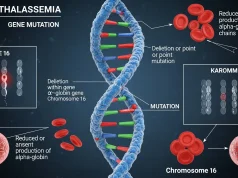
Every person inherits hemoglobin-producing genes from their parents. Thalassemia occurs when there are specific mutations or deletions in these genes. It follows an autosomal recessive inheritance pattern. This means that a child must inherit defective genes from both parents to develop the severe form of the disease. If a child inherits a defective gene from only one parent, they become a carrier. Carriers typically live healthy lives but can pass the gene to their own children.
Alpha-thalassemia and Beta-thalassemia
Hemoglobin is constructed from two main types of protein chains: alpha and beta. The disease is categorized based on which of these chains is affected.
Alpha-thalassemia occurs when the genes responsible for alpha-globin production are missing or mutated. If you want to learn more about the specific inheritance and symptoms of this variation, you can read this comprehensive guide on the alpha thalassemia trait.
Beta-thalassemia happens when the beta-globin genes are altered. Because the alpha and beta variations involve different gene clusters, their clinical presentations and severities can differ significantly.
Major, Intermedia, and Minor Presentations
Doctors further classify the condition based on its clinical severity:
- Thalassemia Minor: Individuals carry the trait but usually show no symptoms or only very mild anemia. They rarely require treatment.
- Thalassemia Intermedia: Patients experience moderate anemia. They might need occasional blood transfusions, especially during periods of stress, illness, or pregnancy.
- Thalassemia Major: Also known as Cooley’s Anemia, this is the most severe form. Patients require lifelong, regular blood transfusions and intensive medical management to survive and thrive.
Diagnosis and Early Intervention
Catching the condition early drastically alters the patient’s long-term health trajectory. Modern medicine offers several tools to identify the disorder before severe symptoms set in.
Screening Methods
Prenatal and newborn screening programs are the first line of defense. In many countries, newborn screening panels automatically test for hemoglobinopathies. For expectant parents with a known family history, prenatal screenings such as chorionic villus sampling (CVS) or amniocentesis can detect the genetic mutations before the baby is born. This allows families to prepare and connect with specialists early.
Diagnostic Tests
When doctors suspect a blood disorder, they rely on specific laboratory tests. A complete blood count (CBC) measures the size and number of red blood cells. Hemoglobin electrophoresis separates the different types of hemoglobin in the blood, helping doctors pinpoint the exact type of thalassemia. Finally, targeted genetic testing provides a definitive map of the missing or mutated genes.
The Critical Role of Early Diagnosis
Early diagnosis prevents the onset of severe, irreversible complications. Infants with the major form usually appear healthy at birth but develop severe anemia within the first two years of life. By implementing a transfusion schedule early, doctors can prevent the bone marrow from expanding dangerously as it tries to overproduce red blood cells. Prompt intervention protects bone structure, supports normal childhood growth, and safeguards internal organs.
Current Treatment Modalities and Advancements
 While living with a severe blood disorder is challenging, medical science continues to push the boundaries of what is possible.
Blood Transfusions and Iron Chelation
The cornerstone of treatment for severe cases is a regular blood transfusion schedule, typically required every two to four weeks. These transfusions supply the body with healthy red blood cells. However, frequent transfusions introduce a new problem: iron overload. The body has no natural way to eliminate excess iron, which builds up and damages the heart and liver. Patients must undergo iron chelation therapy—taking daily medications that bind to the iron and flush it out of the system.
For reliable, up-to-date guidelines on managing transfusions and chelation, patients often turn to the Centers for Disease Control and Prevention (CDC).
Bone Marrow Transplantation
Currently, a bone marrow transplant (also known as a stem cell transplant) is the only established cure. This procedure replaces the defective bone marrow with healthy stem cells from a matched donor, usually a sibling. While it offers a chance at a life free from transfusions, the procedure carries significant medical risks and requires a perfectly matched donor, which is not available for everyone.
Emerging Therapies
The future of hematology is bright. Gene therapy is rapidly transitioning from science fiction to clinical reality. This groundbreaking approach involves extracting a patient’s own stem cells, correcting the defective hemoglobin gene in a laboratory, and infusing the healthy cells back into the patient’s body. Early clinical trials show immense promise, offering hope for a widely accessible cure in the coming decades.
Living with Thalassemia: Challenges and Support
Medical treatments keep the body functioning, but community support nourishes the spirit.
Managing Chronic Illness Daily
Daily life requires meticulous planning. Patients and caregivers must track medication schedules, monitor energy levels, and schedule frequent hospital visits. This level of management can interfere with school attendance, career progression, and social activities. Maintaining a high quality of life involves working closely with a multidisciplinary healthcare team, including endocrinologists, cardiologists, and dietitians.
Psychological and Social Impact
The psychological weight of chronic illness should never be underestimated. Children and teens often struggle with feeling different from their peers due to their medical routines or slight physical differences. Adults face anxieties regarding employment, health insurance, and family planning. Developing healthy coping mechanisms—such as professional counseling, art therapy, or mindfulness practices—is a vital component of holistic care.
The Role of Patient Advocacy Groups
Foundations and patient advocacy groups act as a lifeline for affected families. Organizations like the Cooley’s Anemia Foundation provide educational resources, fund critical medical research, and facilitate peer support networks. Connecting with others who share similar experiences reduces feelings of isolation and empowers patients to advocate for their own healthcare needs.
The Importance of Awareness and Education
 Public knowledge lags far behind medical advancements. Education is the key to bridging this gap.
Raising Public Awareness
Broad public awareness campaigns help dismantle the stigma surrounding genetic disorders. When communities understand that the condition is an inherited biological trait rather than a contagious disease or a curse, social acceptance grows. Awareness also drives blood donation, which is critical since the thalassemia community relies entirely on the generosity of volunteer blood donors to survive.
Educational Initiatives
Healthcare professionals, particularly primary care physicians and obstetricians, need ongoing education to recognize the subtle signs of carrier traits. At-risk communities benefit from targeted educational initiatives that explain the importance of genetic counseling before starting a family. Clear, culturally sensitive communication allows people to make informed reproductive choices.
The Global Effort
Combating this condition requires international collaboration. Developing nations often lack the infrastructure to provide safe blood supplies and affordable chelation medications. Global health organizations are working to share resources, standardize treatment protocols, and subsidize the cost of essential therapies so that geography does not dictate a patient’s survival.