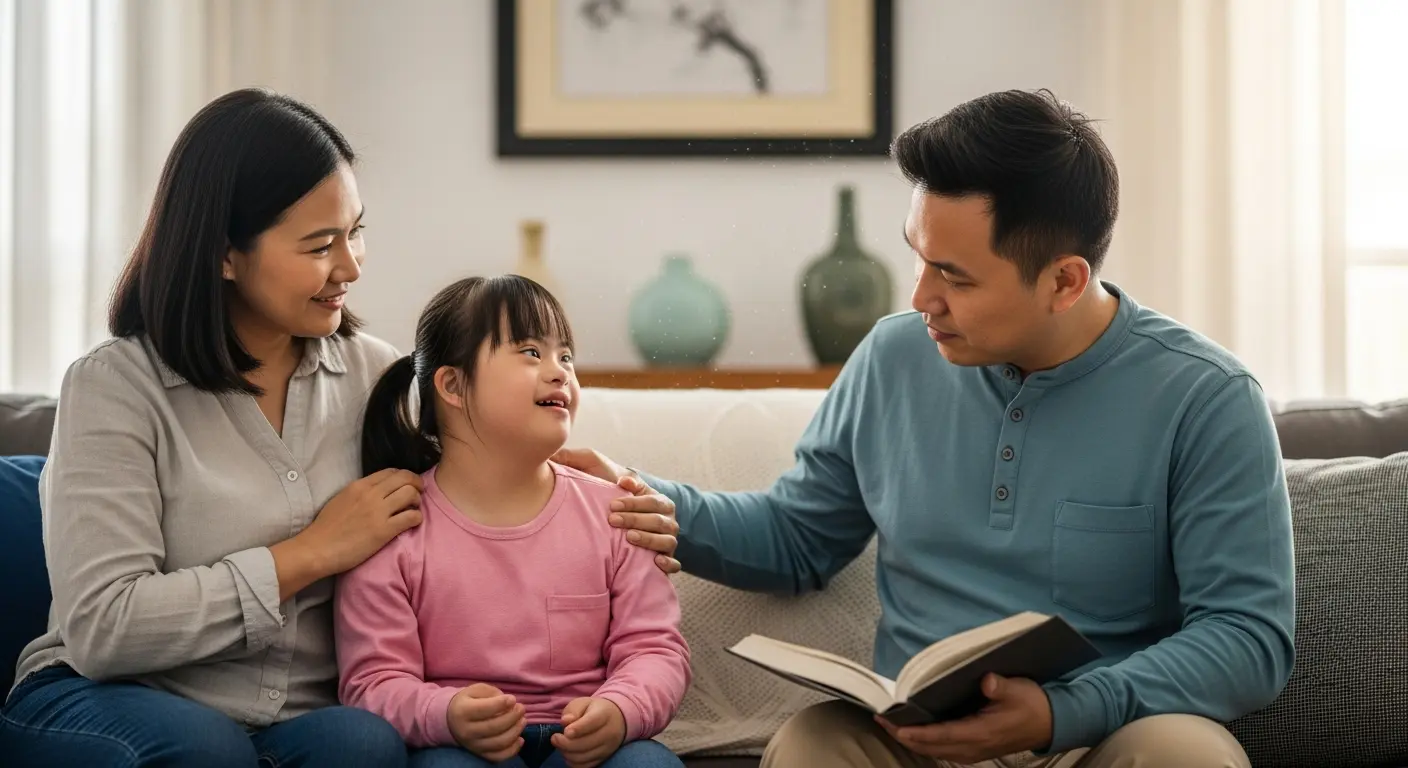
Asian Down Syndrome is a genetic condition found across all ethnic groups, including Asian populations. It occurs when an individual is born with an extra copy of chromosome 21, leading to physical growth differences, intellectual disability, and certain health challenges. The condition is not limited to any specific race or region. Early diagnosis, medical support, and inclusive education play a key role in improving quality of life and helping individuals reach their full potential
The Genetics of Down Syndrome: A Brief Overview
To understand the condition fully, we must first look at the underlying biology. Down syndrome, medically known as Trisomy 21, occurs when an individual has a full or partial extra copy of chromosome 21. This additional genetic material alters the course of development, leading to the physical traits and cognitive delays typically associated with the condition, including what is sometimes referred to as Asian Down Syndrome in regional awareness discussions.
The human body is made up of millions of cells, each containing genes that dictate how we grow and function. Most people inherit 46 chromosomes, receiving 23 from each parent. In cases of Down syndrome, an error in cell division results in 47 chromosomes. This is a random genetic occurrence and is not caused by environmental factors, diet, or specific cultural practices.
There are three types of Down syndrome: Trisomy 21 (accounting for about 95% of cases), Translocation Down syndrome, and Mosaic Down syndrome. Regardless of the specific type, the presence of this extra genetic material affects muscle tone, facial features, and developmental milestones. It is a universal human condition, meaning the biological mechanisms are identical across all global populations, including those discussed under the term Asian Down Syndrome in educational and awareness contexts.
Down Syndrome in Asian Communities: Prevalence and Perspectives
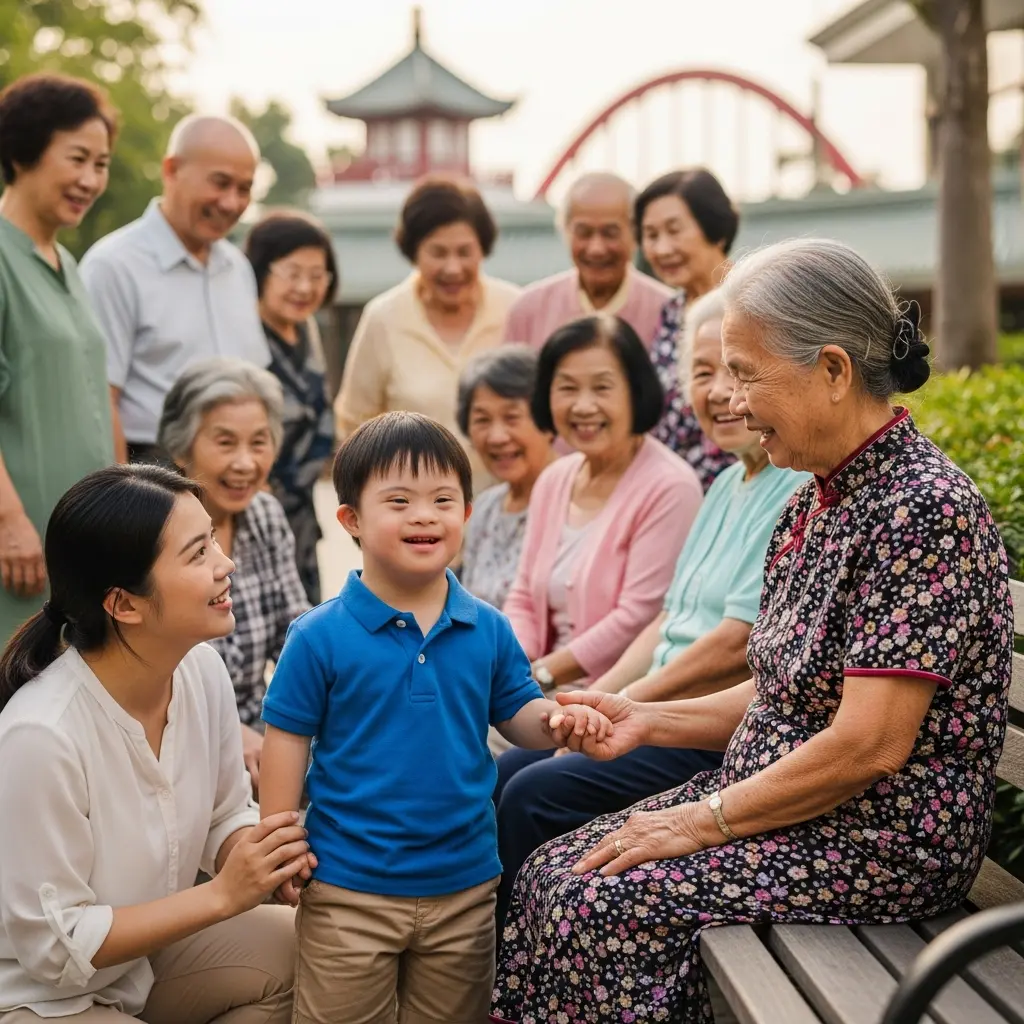 While the genetic cause is universal, understanding Asian Down syndrome requires looking at localized data and regional perspectives. Prevalence rates in Asian countries are generally consistent with global averages, occurring in approximately 1 in every 700 to 1,000 live births. However, exact statistics can sometimes be difficult to pinpoint due to variations in national health registries, diagnostic resources, and reporting practices across different countries.
Maternal age is the primary recognized risk factor for having a child with Down syndrome. As many Asian countries experience rapid urbanization and shifting socioeconomic trends, women are increasingly delaying childbirth to pursue education and career opportunities. This demographic shift naturally leads to a higher incidence of pregnancies at an advanced maternal age, thereby influencing the prevalence of the condition in these regions.
Despite the relatively consistent biological prevalence, the perspective on the diagnosis varies deeply. In some highly competitive societies, a diagnosis of a developmental disability can cause intense anxiety for parents regarding their child’s future independence. Recognizing these specific regional anxieties is crucial for developing effective, culturally sensitive support systems.
Cultural Perceptions and Stigma: Addressing Societal Challenges
Cultural beliefs profoundly influence how families process a Down syndrome diagnosis. Historically, some traditional Asian cultures held superstitious views regarding disabilities. Misconceptions that a child’s disability was the result of bad karma, ancestral misdeeds, or a failure on the mother’s part created environments heavy with shame and secrecy. Families often hid their children from public view to protect their social standing.
Fortunately, rapid globalization and increased access to medical education are breaking down these harmful myths. Younger generations are challenging outdated stigmas, advocating for transparency and acceptance. However, the pressure to conform to strict academic and social standards remains a significant hurdle. In societies that place a premium on conventional academic success, individuals with cognitive delays can easily be marginalized.
Overcoming these societal challenges requires unified community effort. Building support networks often involves navigating collaborative partnerships between local advocacy groups, medical professionals, and educators. When communities work together to dismantle stigma, families feel less isolated, and individuals with Down syndrome receive the social acceptance they deserve.
Early Intervention and Support Systems: Making a Difference
The first few years of life are critical for any child, but they are especially vital for children with Down syndrome. Early intervention programs are designed to address developmental delays proactively. These programs typically include a combination of physical therapy, speech and language therapy, and occupational therapy.
In many developed Asian nations, such as Japan, South Korea, and Singapore, early intervention systems are highly structured and integrated into national healthcare frameworks. Children receive targeted support to improve muscle tone, enhance communication skills, and develop fine motor coordination. This early assistance lays the groundwork for greater independence later in life.
Conversely, in developing regions, access to these crucial services remains sparse. Families living in rural areas often lack access to specialized therapists and must rely on generalized community health workers. Bridging this gap requires significant investment in public health infrastructure and the expansion of mobile health clinics that can bring early intervention resources directly to underserved populations.
Educational Opportunities and Inclusion: Fostering Growth
Education is a fundamental human right, yet the pathway to inclusive schooling for children with Down syndrome in Asia is complex. Historically, the standard approach was segregation, where children with disabilities were placed in specialized institutions entirely separate from their neurotypical peers. While these institutions provided tailored support, they often limited social integration and long-term participation in broader society.
Today, there is a strong push toward inclusive education. Mainstreaming allows children with Down syndrome to attend regular schools, often with the assistance of a shadow teacher or specialized aide. This environment benefits everyone; children with developmental delays learn vital social skills by interacting with their peers, while neurotypical children develop empathy and a practical understanding of human diversity. This shift is especially important in improving awareness around down syndrome in asia and reducing long-standing social stigma.
Inclusive classrooms also help address misunderstandings related to chromosome 21 disorder by normalizing diversity from an early age. When students grow up learning together, it creates a foundation for acceptance and reduces discrimination in adulthood. This is a key step in improving long-term outcomes for individuals with genetic disability condition.
Implementing inclusive education effectively requires systemic change. Teachers need specialized training to modify curriculums and accommodate diverse learning paces, especially when supporting children showing various down syndrome symptoms. Schools must also develop structured support systems, including individualized learning plans and classroom assistants.
Furthermore, institutions must actively promote anti-bullying policies and peer support programs to ensure emotional safety. Encouraging early diagnosis down syndrome awareness among parents and educators can also improve intervention strategies, helping children access support services at the right time.
When educational institutions prioritize genuine inclusion, they empower students with trisomy 21 condition to reach their full academic and personal potential. More importantly, they help build societies that value diversity, equality, and shared growth for all learners.
Healthcare Access and Considerations for Asian Populations
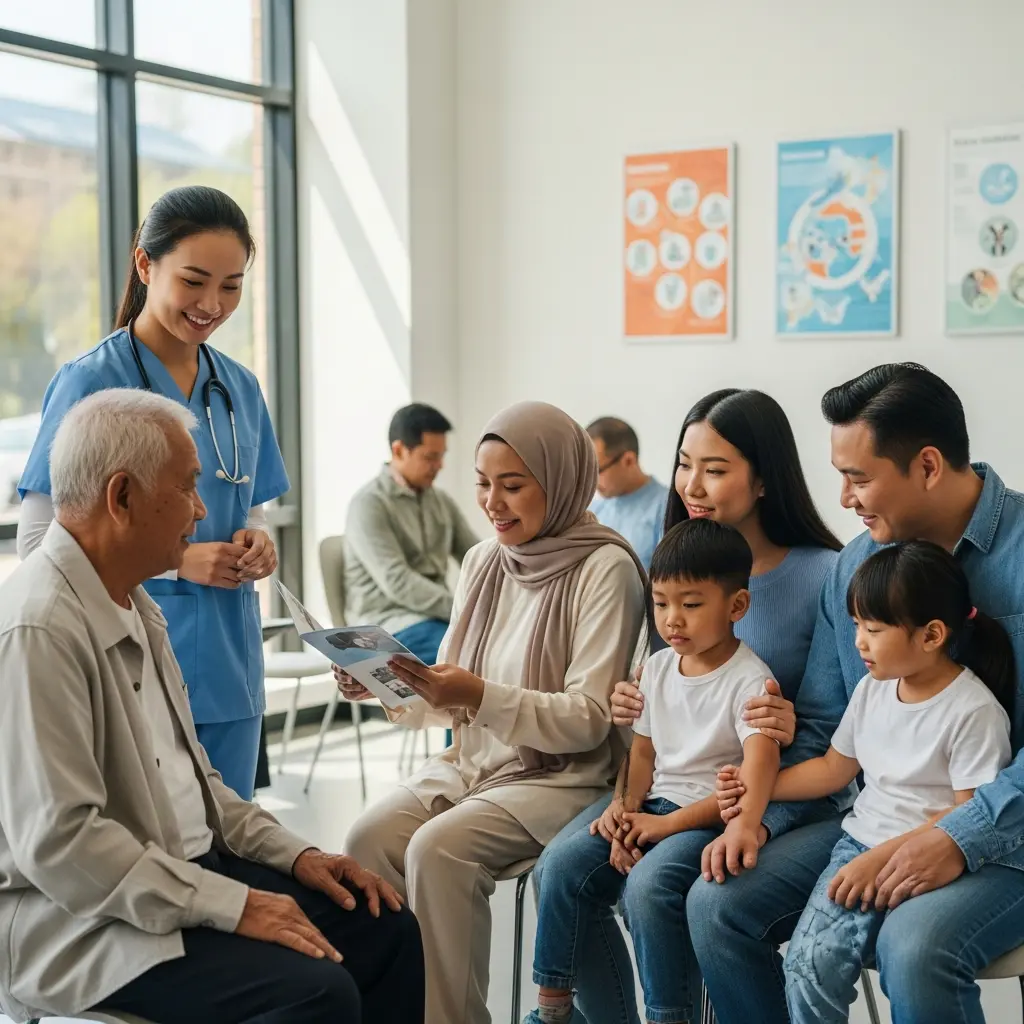 Individuals with Down syndrome face a higher risk for certain medical conditions, necessitating comprehensive and specialized healthcare. Common co-occurring health issues include congenital heart defects, thyroid dysfunction, hearing and vision impairments, and gastrointestinal abnormalities.
For comprehensive information on the clinical management of these associated health conditions, the Centers for Disease Control and Prevention (CDC) provides extensive guidelines and resources. Access to pediatric cardiologists, endocrinologists, and specialized therapists is essential for ensuring a high quality of life.
In densely populated Asian cities, medical expertise is often concentrated in major urban hospitals. This geographic disparity means that families living outside metropolitan centers face significant travel and financial burdens to secure appropriate medical care. Furthermore, language barriers and a lack of culturally tailored medical literature can prevent parents from fully understanding their child’s health requirements. Health ministries across the region must prioritize the equitable distribution of medical resources to ensure that every individual, regardless of their zip code, receives consistent, high-quality medical supervision.
Success Stories and Advocacies: Celebrating Achievements
One of the most effective ways to combat stigma is by highlighting the tangible achievements of individuals living with the condition. Across the Asian continent and within the global diaspora, there are countless inspiring stories of people breaking barriers and redefining what is possible in the context of down syndrome in asia.
We see individuals with Down syndrome excelling as artists, musicians, athletes, and entrepreneurs. Young adults are securing meaningful employment in the hospitality and retail sectors, proving their capability and dedication as valuable members of the workforce. These achievements challenge outdated assumptions about the limitations associated with chromosome 21 disorder and demonstrate that ability should never be defined by diagnosis alone.
Self-advocates are also becoming powerful voices in global conversations around disability rights. Many are speaking at international conferences, community events, and online platforms, pushing for inclusive education, equal employment opportunities, and better healthcare systems. Their voices help raise awareness about genetic disability condition and emphasize the importance of dignity, independence, and equal participation in society.
In many countries, advocacy groups are working tirelessly to improve access to early intervention programs and promote understanding of down syndrome symptoms among families and healthcare providers. These efforts are essential in ensuring that individuals receive the support they need from an early age, including education, therapy, and social integration programs.
These success stories serve a dual purpose. They offer immense hope to new parents navigating a recent diagnosis, showing them that a fulfilling, joyful life is entirely possible for their child. At the same time, they encourage society to move beyond stereotypes and recognize the value and potential of every individual with trisomy 21 condition.
Ultimately, these narratives replace pity with respect, fear with understanding, and limitation with possibility—building a more inclusive and compassionate world for all.
Resources and Future Directions: Building a Supportive Future
The trajectory for individuals with Down syndrome is more promising today than at any point in history. However, sustaining this momentum requires ongoing commitment and resource allocation. Support groups play an indispensable role in this ecosystem. Parent-led organizations provide a safe space for sharing experiences, exchanging practical advice, and advocating for policy changes at the local and national levels.
For families seeking global connections and up-to-date research, the Global Down Syndrome Foundation offers a wealth of information, funding research initiatives, and promoting inclusive practices worldwide. Leveraging these international resources while maintaining culturally relevant local support is key to empowering families.
Looking to the future, the focus must shift from mere survival to total integration. This involves creating robust vocational training programs that transition young adults from the school system into the competitive workforce. It also requires the development of supported living communities, allowing adults with Down syndrome to live semi-independently while retaining a safety net of care.
Embracing Diversity and Promoting Genuine Inclusion
 The journey of understanding and supporting Asian Down syndrome is a testament to the power of community, resilience, and advocacy. While genetic realities remain constant, the cultural landscape is entirely malleable. By actively dismantling outdated stigmas, improving equitable healthcare access, and fighting for inclusive classrooms, societies can dramatically alter the life trajectory of individuals with developmental disabilities such as down syndrome in asia.
Awareness plays a crucial role in reducing misunderstanding around chromosome 21 disorder and promoting early support systems. Families who receive timely information about genetic disability condition management are better equipped to access therapies, educational support, and healthcare services that improve long-term outcomes. Early diagnosis of down syndrome symptoms also allows children to benefit from specialized learning programs and developmental care.
True inclusion requires actionable steps from all of us. Educate yourself on the realities of the condition, support local businesses that employ individuals with disabilities, and champion policies that enforce equal rights. Encouraging early diagnosis down syndrome programs and awareness campaigns can significantly improve social integration and healthcare access.
Communities also play a vital role in building inclusive environments where individuals with trisomy 21 condition are valued and supported. Schools, workplaces, and public institutions must prioritize accessibility and acceptance to ensure equal opportunities for all.When we embrace human diversity in all its forms, we build stronger, more compassionate communities where every individual has the opportunity to shine.
FAQ
1. What is Down syndrome in Asia?
Down syndrome in Asia refers to individuals with Down syndrome living across Asian countries. It is a genetic condition caused by an extra copy of chromosome 21 and occurs in all populations worldwide.
2. Is Down syndrome more common in Asia?
No, Down syndrome occurs at similar rates globally. It is not limited to any specific race or region.
3. What causes Down syndrome?
It is caused by a chromosomal abnormality called trisomy 21, where an individual has an extra copy of chromosome 21.
4. Can Down syndrome be cured?
No, it is a lifelong genetic condition, but early intervention and support can significantly improve quality of life.
5. What are common symptoms of Down syndrome?
Common symptoms include developmental delays, characteristic facial features, and mild to moderate intellectual disability.
6. Can individuals with Down syndrome live independent lives?
Yes, many individuals can live semi-independent or independent lives with proper education, training, and support.
7. What support is available for families in Asia?
Support includes special education programs, therapy services, medical care, and advocacy organizations in many countries.
8. How is Down syndrome diagnosed?
It can be diagnosed before birth through prenatal tests or after birth through genetic testing.
9. What is the importance of early intervention?
Early intervention helps improve communication, learning skills, and social development in children with Down syndrome.
10. Can people with Down syndrome work?
Yes, many individuals work successfully in retail, hospitality, arts, and other industries with proper support.
Conclusion
Down syndrome in Asia is a genetic condition that affects individuals across all cultures and regions. While it presents developmental challenges, increased awareness, inclusive education, and strong support systems are helping individuals lead more independent and fulfilling lives. By promoting acceptance and equal opportunities, societies can ensure that people with Down syndrome are valued, included, and empowered to reach their full potential.