
Alpha thalassemia trait is an inherited blood condition caused by changes in alpha-globin genes. Most carriers have mild or no symptoms, but genetic testing and counseling are important to understand inheritance risks and family planning options. Early diagnosis can help prevent severe forms in future generations.
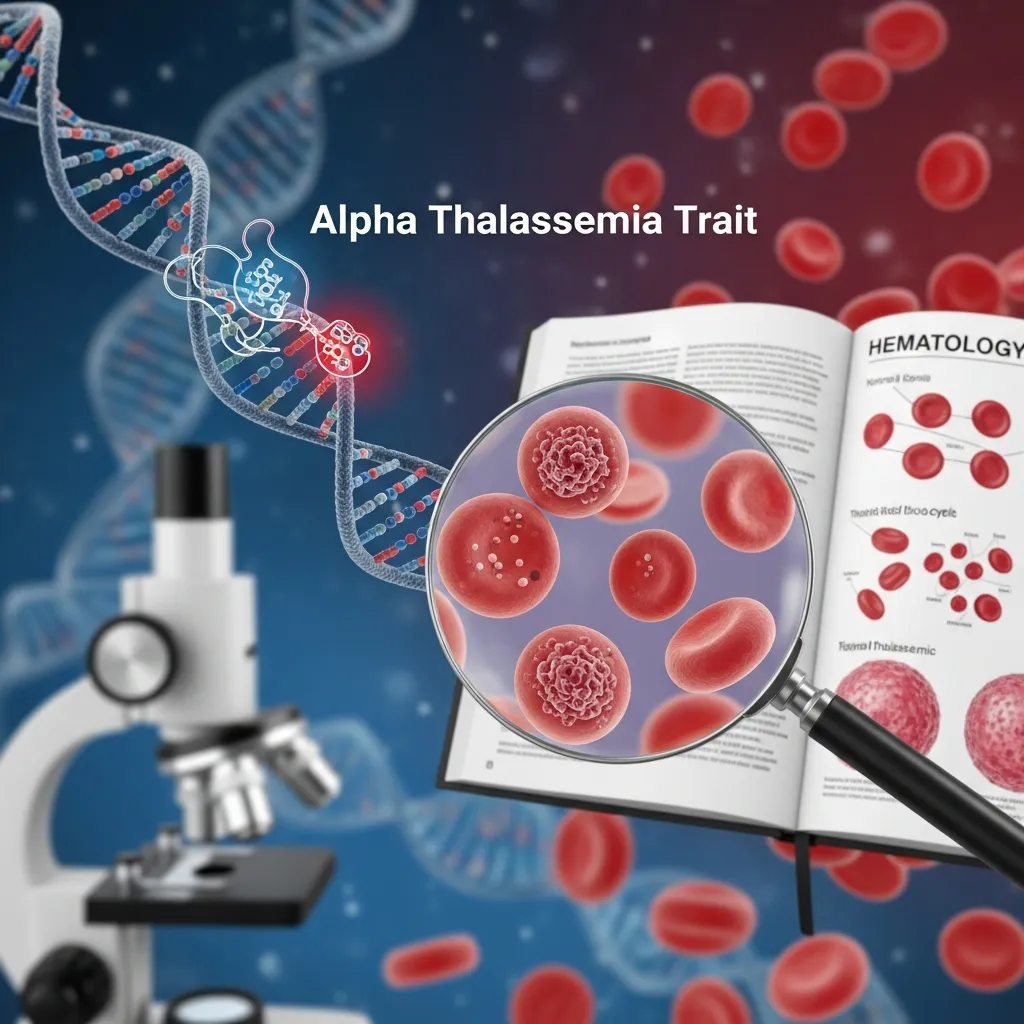 Alpha Thalassemia Trait is a genetic condition that affects how your body makes hemoglobin—the protein in red blood cells responsible for carrying oxygen from your lungs to the rest of your body. People with this trait produce slightly less alpha-globin than normal, which can result in red blood cells that are smaller and paler than average. In some cases, this may cause very mild anemia, but most individuals experience few or no noticeable symptoms.
What are the symptoms of Alpha Thalassemia Trait?
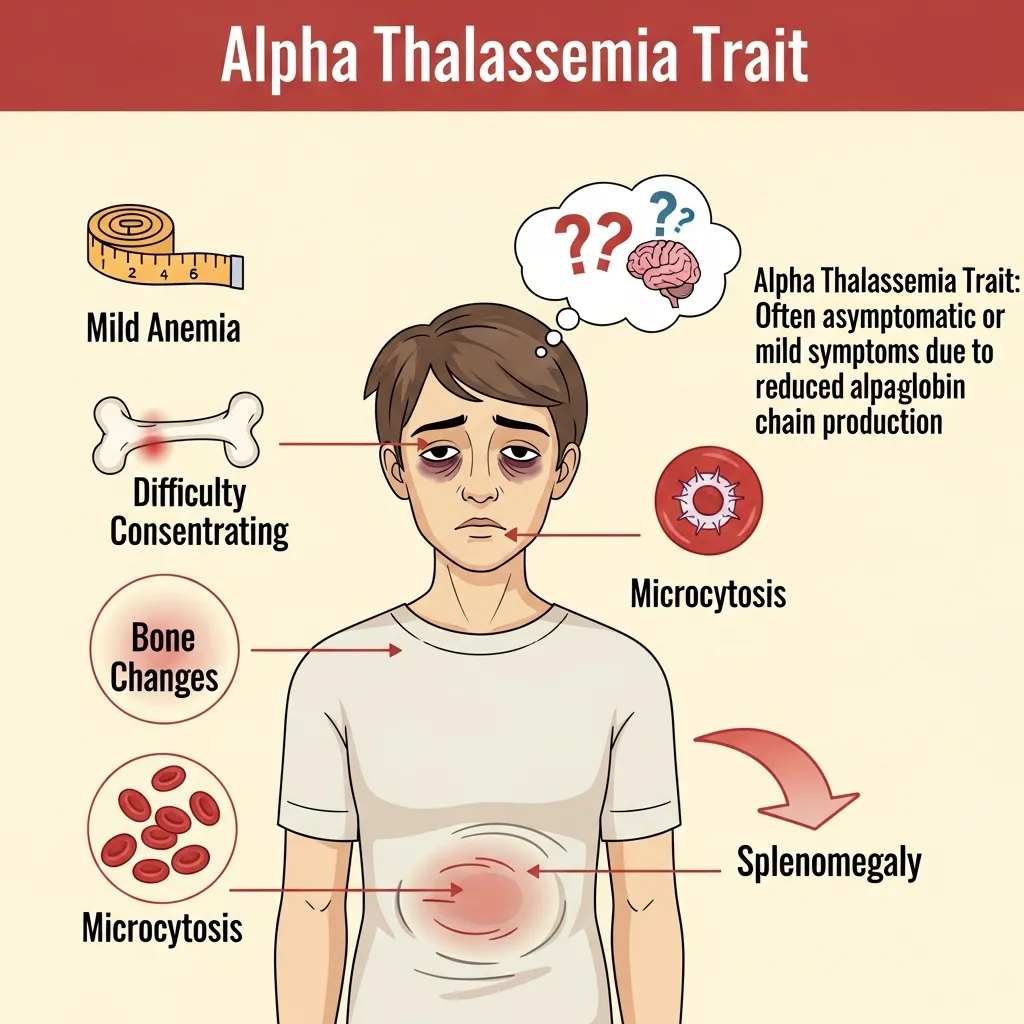 Most people with Alpha Thalassemia Trait have no symptoms at all. In fact, many carriers live their entire lives without realizing they have the condition. Because the trait usually causes only minor changes in red blood cells, it is often discovered accidentally during routine blood tests, employment medical screenings, pregnancy evaluations, or family genetic testing.
The condition is frequently described as a “silent” carrier state because it rarely causes significant health problems. Unlike more severe forms of thalassemia, Alpha Thalassemia Trait generally does not interfere with normal growth, development, work, exercise, or daily activities. Most carriers enjoy a normal life expectancy and excellent overall health.
When symptoms do occur, they are usually mild and related to slight anemia. Common symptoms may include:
Fatigue: A mild but persistent feeling of tiredness, even after adequate sleep.
Pallor: Skin, lips, or nail beds that appear slightly paler than usual.
Weakness: Reduced energy levels or stamina during strenuous physical activity.
Mild shortness of breath: Occasionally experienced during intense exercise.
Difficulty maintaining energy levels: Some individuals notice they tire more quickly than others during prolonged activity.
These symptoms are often so subtle that they are mistaken for everyday stress, poor sleep, a busy lifestyle, or general exhaustion. Many people never seek medical attention because the symptoms are not severe enough to disrupt their daily routine.
For a closer look at what to watch for, this guide on Alpha Thalassemia Trait symptoms breaks down the warning signs in detail.
Why symptoms vary from person to person
Not everyone with Alpha Thalassemia Trait experiences the same effects. Some carriers have completely normal energy levels, while others notice mild fatigue from time to time. Several factors can influence symptom severity, including age, overall health, nutritional status, physical activity levels, and whether other medical conditions are present.
For example, someone who also has iron deficiency, vitamin deficiencies, or another blood disorder may experience more noticeable symptoms than a carrier with otherwise excellent health. This is one reason why healthcare providers often perform additional testing when anemia is detected.
Why Alpha Thalassemia Trait is often confused with iron deficiency
Here’s where things get tricky. The mild anemia caused by Alpha Thalassemia Trait can look remarkably similar to iron deficiency anemia on a routine blood test. Both conditions often produce small, pale red blood cells, making it difficult to distinguish between them without further investigation.
This similarity is one of the most common reasons Alpha Thalassemia Trait is misdiagnosed. Many carriers are told they have iron deficiency and are prescribed iron supplements before additional testing is performed. While this may seem harmless, it can create confusion and delay an accurate diagnosis.
The important thing to remember is that Alpha Thalassemia Trait is a genetic condition. It is not caused by a lack of iron, poor nutrition, or dietary habits. Because of this, iron supplements will not correct the underlying cause of the anemia unless true iron deficiency is also present.
The risks of unnecessary iron supplementation
Taking iron supplements without confirmed iron deficiency can sometimes cause problems. Excess iron may gradually accumulate in the body, especially when taken for long periods. Over time, iron overload can affect organs such as the liver, heart, and endocrine glands.
This is why healthcare providers often recommend iron studies before prescribing supplements to individuals with unexplained anemia. Confirming whether inherited anemia condition is caused by iron deficiency or Alpha Thalassemia Trait helps ensure appropriate treatment and avoids unnecessary medication.
How doctors tell the difference
Several laboratory tests can help distinguish Alpha Thalassemia Trait from iron deficiency anemia:
- Complete Blood Count (CBC): Shows small red blood cells in both conditions.
- Iron Studies: Measure iron stores and help determine whether iron deficiency is present.
- Ferritin Test: Evaluates the body’s stored iron levels.
- Hemoglobin Analysis: May help rule out other inherited blood disorders.
- Genetic Testing: Provides the most definitive diagnosis for Alpha Thalassemia Trait.
One important clue is that people with Alpha Thalassemia Trait often continue to show small red blood cells even after iron levels are confirmed to be normal.
Why an accurate diagnosis matters
Receiving the correct diagnosis offers benefits far beyond avoiding unnecessary supplements. Knowing that you have Alpha Thalassemia Trait can help healthcare providers interpret future blood tests correctly, prevent repeated investigations for unexplained anemia, and provide valuable information for family planning.
Since Alpha Thalassemia Trait can be passed from parents to children, identifying carrier status allows families to understand potential genetic risks and seek counseling when appropriate. For many people, simply knowing the cause of their mild anemia brings reassurance and eliminates years of uncertainty.
Although Alpha Thalassemia Trait is usually harmless, understanding its symptoms and distinguishing it from iron deficiency are important steps toward effective healthcare management and informed decision-making.
How is Alpha Thalassemia Trait diagnosed?
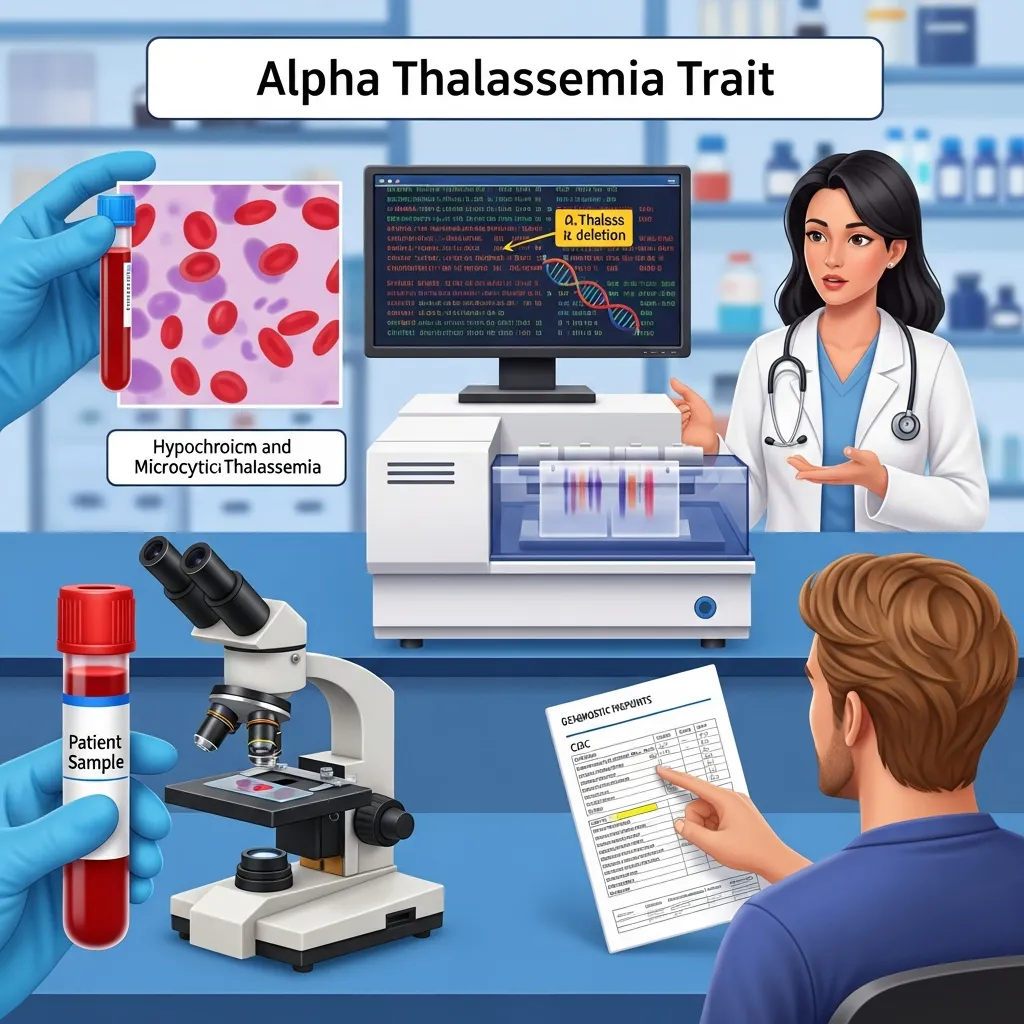 Diagnosing Alpha Thalassemia Trait requires more than simply reviewing symptoms. Because the condition often causes only mild anemia—or no symptoms at all—it can easily be mistaken for iron deficiency anemia or other blood disorders. To reach an accurate diagnosis, healthcare providers typically follow a step-by-step evaluation process that combines blood testing, laboratory analysis, family history assessment, and, when necessary, genetic testing.
Many people first learn about Alpha Thalassemia Trait during routine health screenings, employment physicals, pregnancy evaluations, or investigations into unexplained anemia. Since the condition is inherited, identifying it correctly is important not only for the individual but also for future family planning decisions.
Initial blood tests for Alpha Thalassemia Trait
The first step is usually a Complete Blood Count (CBC). This common test measures the size, number, and quality of your red blood cells. For people with Alpha Thalassemia Trait, two numbers often stand out:
- MCV (Mean Corpuscular Volume): Usually lower than normal, indicating that red blood cells are smaller than average (microcytosis).
- MCH (Mean Corpuscular Hemoglobin): Typically reduced, showing that each red blood cell contains less hemoglobin.
These findings often provide the first clue that an inherited blood condition may be present.
A doctor may also order a peripheral blood smear, which involves examining a blood sample under a microscope. In people with Alpha Thalassemia Trait, red blood cells frequently appear smaller and paler than normal. Some cells may show slight variations in shape and size, although these changes are usually mild.
The role of iron studies
Because Alpha Thalassemia Trait closely resembles iron deficiency anemia, healthcare providers often perform iron studies early in the diagnostic process. These tests may include:
- Serum ferritin
- Serum iron
- Total iron-binding capacity (TIBC)
- Transferrin saturation
If iron levels are normal despite the presence of small red blood cells, doctors may suspect Alpha Thalassemia Trait rather than iron deficiency. This distinction is extremely important because unnecessary iron supplementation will not correct the genetic condition.
Family history and genetic clues
A detailed family history can provide valuable diagnostic information. Doctors often ask whether relatives have:
- Thalassemia
- Chronic anemia
- Unexplained abnormal blood tests
- A history of genetic blood disorders
Since Alpha Thalassemia Trait is inherited, discovering a pattern of similar findings among family members can strengthen suspicion and guide further testing.
Advanced tests and genetic confirmation
Here’s an important detail: hemoglobin electrophoresis and HPLC, the standard tests used to identify beta thalassemia, often produce normal results in people with Alpha Thalassemia Trait. While these tests are highly effective for diagnosing beta-globin disorders, they have significant limitations when evaluating alpha-globin gene abnormalities.
This can sometimes create confusion because a person may have clear evidence of microcytosis and mild anemia, yet standard hemoglobin testing appears normal.
For this reason, genetic testing is considered the gold standard for confirming Alpha Thalassemia Trait. Rather than looking at the blood cells themselves, DNA testing examines the alpha-globin genes directly to determine whether any deletions or mutations are present.
Two commonly used genetic testing methods include:
- PCR-based assays: Rapidly identify the most common alpha-globin gene deletions.
- Gene sequencing: Analyzes the DNA sequence in detail to detect less common or rare genetic mutations.
These tests can accurately determine how many alpha-globin genes are affected and whether an individual is a silent carrier, has Alpha Thalassemia Trait, or carries a more severe form of alpha thalassemia.
Why genetic testing matters
Genetic confirmation offers several important benefits. It eliminates uncertainty, prevents repeated testing for unexplained anemia, and helps healthcare providers interpret future blood work correctly. Most importantly, it provides essential information for family planning.
If both parents carry alpha-globin gene changes, their children may be at risk for more severe forms of alpha thalassemia. Identifying carrier status before pregnancy allows families to receive genetic counseling and better understand potential risks.
According to the Centers for Disease Control and Prevention (CDC), genetic testing remains the most reliable way to confirm Alpha Thalassemia Trait because it directly identifies the underlying genetic cause rather than relying solely on blood test patterns.
When should you consider testing?
Testing for Alpha Thalassemia Trait may be recommended if you:
- Have persistent mild anemia with normal iron levels
- Have unusually small red blood cells on a CBC
- Have a family history of thalassemia
- Belong to a population where alpha thalassemia is common
- Are planning a pregnancy and want to understand genetic risks
Early and accurate diagnosis can provide reassurance, prevent misdiagnosis, and support informed healthcare decisions for both individuals and families.
Ultimately, diagnosing Alpha Thalassemia Trait involves combining laboratory findings with genetic analysis. While routine blood tests often raise the first suspicion, DNA testing provides the definitive answer and remains the most effective tool for confirming carrier status.
Why family history matters
Your family history is a powerful diagnostic clue. Alpha Thalassemia Trait is most common in people with ancestry from Southeast Asia, the Mediterranean, the Middle East, Africa, and parts of India. If anemia or thalassemia runs in your family, mention it to your doctor. This information can steer the testing process in the right direction from the start and prevent months of unnecessary iron treatment.
What’s it like to live with Alpha Thalassemia Trait?
 For the vast majority of people, living with Alpha Thalassemia Trait requires no special treatment at all. The condition follows a generally benign course, meaning it does not typically worsen over time or lead to serious health complications on its own. Most carriers can expect a normal life expectancy, normal physical development, and the ability to participate fully in work, exercise, travel, and everyday activities.
In many cases, individuals are completely unaware they have Alpha Thalassemia Trait until routine blood tests reveal mild anemia or unusually small red blood cells. Once diagnosed, many people are relieved to learn that the condition is usually harmless and rarely affects quality of life.
Daily life with Alpha Thalassemia Trait
Most carriers do not need to change their lifestyle after diagnosis. There are no special restrictions on physical activity, sports participation, or employment. Children with Alpha Thalassemia Trait generally grow and develop normally, and adults can maintain active lifestyles without limitations.
Some individuals may occasionally experience mild fatigue, particularly during periods of illness, stress, poor sleep, or intense physical exertion. However, these symptoms are often subtle and may not be directly related to the trait itself.
Maintaining overall good health through balanced nutrition, regular exercise, adequate sleep, and routine medical care can help support healthy red blood cell production and general well-being.
Nutrition and Alpha Thalassemia Trait
Diet plays a supportive role, but the nutritional recommendations for Alpha Thalassemia Trait are often misunderstood.
Iron
Iron is the nutrient that causes the most confusion among carriers.
Do not take iron supplements unless a healthcare provider confirms you have true iron deficiency through appropriate testing. Because Alpha Thalassemia Trait is caused by inherited gene changes rather than low iron levels, additional iron will not correct the mild anemia associated with the condition.
Unnecessary iron supplementation can sometimes lead to excessive iron accumulation in the body. Over time, iron overload may affect important organs such as the liver, heart, and endocrine glands. For this reason, iron treatment should only be used when laboratory testing confirms a genuine deficiency.
For most carriers, a balanced diet containing normal dietary sources of iron is sufficient.
Folic acid
Folic acid, also known as folate or vitamin B9, helps the body produce healthy red blood cells. In some situations, a doctor may recommend folic acid supplementation, particularly during pregnancy or periods of increased red blood cell production.
Women with Alpha Thalassemia Trait who are planning a pregnancy should discuss folic acid needs with their healthcare provider. Adequate folate intake supports fetal development and healthy blood formation.
However, supplementation should always be based on professional medical advice rather than self-treatment.
Pregnancy and family planning considerations
Most women with Alpha Thalassemia Trait experience healthy pregnancies and deliver healthy babies. The trait itself usually does not create major pregnancy complications.
However, understanding carrier status becomes especially important when both parents may carry alpha-globin gene changes. In these situations, genetic counseling can help determine the risk of having a child with a more severe form of alpha thalassemia.
Healthcare providers often recommend carrier screening before or during pregnancy so families can make informed reproductive decisions and understand any potential genetic risks.
Monitoring and when to seek medical advice
Most people with Alpha Thalassemia Trait only need occasional medical follow-up. Routine health check-ups and periodic blood tests are usually enough to confirm that blood counts remain stable.
Unlike severe forms of thalassemia, Alpha Thalassemia Trait does not require:
- Regular blood transfusions
- Intensive monitoring programs
- Specialized long-term treatments
- Frequent hospital visits
This makes the condition relatively easy to manage once an accurate diagnosis has been established.
When should you contact a healthcare provider?
Although Alpha Thalassemia Trait is typically mild, it is important to seek medical advice if you experience:
- Increasing or persistent fatigue
- Unusual shortness of breath
- Dizziness or fainting
- Significant weakness
- Symptoms that interfere with daily activities
- Changes in blood test results
These symptoms may indicate another medical condition occurring alongside Alpha Thalassemia Trait rather than the trait itself.
The emotional benefits of knowing your diagnosis
One often-overlooked aspect of living with Alpha Thalassemia Trait is the reassurance that comes from understanding the cause of abnormal blood test results. Many carriers spend years being told they may have iron deficiency or unexplained anemia.
A confirmed diagnosis eliminates uncertainty and helps healthcare providers interpret future laboratory results more accurately. It also allows family members to consider genetic screening if appropriate.
A positive long-term outlook
Perhaps the most important thing to remember is that Alpha Thalassemia Trait is usually a lifelong but harmless condition. Most carriers never develop serious complications and can enjoy normal health throughout their lives.
With accurate diagnosis, sensible medical guidance, and awareness of genetic implications for future children, people with Alpha Thalassemia Trait can approach the future with confidence. In most cases, the condition becomes little more than a small note in a medical record rather than a significant health concern.
Why does Alpha Thalassemia Trait matter for family planning?
 This is where Alpha Thalassemia Trait becomes especially important. Although the condition is usually harmless for the carrier, it can have significant implications for future children when both parents carry alpha-globin gene changes. For many individuals, the greatest impact of Alpha Thalassemia Trait is not on their own health but on the genetic risks that may be passed to the next generation.
Because carriers often have no symptoms, many people are unaware of their status until they undergo routine blood testing, prenatal screening, or genetic counseling. Discovering carrier status before pregnancy gives couples valuable information that can help them make informed reproductive decisions and better understand potential outcomes for their children.
Understanding the inheritance pattern
Alpha thalassemia follows an autosomal recessive inheritance pattern. In simple terms, this means that a child must inherit gene changes from both parents to develop a more severe form of the condition.
Each person normally has four alpha-globin genes—two inherited from their mother and two inherited from their father. The severity of alpha thalassemia depends on how many of these genes are affected.
If only one parent carries Alpha Thalassemia Trait, the situation is generally reassuring. Children may inherit the trait, become silent carriers, or inherit completely normal alpha-globin genes. However, they are not expected to develop severe alpha thalassemia.
The situation becomes more complex when both parents carry alpha-globin gene deletions or mutations. In these cases, each pregnancy carries a possibility of passing on multiple affected genes.
Depending on the specific genetic combinations involved, a child may inherit:
- Normal alpha-globin genes
- Silent carrier status
- Alpha Thalassemia Trait
- Hemoglobin H disease
- Hemoglobin Barts Hydrops Fetalis
The exact risk varies from family to family, which is why genetic testing is so important.
Potential outcomes for future children
When both parents are carriers, several inheritance patterns become possible.
Alpha Thalassemia Trait
Some children may inherit two affected genes and develop Alpha Thalassemia Trait, just like their parents. These individuals generally live normal lives and experience few, if any, health problems.
Hemoglobin H disease
If a child inherits three affected alpha-globin genes, they may develop Hemoglobin H disease. This condition can cause:
- Moderate to severe anemia
- Fatigue and weakness
- Enlarged spleen
- Growth and developmental concerns
- Increased need for medical monitoring
While many individuals with Hemoglobin H disease live productive lives, they often require ongoing healthcare and periodic treatment.
Hemoglobin Barts Hydrops Fetalis
The most serious outcome occurs when all four alpha-globin genes are missing or nonfunctional. This results in Hemoglobin Barts Hydrops Fetalis, an extremely severe condition that develops during pregnancy.
Affected fetuses are unable to produce normal hemoglobin, leading to profound anemia and widespread fluid accumulation known as hydrops fetalis. Historically, this condition has been associated with fetal loss or death shortly after birth, although advances in prenatal care have improved outcomes in some specialized cases.
Because of these risks, identifying carrier couples before pregnancy is considered a critical component of preventive healthcare in populations where alpha thalassemia is common.
Why carrier screening matters
Carrier screening allows individuals to learn whether they carry alpha-globin gene changes before having children. This information helps couples understand their reproductive risks and explore available options early.
Screening is particularly important for people with ancestry from regions where alpha thalassemia occurs frequently, including:
- South Asia
- Southeast Asia
- China
- The Middle East
- Africa
- Mediterranean countries
- Pacific Island populations
Even individuals with no family history of thalassemia may be carriers, making screening an important consideration for many couples.
The role of genetic counseling
Genetic counseling is one of the most valuable steps a couple can take before starting a family. A genetic counselor reviews medical records, blood test results, and genetic testing findings to explain inheritance risks in clear, understandable language.
Rather than telling couples what decisions to make, counselors provide accurate information and support informed decision-making. They help families understand:
- Whether they are carriers
- The likelihood of passing on affected genes
- Potential health outcomes for future children
- Available testing options
- Reproductive choices and family planning strategies
This personalized guidance often reduces anxiety and helps couples feel more confident about their decisions.
Reproductive options for carrier couples
If both partners carry Alpha Thalassemia Trait or other alpha-globin gene abnormalities, several options may be available depending on personal preferences, medical circumstances, and local healthcare resources.
These may include:
- Prenatal genetic testing during pregnancy
- Preimplantation genetic testing (PGT) with IVF
- Early fetal monitoring
- Consultation with maternal-fetal medicine specialists
- Continued pregnancy with enhanced medical planning
Genetic counselors and healthcare providers can explain these options in detail and help couples determine which approach best fits their values and circumstances.
Knowledge empowers better decisions
One of the greatest benefits of understanding Alpha Thalassemia Trait is the ability to plan ahead. Many carriers are surprised to learn that a condition causing little or no impact on their own health can have important implications for future generations.
By identifying carrier status early, pursuing appropriate testing, and seeking genetic counseling when needed, families can gain a clearer understanding of their risks and make informed choices with confidence.
Ultimately, Alpha Thalassemia Trait matters for family planning because knowledge allows prevention, preparation, and peace of mind. While the trait itself is usually harmless, understanding its inheritance pattern can make a meaningful difference in the health and well-being of future children. Pre-conception counseling gives couples the widest range of choices and the most time to plan. You can explore these options in greater depth in this family planning thalassemia guide.
Prenatal diagnosis options
For couples who are both carriers, prenatal testing can determine the genetic status of the fetus early in pregnancy. Two main procedures are available:
- Chorionic Villus Sampling (CVS): Performed between weeks 10 and 13, CVS takes a small sample of placental tissue for DNA analysis.
- Amniocentesis: Done around weeks 15 to 20, this test analyzes fetal cells found in the amniotic fluid.
Both procedures give parents vital information and time to consult specialists and prepare for any specialized care that may be needed.
Common myths about Alpha Thalassemia Trait, debunked
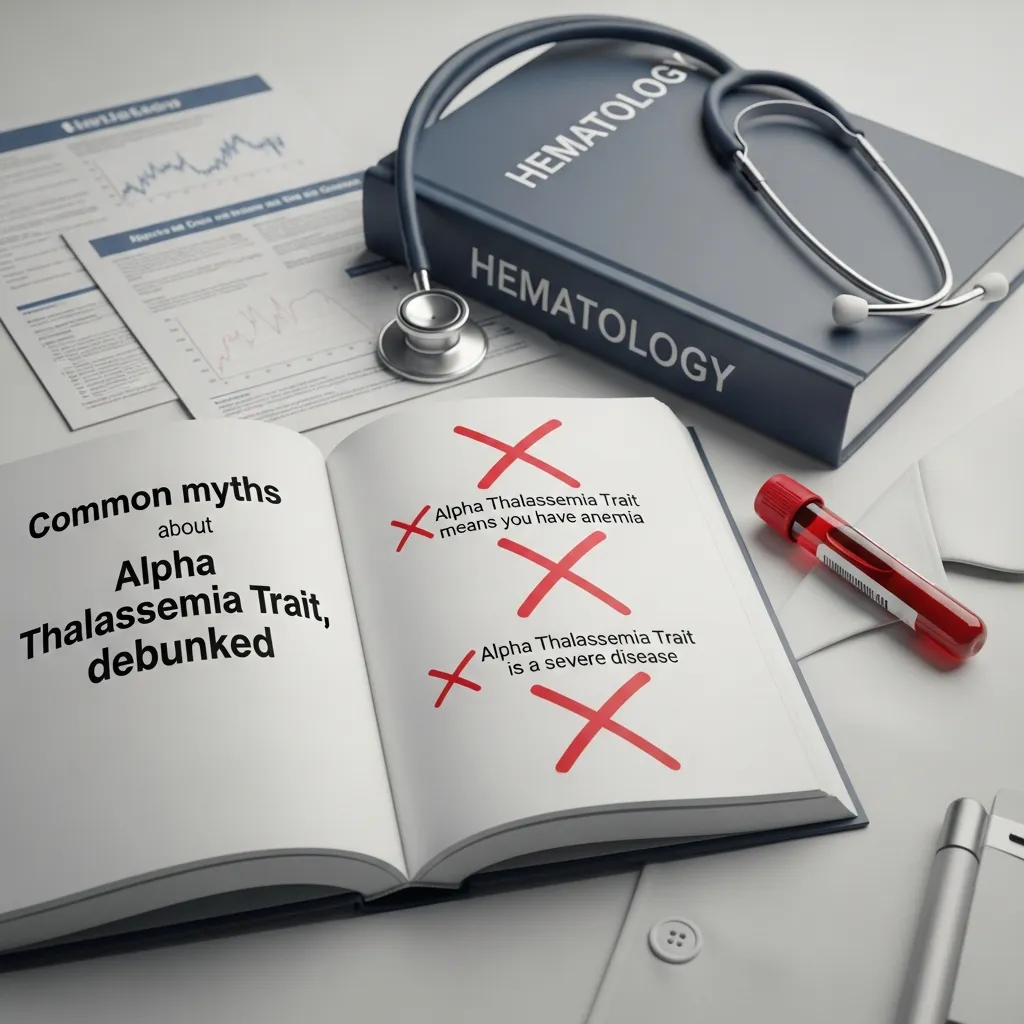 Because Alpha Thalassemia Trait is often misunderstood, many people receive inaccurate information after diagnosis. These misconceptions can lead to unnecessary anxiety, inappropriate treatment, and confusion about future health risks. Understanding the facts can help carriers make informed decisions and avoid common mistakes.
Myth 1: “Alpha Thalassemia Trait is a serious disease.”
False. Alpha Thalassemia Trait is not considered a serious disease. It is a mild genetic carrier state that usually causes little to no impact on overall health. Most carriers never develop significant symptoms and can expect a normal lifespan, normal physical activity, and a high quality of life.
Unlike severe forms of thalassemia that may require blood transfusions or ongoing medical care, Alpha Thalassemia Trait rarely needs treatment. For most people, the condition becomes important primarily during family planning rather than day-to-day healthcare.
Myth 2: “I need iron supplements to fix my anemia.”
False. This is one of the most common misconceptions surrounding Alpha Thalassemia Trait.
The mild anemia associated with the trait is caused by inherited changes in the alpha-globin genes, not by a lack of iron. As a result, iron supplements will not correct the underlying condition unless a true iron deficiency is also present.
Many carriers are mistakenly prescribed iron because their blood tests resemble iron deficiency anemia. However, taking iron without proper testing may provide no benefit and, in some cases, could contribute to excessive iron accumulation over time.
The safest approach is to have iron levels measured before starting supplementation. A healthcare provider can determine whether iron deficiency actually exists and recommend appropriate treatment.
Myth 3: “I can’t have healthy children.”
False. People with Alpha Thalassemia Trait can absolutely have healthy children.
The important factor is understanding the carrier status of both parents. If only one parent carries Alpha Thalassemia Trait, the risk of severe alpha thalassemia in children is extremely low. Even when both parents are carriers, modern genetic testing and counseling provide valuable information that helps families understand and manage potential risks.
Today, couples have access to advanced carrier screening, prenatal testing, reproductive planning services, and specialized medical care. These tools allow families to make informed choices and significantly reduce uncertainty.
Myth 4: “Alpha Thalassemia Trait will get worse as I age.”
False. Alpha Thalassemia Trait is generally stable throughout life.
Unlike progressive diseases that gradually worsen over time, the trait typically remains unchanged. The mild blood cell abnormalities present at diagnosis usually stay relatively consistent, and most carriers do not develop serious complications simply because they are getting older.
Myth 5: “People with Alpha Thalassemia Trait should avoid exercise.”
False. Most carriers can participate in exercise, sports, and physical activities without restrictions.
Regular physical activity supports overall health and cardiovascular fitness. While some individuals may occasionally experience mild fatigue, this rarely prevents normal participation in recreational or competitive activities.
As with any health condition, individuals should discuss concerns with their healthcare provider if symptoms occur during exercise.
What does the future hold for thalassemia research?
Research into thalassemia is advancing rapidly, offering hope for improved diagnosis, treatment, and prevention. Although Alpha Thalassemia Trait itself is usually mild and does not require treatment, scientific advances in the broader field of thalassemia are benefiting carriers and affected families alike.
Gene therapy and genetic medicine
One of the most exciting areas of research involves gene therapy. Scientists are developing techniques that aim to correct or replace faulty genes responsible for severe forms of thalassemia.
Many of these approaches use a patient’s own stem cells, modifying them to produce healthier hemoglobin. While these therapies are primarily designed for individuals with severe thalassemia rather than Alpha Thalassemia Trait, they represent a major breakthrough in genetic medicine.
As research continues, gene-editing technologies such as CRISPR may further expand treatment possibilities for inherited blood disorders.
Better diagnostics and earlier detection
New genetic testing methods are becoming faster, more affordable, and increasingly accurate.
Modern laboratory technologies can now identify a wider range of alpha-globin gene deletions and mutations than ever before. As testing becomes more accessible, more people will be able to learn their carrier status early in life.
Earlier diagnosis offers several benefits:
- Improved family planning decisions
- Reduced risk of misdiagnosis
- Better understanding of inherited health risks
- More accurate interpretation of blood test results
These advances are helping healthcare providers identify carriers who may previously have gone undiagnosed.
Expanded newborn and carrier screening programs
Many countries are strengthening screening programs for inherited blood disorders. Expanded carrier screening allows prospective parents to understand their genetic risks before pregnancy, while newborn screening programs help identify serious conditions early when intervention may be most effective.
As awareness grows, experts expect more healthcare systems to incorporate comprehensive genetic screening into routine care.
Personalized medicine and precision healthcare
Researchers are increasingly focusing on personalized medicine—an approach that tailors healthcare recommendations to an individual’s unique genetic profile.
For people with Alpha Thalassemia Trait, this could mean more precise risk assessments, improved counseling, and individualized healthcare recommendations based on specific gene mutations rather than broad diagnostic categories.
A promising future
The future of thalassemia research is filled with opportunity. Advances in genetics, molecular medicine, and diagnostic technology are transforming how inherited blood disorders are identified and managed.
Although Alpha Thalassemia Trait is already considered a mild condition, ongoing research continues to improve awareness, simplify diagnosis, and support informed family planning. For carriers and their families, these developments offer greater clarity, better healthcare decisions, and increased confidence about the future.
Global prevention programs: Health organizations worldwide are expanding screening initiatives. The World Health Organization (WHO) continues to champion better awareness and standardized care, helping to reduce the number of children born with severe forms of the condition.
Take charge of your blood health
 Alpha Thalassemia Trait is far more common—and far less frightening—than many people realize. It’s a mild, inherited condition that rarely affects daily life. The real value lies in knowing your status: it helps you avoid the trap of unnecessary iron supplements, prevents misdiagnosis, and gives you the information you need to plan a family with confidence.
If you suspect you might be a carrier, or if anemia runs in your family, talk to your doctor about getting an Alpha Thalassemia Trait test. Ask specifically about genetic testing if standard tests come back unclear. And if you’re planning to have children, consider genetic counseling and carrier screening for both partners.
Knowledge is your most powerful tool. By understanding Alpha Thalassemia Trait, you take control of your health and empower yourself to make confident, informed decisions for both yourself and your future family.
Frequently Asked Questions (FAQ)
1. Can Alpha Thalassemia Trait turn into a more severe form of thalassemia?
No. Alpha Thalassemia Trait cannot change or progress into a more severe form like Hemoglobin H disease during your lifetime. The number of affected genes you’re born with stays the same. Severe forms only occur in children who inherit gene changes from both parents at conception.
2. Is Alpha Thalassemia Trait hereditary?
Yes. Alpha Thalassemia Trait is entirely hereditary, passed from parents to children through genes on chromosome 16. It follows an autosomal recessive pattern, which is why carrier screening matters when both partners may carry alpha thalassemia genes.
3. Do I need treatment for Alpha Thalassemia Trait?
In most cases, no. The trait is mild and requires no specific treatment. The main thing to avoid is taking unnecessary iron supplements. Some people may benefit from folic acid, but only under a doctor’s guidance.
4. What is the difference between Alpha Thalassemia Trait and iron deficiency anemia?
Both cause small, pale red blood cells, but the cause is different. Iron deficiency comes from low dietary iron or blood loss and improves with iron supplements. Alpha Thalassemia Trait is genetic and does not respond to iron. A genetic test is the most reliable way to tell them apart.
5. How do I get tested for Alpha Thalassemia Trait?
Testing usually starts with a Complete Blood Count (CBC) that may reveal small red blood cells. Because hemoglobin electrophoresis often appears normal for this trait, genetic testing (DNA analysis) is the gold standard for a definitive diagnosis.
6. Can two carriers of Alpha Thalassemia Trait have a healthy baby?
Yes, they can. When both parents are carriers, each pregnancy carries some risk of a more severe condition, but many children will be unaffected or carriers themselves. Genetic counseling and prenatal testing help couples understand and manage these risks.
7. Does Alpha Thalassemia Trait affect life expectancy?
No. Alpha Thalassemia Trait does not shorten life expectancy. Carriers typically live normal, healthy lives with no special medical care required.
8. Who is most likely to have Alpha Thalassemia Trait?
The trait is most common in people with ancestry from Southeast Asia, the Mediterranean, the Middle East, Africa, and parts of India—regions where malaria was historically common.
9. Will Alpha Thalassemia Trait affect my energy levels every day?
For most carriers, no. Any anemia is usually so mild that it doesn’t impact daily energy. Some people notice occasional tiredness, but significant fatigue is uncommon and worth discussing with a doctor.
10. Should my partner get tested if I have Alpha Thalassemia Trait?
Yes, ideally. Testing your partner reveals whether your children could be at risk for a severe form of thalassemia. This is the single most useful step you can take if you’re planning a family and know you carry the trait.