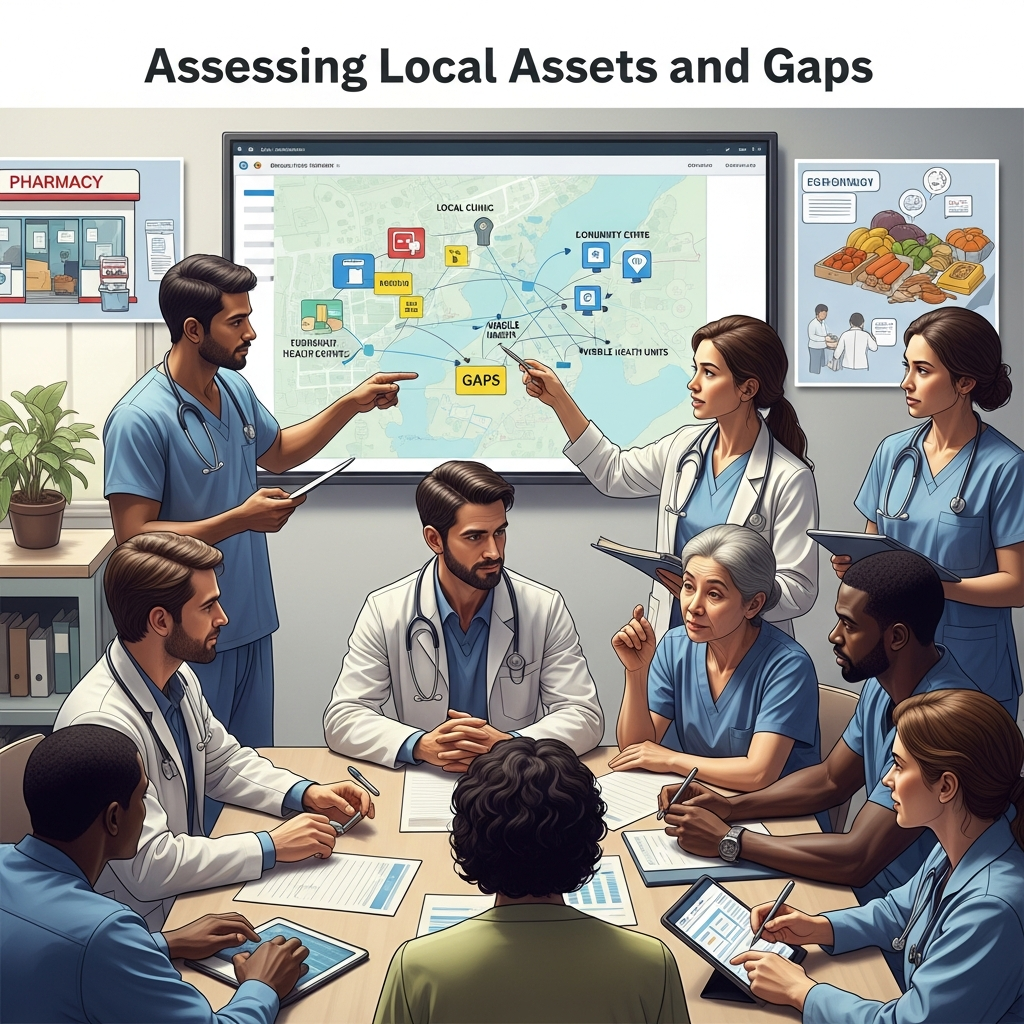
 A strong thalassemia partnerships model begins with a detailed understanding of local needs and available resources. This helps identify underserved regions and areas requiring urgent support.
Forging and Nurturing Key Partnerships
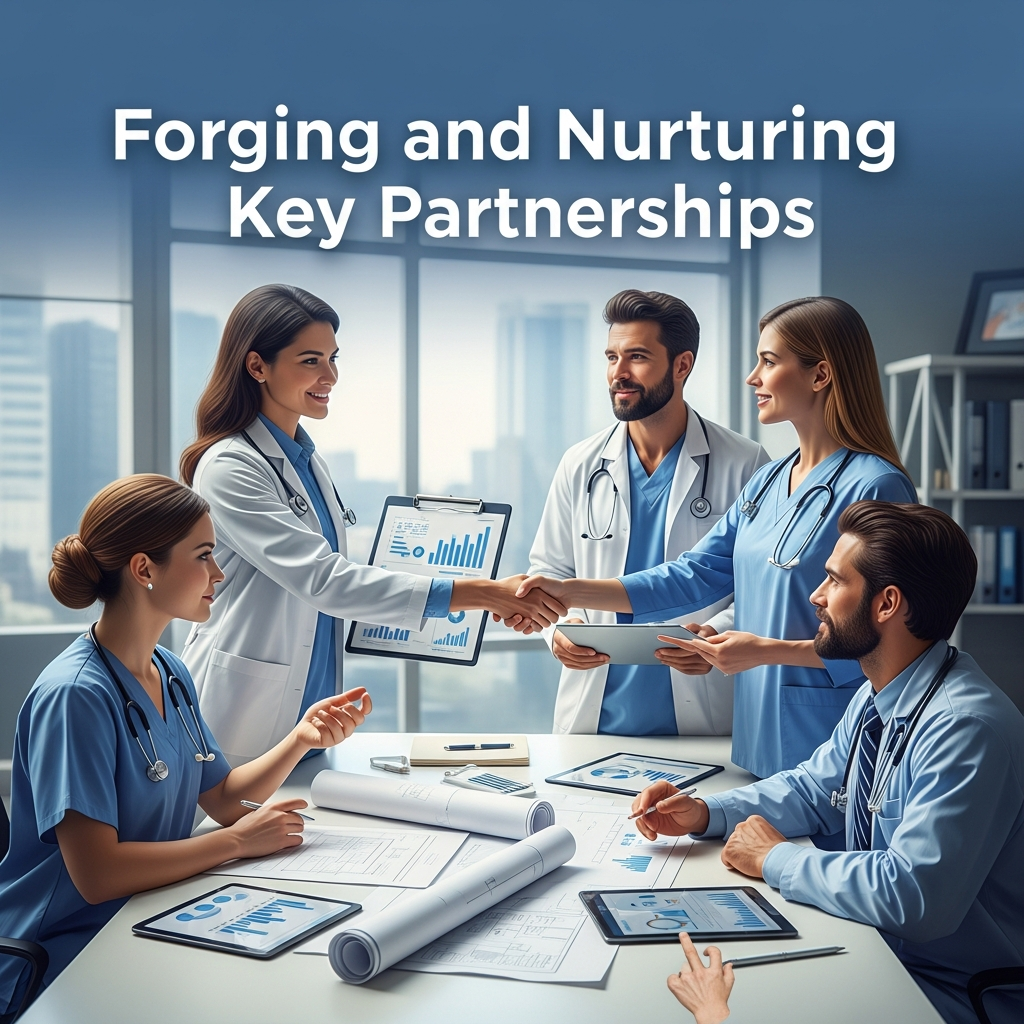 Strategic collaborations play a vital role in strengthening a thalassemia partnerships network by expanding reach, improving resource access, and increasing overall program effectiveness. By working with hospitals, universities, nonprofits, and corporate organizations, affiliates can significantly enhance both impact and credibility in their communities.
Mapping Potential Allies
Identifying the right partners is the first step toward building a strong collaboration ecosystem. A well-mapped network ensures alignment of goals and maximizes shared value.
Potential Partner Categories:
- Hospitals with hematology and transfusion services
- Blood donation centers and national blood banks
- Universities and research institutes (genetics, hematology)
- Nonprofit health organizations and NGOs
- Civic and community health clubs
- Corporate CSR (Corporate Social Responsibility) programs
Each partner brings unique strengths—academic institutions may provide research and volunteers, while blood banks support critical patient care logistics.
Strategic Partner Mapping
| Partner Type | Contribution | Impact on Network |
|---|---|---|
| Hospitals | Clinical care & specialists | Improved patient treatment |
| Universities | Research & volunteers | Innovation & outreach support |
| Blood Banks | Supply & logistics | Reliable transfusion access |
| NGOs | Community outreach | Increased awareness |
| Corporates | Funding & CSR support | Financial sustainability |
Crafting Win-Win Proposals
Successful thalassemia partnerships rely on mutual benefit. When approaching potential collaborators, it is important to present clear value for both sides.
Key Proposal Elements:
- Co-branding opportunities for campaigns and events
- Joint awareness and screening programs
- Access to educational and research collaboration
- Volunteer support for partner-led initiatives
- Compliance with data privacy and ethical standards
Positioning your affiliate as a collaborative partner rather than a dependent organization strengthens trust and increases acceptance.
Formalizing Agreements
Clear documentation ensures transparency and accountability in all thalassemia partnerships. Memoranda of Understanding (MOUs) are commonly used to define expectations and responsibilities.
MOU Should Include:
- Defined roles and responsibilities
- Project timelines and deliverables
- Resource sharing agreements
- Communication protocols
- Data protection and confidentiality clauses
Formal agreements help reduce misunderstandings and ensure long-term stability in collaborations.
Maintaining Regular Communication
Ongoing communication is essential to sustain engagement and strengthen relationships within thalassemia partnerships networks.
Best Practices:
- Schedule quarterly review meetings
- Share progress reports and impact updates
- Use collaboration tools like Slack or Microsoft Teams
- Co-host events and awareness campaigns
- Publish newsletters highlighting joint achievements
- Publicly acknowledge partner contributions
Consistent communication builds trust, ensures alignment, and keeps all stakeholders actively engaged.
Crafting High-Impact Awareness Initiatives
Raising public awareness about thalassemia and reducing social stigma are essential goals for any thalassemia partnerships network. A well-planned, multi-channel outreach strategy ensures that accurate information reaches diverse populations, including families, students, healthcare workers, and at-risk communities.
To be effective in 2026 and beyond, awareness initiatives must combine digital engagement, community involvement, education systems, and media outreach into a unified communication strategy.
Digital and Social Media Campaigns
Digital platforms provide one of the most powerful tools for scaling awareness in thalassemia partnerships. Social media allows organizations to reach targeted audiences quickly and cost-effectively.
Key Strategies:
- Run targeted ads on Facebook, Instagram, and LinkedIn
- Focus on audiences such as parents, caregivers, and healthcare professionals
- Use infographics to explain thalassemia in simple terms
- Share patient testimonials and real-life experiences
- Publish short educational videos and animations
- Use consistent hashtags including thalassemia partnerships for better visibility
These digital efforts help normalize conversations around thalassemia and increase engagement with screening programs and educational resources.
Digital Campaign Performance Overview
| Channel | Content Type | Target Audience | Expected Outcome |
|---|---|---|---|
| Awareness posts & ads | General public & families | Higher engagement | |
| Infographics & reels | Younger audiences | Increased awareness | |
| Professional articles | Healthcare professionals | Knowledge sharing | |
| YouTube | Patient stories & education | Broad audience | Deep understanding |
Community Workshops and Seminar Series
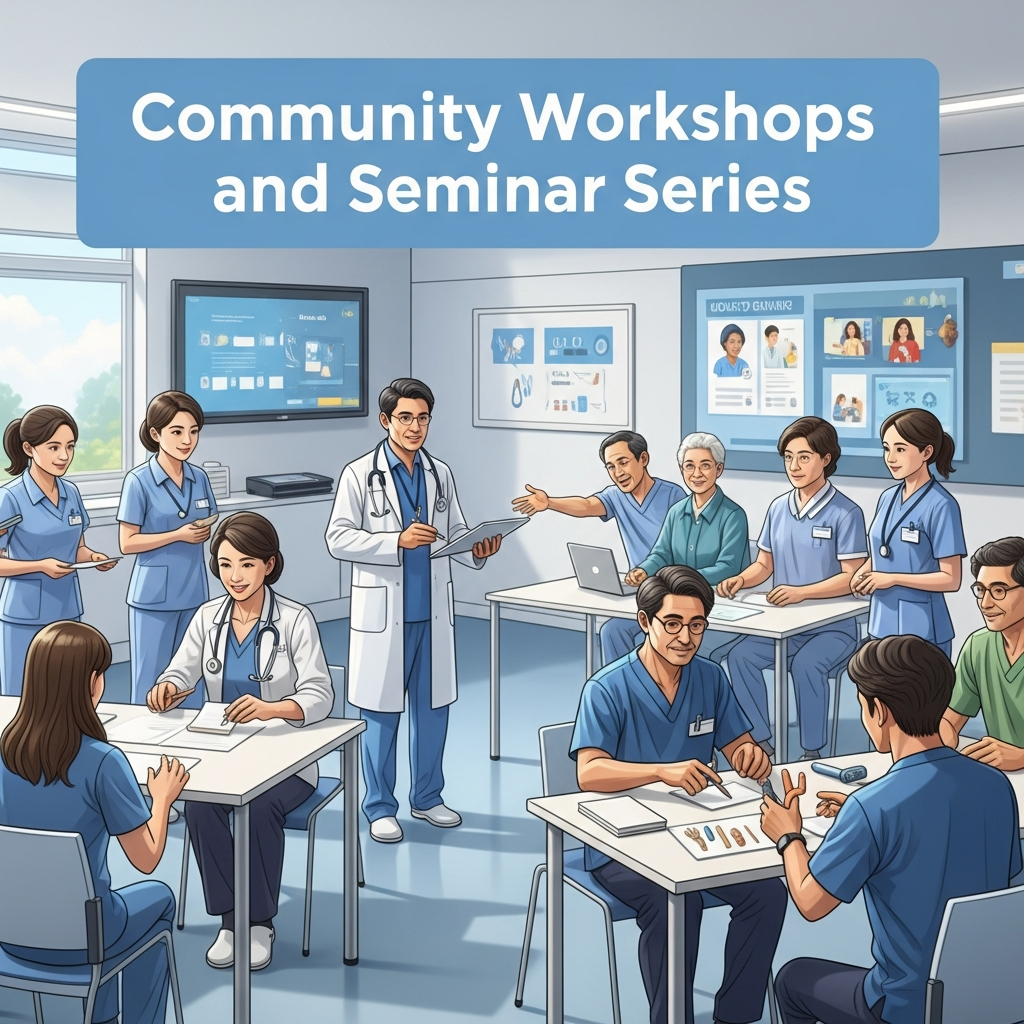 Offline education remains a critical pillar of thalassemia partnerships, especially in areas with limited digital access. Community-based programs help build trust and encourage early screening.
Key Activities:
- Organize free workshops in community centers and libraries
- Host seminars in collaboration with healthcare experts
- Invite hematologists and genetic counselors as speakers
- Provide bilingual educational materials
- Distribute screening and referral information
- Partner with public health organizations for updated data
These sessions help simplify complex medical information and empower individuals to take preventive action.
School Outreach Programs
Educational institutions play a key role in shaping early awareness. Integrating thalassemia education into school programs ensures long-term understanding among younger generations.
Key Initiatives:
- Collaborate with school health programs and teachers
- Introduce basic genetics and blood disorder education
- Develop interactive learning tools such as quizzes and games
- Use visual storytelling to explain inheritance patterns
- Provide take-home materials for family engagement
School-based initiatives strengthen early awareness and encourage family-level discussions about carrier screening.
Media Engagement and Public Relations
Media outreach expands the visibility of thalassemia partnerships by reaching mass audiences through trusted communication channels.
Effective PR Strategies:
- Pitch human-interest stories to newspapers and TV stations
- Highlight patient journeys and success stories
- Share data-backed press releases
- Collaborate with health journalists and influencers
- Promote upcoming awareness events and campaigns
Referencing credible sources such as the World Health Organization or CDC enhances authority and builds public trust.
Diversifying Fundraising Methods
 Securing long-term financial stability is one of the biggest challenges for any thalassemia partnerships network. Moving beyond traditional fundraising methods, organizations must adopt innovative, community-driven, and scalable funding strategies to ensure consistent support for patient care, awareness programs, and research initiatives.
A diversified funding model helps reduce dependency on single donors and strengthens the overall resilience of affiliate programs.
Peer-to-Peer and Crowdfunding Campaigns
Peer-to-peer fundraising empowers supporters to become active fundraisers by sharing personal stories and creating emotional connections with donors. This approach significantly expands outreach beyond organizational boundaries.
Key Strategies:
- Create personalized fundraising pages on platforms like GoFundMe or Classy
- Encourage storytelling to build emotional engagement
- Provide ready-to-use digital toolkits (posts, templates, visuals)
- Train volunteers on online fundraising techniques
- Track campaign performance using analytics tools
These campaigns are highly effective in thalassemia partnerships because they leverage trust and personal networks to drive donations.
Crowdfunding Impact Overview
| Element | Purpose | Benefit |
|---|---|---|
| Personal Stories | Emotional engagement | Higher donor conversion |
| Digital Toolkits | Easy campaign setup | Faster participation |
| Social Sharing | Wider reach | Increased visibility |
| Analytics Tracking | Performance monitoring | Better optimization |
Cause Marketing Collaborations
Cause marketing connects thalassemia partnerships with local businesses to generate steady funding while increasing public awareness.
Implementation Methods:
- Partner with cafés, restaurants, gyms, and retail stores
- Dedicate a percentage of sales to thalassemia programs
- Run “awareness days” or themed fundraising events
- Promote collaborations via social media and in-store displays
- Share co-branded marketing materials
This strategy integrates awareness into everyday consumer behavior, making support for thalassemia more accessible and continuous.
Virtual Fitness and Challenge Events
Digital fundraising events allow organizations to engage global audiences while minimizing logistical costs. These activities combine health awareness with community participation.
Popular Event Ideas:
- Virtual 5K runs and walking challenges
- Online yoga or fitness marathons
- Step-count competitions with pledges per milestone
- Cycling or endurance challenges
Key Features:
- Downloadable training plans
- Online leaderboards for engagement
- Social media sharing incentives
- Peer fundraising integration
These events are highly effective in thalassemia partnerships because they encourage both physical activity and charitable giving simultaneously.
Virtual Event Fundraising Model
| Event Type | Participation Style | Funding Mechanism | Outcome |
|---|---|---|---|
| Virtual 5K | Individual or group | Pledges per mile | High engagement |
| Yoga Marathon | Live online sessions | Session-based donations | Community building |
| Step Challenge | App-based tracking | Milestone donations | Long-term participation |
| Cycling Events | Remote tracking | Sponsorship pledges | Broader reach |
Grant Writing Collectives
Grant writing collectives improve funding success rates by pooling expertise and resources across multiple affiliates. This structured approach strengthens applications and increases access to larger funding opportunities.
Key Practices:
- Build cross-affiliate grant writing teams
- Share successful proposal templates and case studies
- Maintain a centralized grant calendar with deadlines
- Hold monthly review and strategy meetings
- Align proposals with healthcare and research priorities
Collaboration in grant writing ensures consistency, efficiency, and improved funding outcomes for thalassemia partnerships networks.
Utilizing Technology and Fostering Community Support
Integrating modern digital tools with strong community-based support systems is essential for strengthening thalassemia partnerships networks. Technology improves coordination, data management, and outreach efficiency, while community programs ensure that patients receive emotional, educational, and practical support throughout their care journey.
A balanced combination of digital transformation and human-centered care creates a more sustainable and impactful support system for individuals affected by thalassemia.
Customer Relationship Management (CRM) Systems
CRM platforms help organizations efficiently manage relationships with donors, volunteers, and patients. In thalassemia partnerships, they are essential for maintaining structured communication and improving engagement.
Key Functions:
- Centralized donor and volunteer database management
- Tracking engagement history (events, donations, communication)
- Automated reminders for appointments and campaigns
- Personalized outreach based on user activity
- Performance tracking for fundraising and outreach efforts
Popular Tools:
- HubSpot
- Zoho CRM
- Salesforce Nonprofit Cloud
CRMs ensure that no stakeholder interaction is missed, improving long-term relationship building.
CRM Usage Overview
| Function | Purpose | Benefit |
|---|---|---|
| Data Management | Store donor & volunteer info | Better organization |
| Automation | Send reminders & alerts | Reduced workload |
| Engagement Tracking | Monitor interactions | Personalized communication |
| Reporting | Analyze participation | Improved decision-making |
Email Marketing and Newsletters
Email communication remains one of the most effective tools in thalassemia partnerships for building awareness and maintaining engagement.
Best Practices:
- Use platforms like Mailchimp or SendinBlue
- Segment audiences (donors, volunteers, patients)
- Share monthly newsletters with updates and stories
- Include event invitations and educational content
- Use A/B testing for subject lines and design optimization
Consistent email communication strengthens trust and keeps the community actively engaged.
Online Registration and Payment Systems
Simplifying user experience is critical for increasing participation in events and fundraising campaigns within thalassemia partnerships.
Key Features:
- Integrated event registration forms
- Secure online donation gateways
- Multiple payment options (cards, wallets, bank transfers)
- Mobile-friendly interfaces
- Automated confirmation emails
Reducing friction in registration and donation processes leads to higher conversion rates and better engagement.
Digital Engagement System Overview
| System | Function | Impact |
|---|---|---|
| CRM Tools | Relationship management | Stronger engagement |
| Email Marketing | Communication & updates | Higher retention |
| Payment Gateways | Donation processing | Increased funding |
| Registration Forms | Event participation | Better accessibility |
Data Analytics and Performance Monitoring
 Data-driven decision-making is essential for optimizing thalassemia partnerships strategies. Analytics tools provide insights into audience behavior, campaign effectiveness, and overall program performance.
Key Metrics to Track:
- Website traffic and user behavior
- Social media engagement rates
- Donor retention and acquisition rates
- Event participation and ROI
- Volunteer growth and activity levels
Tools Used:
- Google Analytics
- Meta Insights (Facebook/Instagram)
- Email campaign dashboards
Regular data review allows organizations to adjust strategies for better impact and efficiency.
Support Groups and Mentorship Programs
Community-based emotional support is a core pillar of thalassemia partnerships. These programs help patients and caregivers cope with the long-term challenges of the condition.
Key Initiatives:
- Monthly in-person and virtual support group meetings
- Peer mentorship programs linking new and long-term patients
- Emotional counseling and mental health discussions
- Caregiver support and education sessions
These initiatives reduce isolation and build emotional resilience among affected families.
Transportation and Educational Assistance
Practical support services play a crucial role in improving treatment adherence and quality of life in thalassemia partnerships networks.
Key Support Services:
- Volunteer-driven transport for transfusion appointments
- Travel coordination for rural patients
- Multilingual educational materials (booklets, videos, webinars)
- Nutrition and mental health awareness resources
- Digital access to self-care guides
Providing these services ensures that no patient is left behind due to logistical or educational barriers.
Frequently Asked Questions
1. What are thalassemia partnerships?
Thalassemia partnerships are collaborations between healthcare organizations, NGOs, and community groups that work together to improve patient care, awareness, and support services.
2. Why are thalassemia partnerships important?
They help combine resources, expertise, and funding to improve treatment access, early diagnosis, and education for affected communities.
3. Who can participate in thalassemia partnerships?
Hospitals, blood banks, research institutions, NGOs, patient groups, and corporate CSR programs can all take part.
4. How do partnerships improve patient care?
They enhance screening programs, improve coordination of treatment, and provide better emotional and logistical support for patients.
5. What role does technology play in thalassemia partnerships?
Technology helps manage data, automate communication, track donors, and improve outreach through CRM systems and digital tools.
6. How are thalassemia partnerships funded?
Funding comes from grants, donations, crowdfunding, corporate sponsorships, and collaborative fundraising events.
7. What is the role of community support in these partnerships?
Community support provides emotional care, peer mentoring, transportation help, and education for patients and families.
8. Can thalassemia partnerships help with awareness campaigns?
Yes, they organize digital campaigns, workshops, school programs, and media outreach to increase public awareness.
9. How do organizations measure success in thalassemia partnerships?
Success is measured through screening numbers, patient outcomes, fundraising performance, and community engagement metrics.
10. How can a new organization start a thalassemia partnership?
By defining goals, identifying partners, setting up a structure, and starting small collaborations with healthcare and community stakeholders.
Conclusion
Empowering a Thalassemia affiliate network demands a holistic, data-informed strategy. By mapping local assets, nurturing strategic partnerships, crafting compelling awareness campaigns, and diversifying fundraising efforts, affiliates can secure resources and strengthen community bonds. Embracing technology—from CRM systems to analytics dashboards—streamlines operations and enhances outreach. Equally important is sustaining patient-centered programs like support groups, mentorships, and educational initiatives. Implementing these proven tactics today will revitalize your chapter’s impact and drive lasting change. Join the collective effort to uplift every individual affected by Thalassemia and build a future where patients thrive with comprehensive care and unwavering support.