Explore practical strategies and real stories that empower thalassemia affiliates to improve outreach, strengthen community support, and enhance awareness. Learn how collaboration, planning, and engagement can drive better outcomes for patients and families.
Grasping the Thalassemia Affiliates Landscape
Understanding the full scope of the thalassemia affiliates ecosystem is essential for building effective programs and partnerships. A strong foundation in both clinical knowledge and network structure allows organizations to design impactful initiatives and deliver better patient outcomes through thalassemia affiliates.
Thalassemia is a genetic blood disorder that affects hemoglobin production, leading to chronic anemia, fatigue, and potential organ complications. For thalassemia affiliates, this means educational resources and support services must be medically accurate, accessible, and tailored to patient needs. At the same time, mapping the broader ecosystem—hospitals, research institutions, and community organizations—ensures long-term sustainability.
Mapping Key Stakeholders
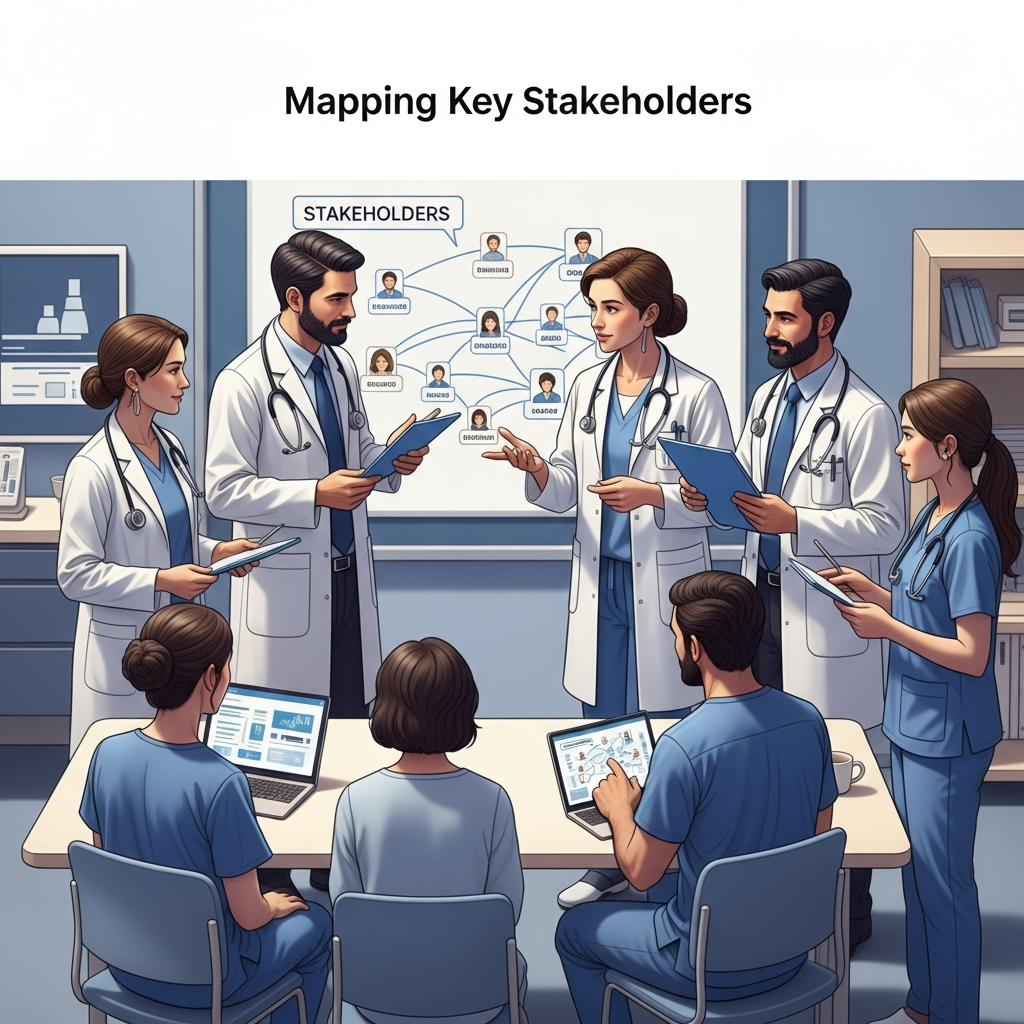 Creating a structured stakeholder network is a critical step for effective coordination within thalassemia affiliates.
Key Stakeholders:
- Hematology clinics and specialists who provide diagnosis, treatment planning, and long-term monitoring for patients with thalassemia
- Blood transfusion centers that ensure a consistent and safe supply of blood for patients requiring regular transfusions
- Genetic counseling services that help families understand inheritance patterns, risks, and preventive strategies
- Universities and research institutions that contribute advanced research, innovation, and access to emerging therapies
- Patient advocacy groups and NGOs that drive awareness campaigns, provide emotional support, and connect communities
- Community volunteers and local leaders who help organize grassroots outreach activities and build trust at the local level
Stakeholder Mapping Overview
| Stakeholder Type | Role | Benefit |
|---|---|---|
| Clinics & Hospitals | Diagnosis & treatment | Improved patient care |
| Blood Centers | Transfusion support | Continuity of care |
| Universities | Research & innovation | Access to new treatments |
| NGOs | Community outreach | Wider awareness |
| Volunteers | Local engagement | Strong grassroots support |
Building Referral Pathways
Efficient referral systems ensure patients receive timely care and support through thalassemia affiliates.
Key Components:
- Developing standardized referral forms and clear clinical protocols that ensure smooth communication between healthcare providers and affiliates
- Establishing strong coordination between clinics, hospitals, and support organizations to minimize delays in diagnosis and treatment
- Creating digital directories that list available services, specialists, and facilities for easy access by patients and providers
- Implementing structured patient intake and follow-up systems to track progress and ensure continuity of care
Benefits:
- Faster access to accurate diagnosis and appropriate treatment plans for patients
- Reduced delays and confusion in navigating healthcare systems
- Improved coordination and collaboration among healthcare providers and outreach teams
Establishing Collaborative Forums
Regular collaboration strengthens relationships and keeps thalassemia affiliates aligned with evolving needs.
Best Practices:
- Organizing quarterly stakeholder meetings where partners can discuss challenges, share updates, and plan future initiatives together
- Hosting regular webinars featuring healthcare professionals and researchers to provide updated knowledge on treatment and management
- Sharing funding opportunities, outreach results, and success stories to maintain transparency and engagement
- Utilizing digital platforms like Zoom or Microsoft Teams to ensure consistent communication regardless of location
Outcomes:
- Stronger coordination and trust among all partners involved in thalassemia affiliates
- Faster identification and resolution of challenges through shared problem-solving
- Continuous knowledge exchange that improves program quality and patient outcomes
Collaboration Framework
| Activity | Frequency | Outcome |
|---|---|---|
| Stakeholder Meetings | Quarterly | Strong partnerships |
| Webinars | Monthly | Knowledge sharing |
| Reports & Updates | Ongoing | Transparency |
| Joint Planning | Annual | Strategic growth |
Crafting Mission, Vision, and Governance
 A compelling mission and a clear governance framework form the backbone of every successful thalassemia affiliate. The mission defines purpose, the vision sets long-term direction, and governance ensures accountability and sustainability. Together, these elements guide strategy, strengthen leadership, and improve overall program effectiveness.
Defining Mission and Vision
Creating strong mission and vision statements helps align all activities within thalassemia affiliates.
Key Steps:
- Conduct collaborative workshops with leadership teams to define purpose and long-term goals in a clear and inspiring way
- Ensure the mission statement clearly explains who you serve, what you do, and how you create impact within thalassemia communities
- Develop a vision statement that reflects long-term aspirations such as improved patient care, awareness, and access to treatment
- Keep statements concise yet flexible enough to adapt as the affiliate grows and expands its services
Example:
- Mission: Empower individuals with thalassemia through education, advocacy, and accessible care
- Vision: A future where every patient receives comprehensive treatment and support
Mission & Vision Framework
| Element | Purpose | Outcome |
|---|---|---|
| Mission | Defines core purpose | Clear direction |
| Vision | Sets long-term goals | Strategic growth |
| Values | Guides actions | Consistency |
| Strategy | Drives execution | Measurable impact |
Establishing a Governance Structure
Strong governance ensures transparency, accountability, and effective decision-making in thalassemia affiliates.
Key Components:
- Establish a board of directors responsible for oversight, strategic direction, and policy approval
- Create specialized committees such as finance, communications, events, and patient support to manage operations efficiently
- Develop written bylaws outlining roles, responsibilities, election processes, and term limits
- Implement conflict-of-interest policies to maintain ethical standards and organizational integrity
Benefits:
- Clear leadership roles and responsibilities
- Improved accountability and transparency
- Smooth onboarding of new leaders and volunteers
Governance Structure Overview
| Role | Responsibility | Benefit |
|---|---|---|
| Board of Directors | Strategic oversight | Strong leadership |
| Committees | Operational management | Efficiency |
| Policies | Governance rules | Transparency |
| Bylaws | Structural framework | Stability |
Building Leadership Capacity
Sustainable growth in thalassemia affiliates depends on continuous leadership development.
Key Strategies:
- Provide training on nonprofit management, fundraising, and compliance to strengthen leadership capabilities
- Partner with universities and nonprofit organizations to deliver structured workshops and mentorship programs
- Encourage knowledge sharing among leaders to build collective expertise and confidence
- Recognize achievements through awards, certifications, and public acknowledgment to motivate ongoing contributions
Ensuring Financial Oversight
Financial transparency is critical for maintaining trust and ensuring long-term sustainability.
Key Practices:
- Develop clear budgeting and expense approval policies to control financial operations effectively
- Use nonprofit accounting tools to maintain accurate and organized financial records
- Conduct regular audits and quarterly financial reviews to monitor performance and accountability
- Share financial reports with stakeholders to ensure transparency and build trust
Financial Management Framework
| Area | Action | Outcome |
|---|---|---|
| Budgeting | Plan income & expenses | Financial control |
| Accounting | Track transactions | Accuracy |
| Audits | Review finances | Transparency |
| Reporting | Share updates | Stakeholder trust |
Innovative Fundraising and Community Engagement
Securing sufficient resources underpins every initiative of a Thalassemia affiliate. By combining traditional and digital fundraising approaches with targeted community engagement, you can diversify revenue streams, boost outreach, and strengthen local ties.
Peer-to-Peer Campaigns
Activate passionate supporters to run individual fundraising pages on platforms like GoFundMe or Classy. Provide branded graphics, sample messaging, and progress-tracking dashboards. Incentivize participation through friendly competitions—recognizing top fundraisers in newsletters or on social media. Personal stories from patients or caregivers add authenticity, motivating donors who connect with real-life experiences.
Virtual and Hybrid Events
Host webinars featuring leading medical experts, patient panels, or lifestyle demonstrations tailored to those living with thalassemia. Charge modest registration fees or suggest donation tiers. Incorporate interactive elements—live Q&A, polling, virtual breakout rooms—to foster engagement. For hybrid events, stream local walks or health fairs online, allowing supporters beyond your region to participate.
Corporate Partnerships and Grants
Research healthcare foundations, pharmaceutical companies, and government agencies that fund rare disease initiatives. Craft grant proposals that highlight your affiliate’s local impact, evidence-based outcomes, and sustainability plans. For corporate sponsorships, offer branding opportunities—event naming rights, logo placements on promotional materials, and guest speaking slots.
School and University Outreach
Partner with student clubs, biology departments, and Greek organizations to organize blood drives, poster contests, or awareness presentations. Offer service-learning credits or volunteer hours to incentivize participation. These campus collaborations not only raise awareness but also cultivate the next generation of advocates for your Thalassemia affiliate.
Measuring Engagement
Track performance metrics—funds raised per campaign, donor retention rates, event attendance, social media reach, and school participation. Use dashboards in Google Analytics, Facebook Insights, and email marketing tools to visualize trends. Continuously refine your approach based on data, redistributing resources to the most effective channels.
By blending creative fundraising tactics with strategic community engagement, your Thalassemia affiliate will secure vital resources, expand its support network, and foster a culture of collective impact.
Harnessing Digital Tools and Showcasing Success Stories
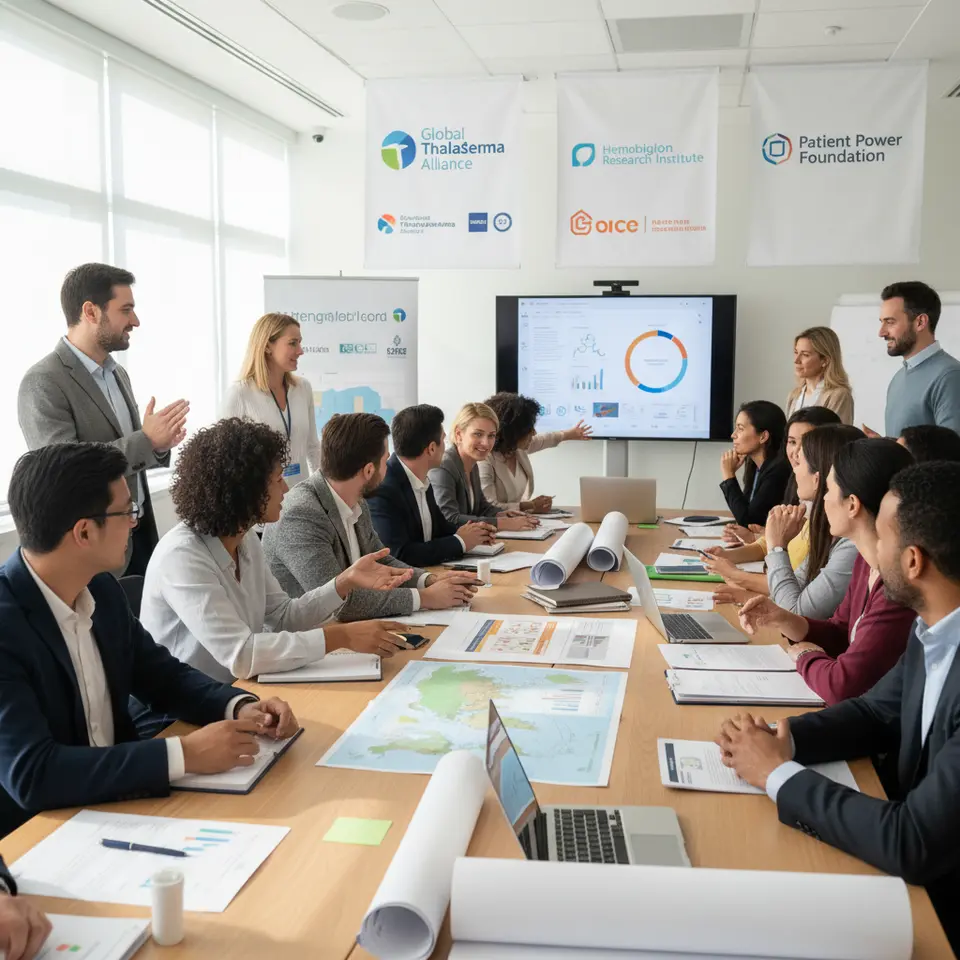
![[object Object]](https://thalassemiaawarenet.link/wp-content/uploads/2026/04/empowering-thalassemia-affiliates-key-strategies-a-image-2.webp) Digital platforms offer powerful opportunities to streamline operations, improve communication, and expand the reach of thalassemia affiliates. Alongside this, sharing real-life success stories helps humanize the mission and build stronger emotional connections with supporters.
Digital platforms offer powerful opportunities to streamline operations, improve communication, and expand the reach of thalassemia affiliates. Alongside this, sharing real-life success stories helps humanize the mission and build stronger emotional connections with supporters.
Implementing CRM and Membership Software
Modern CRM systems help thalassemia affiliates manage data efficiently while improving engagement with donors, volunteers, and patients.
Key Functions:
- Centralizing donor, volunteer, and patient information in a secure and organized system for easier tracking and management
- Automating event registrations, reminders, and follow-up communications to reduce manual workload and improve efficiency
- Sending personalized thank-you messages and targeted campaign updates to strengthen relationships and engagement
- Managing membership renewals and tracking participation to ensure long-term supporter retention
Common Tools:
Salesforce Nonprofit Cloud, NeonCRM, and Wild Apricot are widely used solutions that support nonprofit operations and donor engagement.
Building an Engaging Website
A well-designed website acts as the central hub for all thalassemia affiliate activities, information, and outreach.
Key Elements:
- Using flexible CMS platforms like WordPress to build and manage content easily
- Adding donation systems, blogs, and educational resources for patients and supporters
- Publishing regular updates on treatment advances, awareness campaigns, and community events
- Optimizing SEO by using relevant keywords such as “thalassemia affiliate” in headings, metadata, and image descriptions
- Ensuring mobile-friendly design for better accessibility across devices
A strong website improves visibility, credibility, and engagement with the wider community.
Virtual Support and Telehealth Integration
Digital healthcare tools expand access to medical and emotional support for patients regardless of location.
Key Applications:
- Hosting virtual support groups through platforms like Zoom or Microsoft Teams for patients and caregivers
- Conducting online counseling sessions and educational webinars with healthcare professionals
- Integrating telehealth services for remote consultations with genetic counselors and hematologists
- Supporting continuous care for patients in remote or underserved areas
These tools improve accessibility and ensure consistent support for thalassemia patients.
Showcasing Real-Life Impact
Sharing authentic success stories strengthens trust and inspires ongoing support for thalassemia affiliates.
Best Practices:
- Creating structured case studies that include background, intervention, and outcomes
- Including patient or caregiver testimonials to provide a personal and emotional perspective
- Using photos and short videos to enhance storytelling on social media and newsletters
- Following privacy and consent guidelines before publishing any patient-related content
Well-documented stories help demonstrate real-world impact and encourage community involvement.
Data-Driven Reporting
Analytics tools help thalassemia affiliates measure performance, improve decision-making, and maintain transparency.
Key Practices:
- Using tools like Google Analytics to track website traffic and user behavior
- Monitoring social media insights to understand engagement and reach
- Reviewing email campaign performance to improve communication strategies
- Tracking key indicators such as patient reach, fundraising performance, volunteer participation, and engagement levels
Regular reporting ensures accountability and helps refine future strategies.
Overcoming Challenges and Planning for Sustainable Growth
 Every Thalassemia affiliate faces obstacles—from volunteer burnout and budget constraints to shifting public interest. Proactive strategies and forward-thinking planning enable affiliates to navigate these challenges and scale impact effectively.
Volunteer Recruitment and Retention
Prevent burnout by clearly defining volunteer roles, rotating responsibilities, and offering training sessions. Establish a recognition program—monthly shout-outs on social media, volunteer appreciation events, or certificates of achievement. Providing meaningful opportunities, such as leadership roles on committees, helps retain dedicated individuals.
Financial Diversification
Reduce reliance on any single revenue source by diversifying funding streams: membership dues, corporate sponsorships, grants, merchandise sales, and online campaigns. Reinvest a portion of unrestricted funds into a reserve account to weather unexpected downturns or emergency needs.
Maintaining Public Interest
Inject novelty into annual events by testing new formats—virtual reality health fairs, interactive webinars, or collaborative campaigns with other rare disease organizations. Survey your audience to identify topics of greatest relevance, and schedule periodic strategic retreats to incorporate fresh ideas.
Regulatory Compliance and Risk Management
Stay current with nonprofit regulations—fundraising permits, financial audits, data privacy statutes, and insurance requirements. Engage legal counsel or partner with nonprofit resource centers for annual compliance reviews. A robust risk management plan, including crisis communication protocols, ensures your affiliate can respond swiftly to unforeseen events.
Strategic Planning for Growth
Every two to three years, convene key stakeholders for a strategic planning session that evaluates progress, emerging trends in thalassemia research, and community needs. Explore opportunities for regional expansion, satellite chapters, or specialized programs—such as youth leadership councils or mental health support initiatives. Mentor future leaders to secure a pipeline of skilled advocates ready to guide growth.
Through thoughtful challenge mitigation and long-term planning, your Thalassemia affiliate will build a nimble, resilient organization capable of sustaining impact and adapting to future demands.