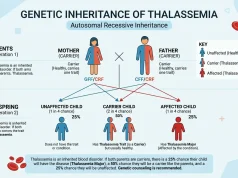
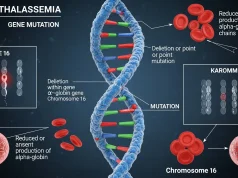
Digital Advocacy for Thalassemia focuses on using social media and online platforms to raise awareness, educate the public, and support patients living with thalassemia. It helps organizations and individuals share information, promote blood donation, encourage early diagnosis, and connect global communities. Through digital campaigns, hashtags, and storytelling, it strengthens support networks and improves visibility for thalassemia-related causes.
Living with a chronic genetic blood disorder presents daily challenges that most people never have to consider. Thalassemia requires frequent medical interventions, rigorous monitoring, and profound emotional resilience. Yet, despite its global prevalence, public awareness of this condition remains surprisingly low. This lack of understanding often translates into inadequate funding, isolated patients, and a shortage of vital resources like consistent blood donations.
Advocacy bridges the gap between silent struggles and public support. When patients, families, and healthcare professionals raise their voices, they influence policy changes and improve healthcare access. Historically, this meant organizing local town halls, distributing physical pamphlets, and relying on traditional media coverage. These methods, while effective locally, often struggled to reach the critical mass needed for systemic change on a national or global level.
The internet has revolutionized how we spread information and build communities. Digital Advocacy For Thalassemia empowers anyone with a smartphone or computer to share their story, educate the public, and raise essential funds. This comprehensive guide explores how to build a powerful Digital Advocacy For Thalassemia strategy, ensuring that the voices of those affected by this condition are heard loud and clear.
Understanding Digital Advocacy for Thalassemia
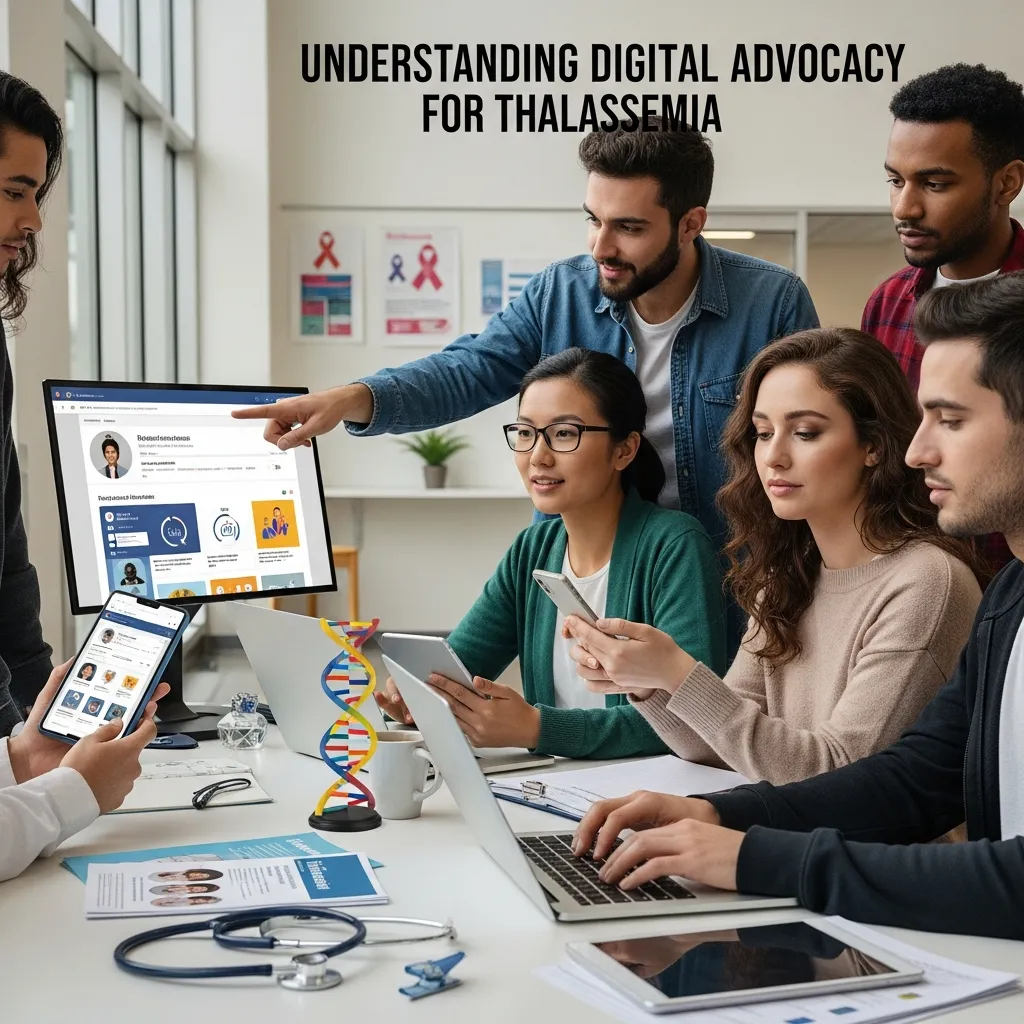
Advocacy is no longer confined to physical spaces. Digital Advocacy For Thalassemia leverages online tools to mobilize public support, influence decision-makers, and educate the masses.
Defining Digital Advocacy
At its core, Digital Advocacy For Thalassemia involves using internet-based technologies to create momentum around a specific cause. For genetic blood disorders, this means utilizing social media, email campaigns, websites, and virtual events to spread awareness. Instead of waiting for traditional media to pick up a story, advocates become their own publishers. They can instantly reach thousands of people, sharing vital medical information and deeply personal narratives with a simple click.
Key Components of a Digital Advocacy Strategy
A successful online movement requires more than just posting occasional updates. It demands a structured approach. First, advocates need a clear, unifying message. Second, they must identify their target audience—whether that includes potential blood donors, policymakers, or newly diagnosed families. Finally, a strong strategy utilizes a mix of platforms. A well-designed website acts as a central hub for information, while social media channels drive engagement and email newsletters maintain long-term relationships with supporters in Digital Advocacy For Thalassemia efforts.
Benefits of Digital Advocacy in Healthcare
The shift to digital platforms offers unparalleled advantages. The primary benefit is reach; a well-crafted video explaining alpha thalassemia trait symptoms can educate viewers across the globe in a matter of hours. Digital advocacy is also incredibly cost-effective. Small non-profits and individual advocates can launch campaigns with minimal financial investment. Furthermore, online platforms foster immediate connection. Patients facing rare complications can instantly find and support one another, breaking down the walls of isolation that so often accompany chronic illness.
Strategies for Effective Digital Advocacy for Thalassemia
Creating a digital movement requires consistent effort and a diverse set of tactics. Here is how organizations and individuals can build a robust online presence using Digital Advocacy For Thalassemia.
Building an Online Presence
Your digital footprint is the foundation of your advocacy work in Digital Advocacy For Thalassemia.
Website and Blog Development
A dedicated website serves as the anchor for all your advocacy efforts. It should house accurate medical information, resource directories, and ways for visitors to get involved. Regularly updating a blog with stories, medical breakthroughs, and advocacy updates keeps the site relevant and improves search engine visibility, strengthening Digital Advocacy For Thalassemia impact.
Social Media Engagement
Social media platforms are the megaphones of the internet. Facebook groups provide safe spaces for patient support, while platforms like Instagram and TikTok are perfect for short, highly visual educational content. Consistent posting, responding to comments, and participating in relevant conversations keep your audience engaged and expand Digital Advocacy For Thalassemia reach.
Email Marketing
While social media algorithms change frequently, you own your email list. Sending regular newsletters allows you to communicate directly with your most dedicated supporters. Use email to share legislative updates, request donations, and highlight upcoming virtual events as part of Digital Advocacy For Thalassemia strategies.
Content Creation and Storytelling
Facts and statistics inform people, but stories inspire them to act.
Sharing Personal Stories
The most powerful tool in digital advocacy for thalassemia is the human experience. When a patient shares the reality of sitting through a blood transfusion or the anxiety of waiting for test results, the condition becomes real to the public. These narratives build empathy and compel audiences to support the cause.
Educational Content
Misinformation surrounding genetic disorders is rampant. Advocates must counter this by publishing clear, medically accurate content. Creating easy-to-understand guides about inheritance patterns, iron chelation therapy, and carrier screening empowers the public and helps newly diagnosed families navigate their journey. Connecting with thalassemia affiliates can help amplify this educational content across broader networks.
Visual Storytelling (Infographics, Videos)
Medical jargon often overwhelms the average reader. Infographics simplify complex concepts, making data easily digestible and highly shareable. Short-form videos featuring patient testimonials or interviews with hematologists generate high engagement rates and are favored by social media algorithms.
Community Building and Engagement
 Advocacy is a collective effort. Building a strong community ensures long-term sustainability in Digital Advocacy For Thalassemia.
Online Support Groups
Living with a chronic illness is exhausting. Private online forums and Facebook groups offer a lifeline to patients and caregivers. These spaces allow individuals to share practical advice, vent their frustrations, and celebrate small victories with people who truly understand their daily reality, strengthening Digital Advocacy For Thalassemia communities.
Interactive Forums
Hosting live Q&A sessions with medical experts or advocacy leaders encourages active participation. These interactive formats allow community members to get immediate answers to pressing questions, fostering a sense of belonging and trust within Digital Advocacy For Thalassemia efforts.
Influencer Collaboration
Partnering with digital influencers can exponentially increase your reach. While you might seek out influencers who have a personal connection to blood disorders, even broader health and wellness advocates can help amplify your message to entirely new audiences and expand Digital Advocacy For Thalassemia impact.
Fundraising and Awareness Campaigns
Sustaining advocacy work and supporting research requires financial backing.
Online Fundraising Platforms
Crowdfunding sites make it incredibly easy for supporters to contribute financially. Setting clear fundraising goals—such as raising money for a specific research grant or helping families cover medical travel costs—gives donors a tangible sense of impact. Utilizing proven thalassemia fundraising strategies can significantly boost your campaign’s success.
Hashtag Campaigns
Creating a unique, memorable hashtag aggregates all your campaign content in one place. It encourages supporters to share their own photos and stories, creating a viral effect that raises massive awareness during key periods, such as International Thalassemia Day.
Virtual Events
The pandemic proved that physical distance does not stop community action. Virtual walks, online galas, and digital medical conferences allow people from all over the world to participate, learn, and donate without leaving their homes.
Leveraging Technology for Thalassemia Advocacy
Technology provides the tools to execute your strategies with precision and scale.
Social Media Platforms
Different platforms serve different purposes. Facebook is ideal for community building and long-form updates. Twitter excels at real-time legislative advocacy and connecting with journalists. Instagram and TikTok are visual powerhouses, perfect for engaging younger demographics and spreading quick, impactful educational messages.
Website Analytics and SEO
Building a website is only the first step; people need to find it. Search Engine Optimization (SEO) ensures that when someone searches for information about genetic blood disorders, your advocacy site appears at the top of the results. By utilizing tools like Google Analytics, advocates can track which articles are most popular, how long visitors stay on the site, and where their traffic originates. This data allows organizations to refine their content and focus on what truly resonates with their audience.
Online Advertising and Targeting
Organic reach has its limits. Paid online advertising, such as Google Grants for non-profits or targeted Facebook ads, allows campaigns to reach specific demographics. For example, an organization could run localized ads to increase blood donations in a specific city facing a shortage, or target medical professionals with updates on new treatment protocols.
Mobile Applications and Telemedicine
Mobile apps designed for patients help them track transfusion schedules, monitor iron levels, and manage daily medications. Advocacy organizations can partner with developers to ensure these tools remain accessible. Additionally, the rise of telemedicine allows patients in remote areas to consult with leading hematologists, effectively breaking down geographic barriers to specialized care.
Challenges and Ethical Considerations in Digital Advocacy
 While the digital landscape offers incredible opportunities, it also presents unique hurdles that advocates must navigate carefully.
Misinformation and Disinformation
The internet is flooded with unverified medical advice. In the context of a severe genetic disorder, following incorrect treatment protocols can be life-threatening. Advocates carry the heavy responsibility of ensuring every piece of information they share is fact-checked and backed by reputable medical sources, such as the Centers for Disease Control and Prevention.
Privacy and Data Security
Sharing personal medical journeys requires immense vulnerability. Organizations must fiercely protect the privacy of their community members. This means securing explicit consent before sharing a patient’s story or photo, and utilizing secure platforms to manage donor data and email lists.
Digital Divide
Not everyone has reliable internet access or a smartphone. Relying solely on digital advocacy risks excluding vulnerable populations, particularly those in developing nations or rural areas. Organizations must find ways to bridge this gap, perhaps by partnering with local clinics to distribute printed versions of their digital resources.
Ensuring Inclusivity and Accessibility
Digital content must be accessible to everyone. This involves adding closed captions to all videos for the hearing impaired, using high-contrast colors on websites for those with visual impairments, and ensuring that information is available in multiple languages to support diverse global communities.
Measuring the Impact of Digital Advocacy Efforts
To ensure long-term success, advocates must evaluate what works and what falls flat in Digital Advocacy For Thalassemia initiatives. Continuous measurement helps refine messaging, improve outreach, and maximize impact across all digital platforms.
Key Performance Indicators (KPIs)
Metrics matter in Digital Advocacy For Thalassemia campaigns. Track the number of website visitors, social media engagement rates (likes, comments, shares), and email open rates. For fundraising campaigns, monitor the average donation size and the conversion rate of your landing pages. These indicators show how effectively your Digital Advocacy For Thalassemia efforts are reaching and influencing audiences, while also highlighting areas that need improvement.
Tools for Tracking Engagement and Reach
Platforms like Hootsuite, Sprout Social, and Google Analytics provide detailed dashboards that break down audience behavior. These tools reveal which specific posts drove the most traffic or resulted in the highest number of petition signatures, allowing you to replicate successful tactics within Digital Advocacy For Thalassemia strategies. Social listening tools can also help identify trending conversations related to thalassemia awareness.
Improving Strategy Through Data
Data should guide every decision in Digital Advocacy For Thalassemia. By analyzing trends, advocates can identify the most engaging content formats, optimal posting times, and audience preferences. This ensures campaigns remain relevant, impactful, and continuously improving over time.
Long-Term Optimization and Growth
Over time, consistent tracking allows organizations to build stronger advocacy systems. Successful Digital Advocacy For Thalassemia campaigns evolve based on real-world feedback, helping advocates scale their reach, strengthen community engagement, and increase awareness on a global level.
Case Studies of Successful Digital Advocacy Campaigns
Studying successful movements provides a blueprint for your own efforts. Review how organizations like the Cooley’s Anemia Foundation utilize digital challenges and online donor drives to mobilize their base. Analyzing their messaging, timing, and platform usage can offer invaluable insights for your specific initiatives.
The Future of Online Thalassemia Support
 The digital landscape continues to evolve, offering new ways to connect and enact change. Digital Advocacy For Thalassemia has already proven its ability to educate the public, comfort the newly diagnosed, and raise critical funds for research. It breaks down geographic barriers, uniting a global community under a shared purpose through Digital Advocacy For Thalassemia initiatives.
If you are passionate about improving the lives of those affected by genetic blood disorders, the time to act is now. Start by sharing a single educational post, signing an online petition, or subscribing to an advocacy newsletter. Every digital action builds momentum. Through sustained, strategic online efforts in Digital Advocacy For Thalassemia, we can ensure that every patient receives the care, support, and recognition they deserve.
Conclusion
Digital Advocacy For Thalassemia plays a powerful role in transforming awareness, support, and action for individuals affected by genetic blood disorders. By using social media, websites, email campaigns, and online communities, advocates can educate the public, support patients, and influence meaningful change. With consistent effort and collaboration, Digital Advocacy For Thalassemia helps bridge the gap between medical challenges and global support, ensuring better care, stronger communities, and increased hope for the future.
FAQ
1. What is Digital Advocacy For Thalassemia?
Digital Advocacy For Thalassemia is the use of online platforms to raise awareness, educate people, and support patients with thalassemia.
2. Why is Digital Advocacy For Thalassemia important?
It helps spread awareness globally, increases blood donation support, and improves understanding of thalassemia.
3. Which platforms are best for Digital Advocacy For Thalassemia?
Social media platforms like Facebook, Instagram, TikTok, and websites are commonly used.
4. How does social media help Digital Advocacy For Thalassemia?
It allows quick sharing of stories, awareness posts, and educational content to reach large audiences.
5. Can Digital Advocacy For Thalassemia help patients directly?
Yes, it connects patients with support groups, resources, and helpful medical information.
6. What type of content works best for Digital Advocacy For Thalassemia?
Personal stories, educational posts, infographics, and awareness campaigns are highly effective.
7. How can I start Digital Advocacy For Thalassemia?
You can begin by sharing posts, joining advocacy groups, or creating awareness content online.
8. Does Digital Advocacy For Thalassemia require medical knowledge?
Basic understanding helps, but collaboration with medical experts improves accuracy.
9. Can influencers support Digital Advocacy For Thalassemia?
Yes, influencers can greatly expand reach and raise awareness among new audiences.
10. What is the future of Digital Advocacy For Thalassemia?
It is expected to grow with technology, improving global awareness, funding, and patient support networks.