Home Thalassemia Awareness HBA1 AND HBA2 GENE FUNCTION: COMPLETE GENETIC GUIDE

HBA1 AND HBA2 GENE FUNCTION: COMPLETE GENETIC GUIDE

16
0
HBA1 and HBA2 Gene Function

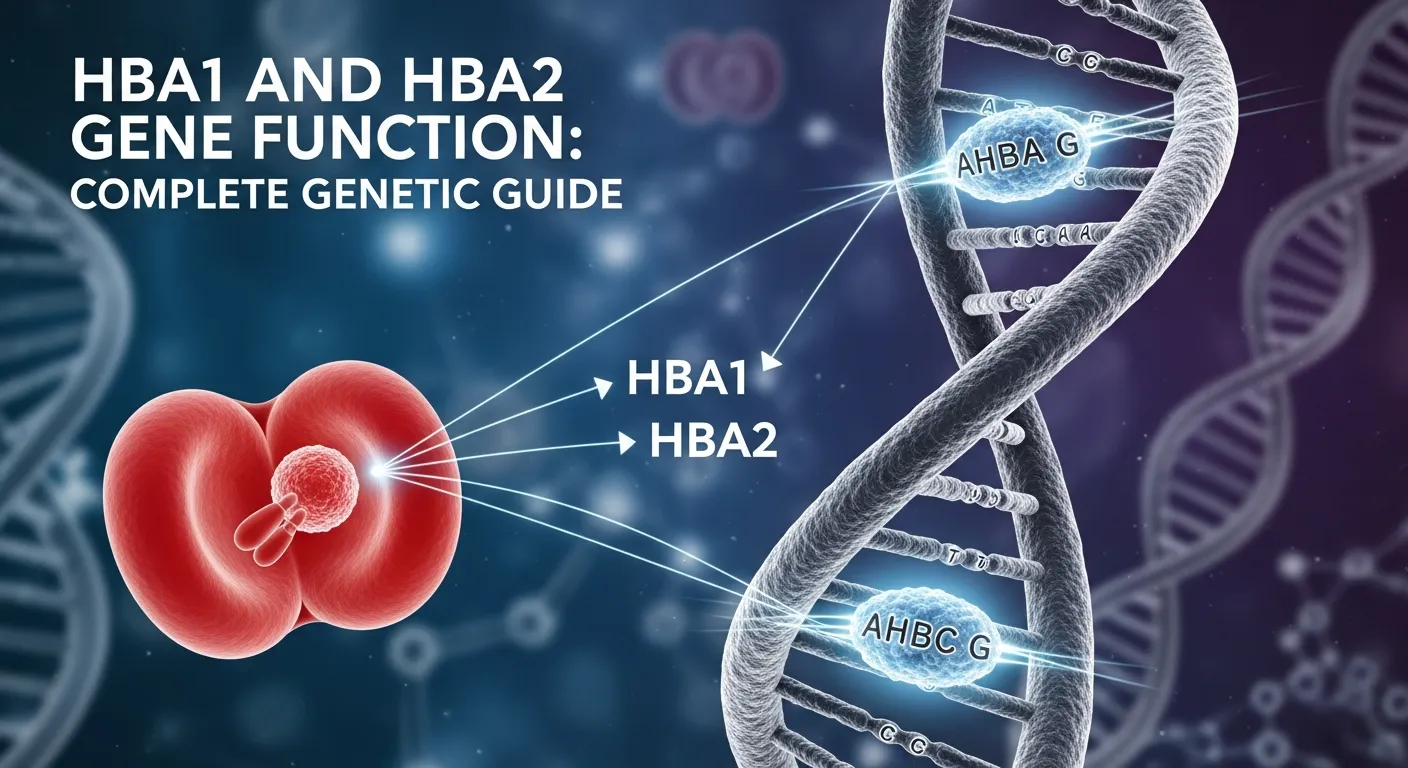
HBA1 and HBA2 gene function controls alpha globin production, essential for hemoglobin synthesis, oxygen transport, and blood health. Mutations can lead to alpha thalassemia and related genetic blood disorders affecting red blood cell formation and function.

The HBA1 and HBA2 gene function is fundamental to understanding how human blood carries oxygen throughout the body. These two genes are responsible for producing alpha globin chains, which are essential components of hemoglobin. Hemoglobin is the protein in red blood cells that binds oxygen in the lungs and delivers it to tissues and organs.

Without proper HBA1 and HBA2 gene function, the body cannot produce normal hemoglobin, leading to disorders such as alpha thalassemia and other inherited blood diseases. These genes play a critical role in maintaining oxygen balance, energy production, and overall cellular health.

Understanding the HBA1 and HBA2 gene function is essential for students, researchers, and individuals studying genetic blood disorders because even small mutations in these genes can significantly impact health.

What Are HBA1 and HBA2 Genes?

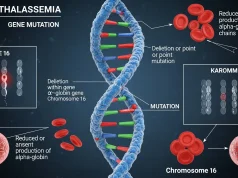
The HBA1 and HBA2 gene function is directly related to the production of alpha globin chains. Both genes are located on chromosome 16 and work together to produce identical alpha globin proteins.

  • HBA1 gene produces one form of alpha globin
  • HBA2 gene produces another identical form of alpha globin

Although they produce similar proteins, both genes are necessary for maintaining balanced hemoglobin production.

The HBA1 gene’s role in hemoglobin production is to ensure continuous synthesis of alpha globin chains during red blood cell formation, while HBA2 acts as a backup and supportive gene to maintain stability.

How HBA1 and HBA2 Genes Work in Hemoglobin Production
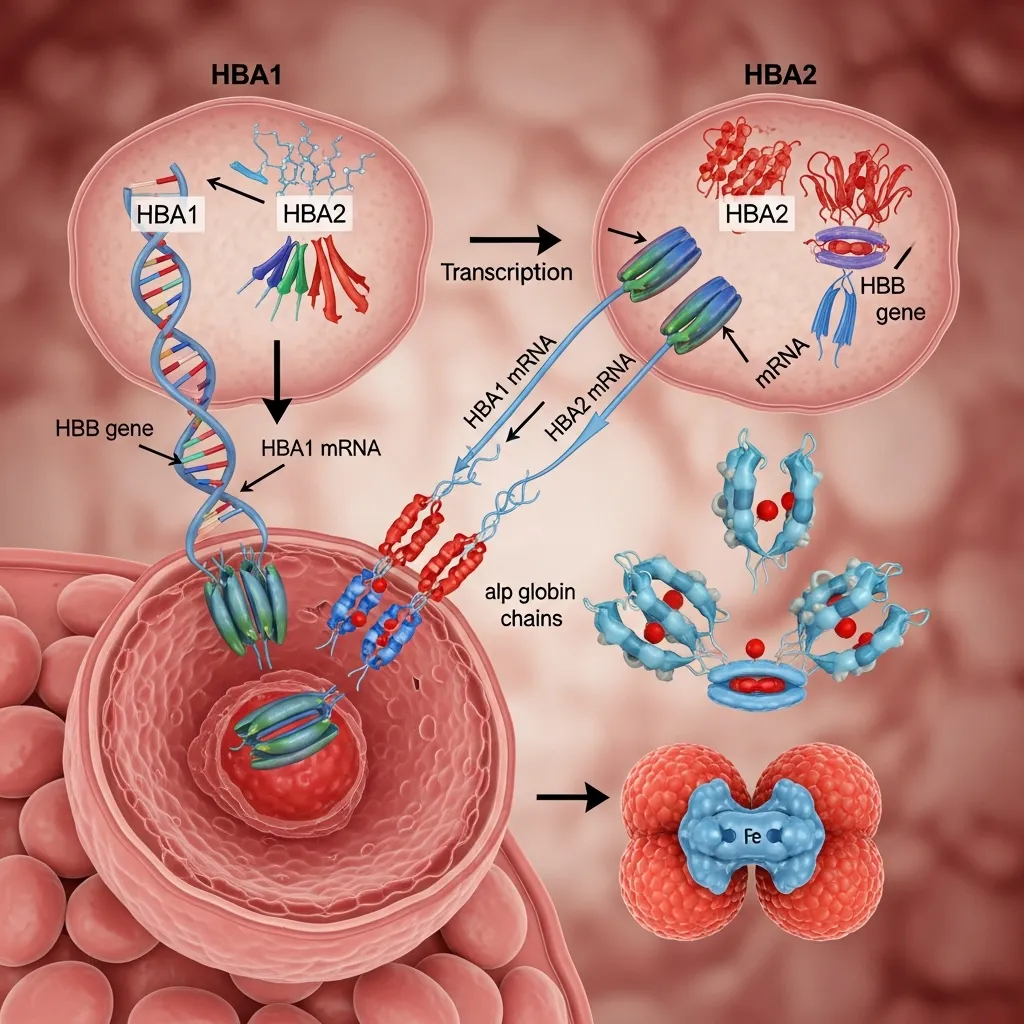
HBA1 and HBA2 genes in hemoglobin productionThe HBA1 and HBA2 gene function becomes active during red blood cell formation in the bone marrow. These genes instruct cells to produce alpha globin chains, which combine with beta globin chains to form hemoglobin A (HbA), the most common type of hemoglobin in adults.

Without proper functioning of these genes, the balance between alpha and beta chains is disrupted, leading to unstable hemoglobin formation.

Key process includes:

  • Gene activation in bone marrow
  • Production of alpha globin chains
  • Combination with beta globin chains
  • Formation of functional hemoglobin
  • Oxygen transport through the bloodstream

The alpha globin gene’s function in hemoglobin synthesis is essential for maintaining this balance and ensuring efficient oxygen delivery.
HBA1 Gene Role in Hemoglobin Production

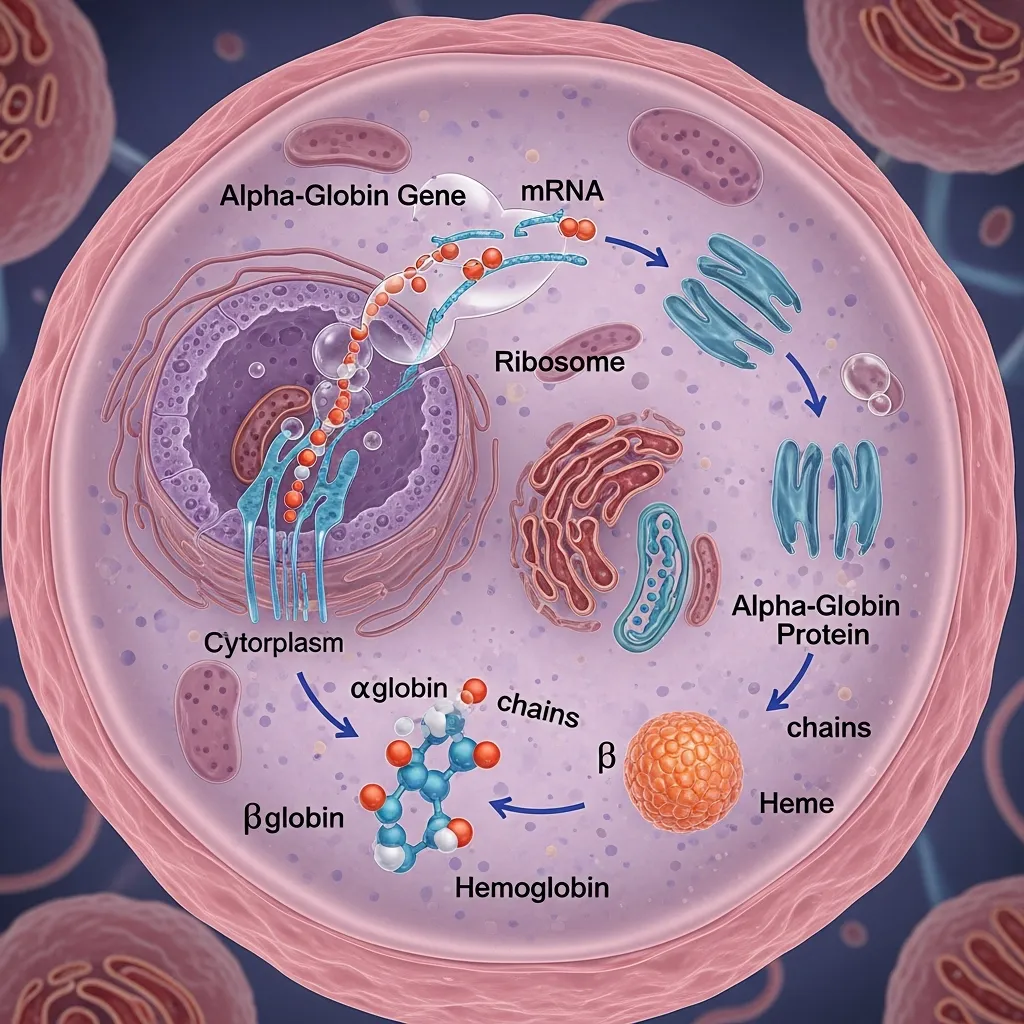
The HBA1 gene role in hemoglobin production is extremely important because it ensures the continuous synthesis of alpha globin chains throughout a person’s life cycle, from early development to adulthood. These alpha globin chains are essential building blocks of hemoglobin, the protein responsible for carrying oxygen in red blood cells. The HBA1 gene works in coordination with other globin genes to maintain a balanced production of hemoglobin, ensuring that red blood cells can function properly and deliver oxygen efficiently to all tissues and organs in the body.

This gene is highly active during adulthood, where it plays a major role in maintaining stable hemoglobin levels and supporting normal red blood cell formation in the bone marrow. When the HBA1 gene role in hemoglobin production correctly, the body is able to produce healthy red blood cells with proper structure and stability. This ensures that oxygen transport remains efficient, energy levels are maintained, and overall cellular function is not disrupted. In a healthy system, hemoglobin remains structurally stable, allowing smooth circulation and optimal oxygen delivery throughout the body.

However, when mutations, deletions, or functional defects occur in the HBA1 gene, the production of alpha globin chains becomes reduced or imbalanced. This disruption affects the overall hemoglobin structure and can lead to unstable red blood cells that are more prone to breakdown. As a result, individuals may develop mild or even severe forms of alpha thalassemia, depending on the extent of gene damage and how many gene copies are affected. These changes directly impact the body’s ability to maintain normal oxygen levels, often leading to symptoms of anemia.

HBA2 Gene Mutation Effects

The HBA2 gene mutation effects can be even more significant, especially in cases where both copies of the gene are affected or when combined with HBA1 gene abnormalities. Since the HBA2 gene also contributes to the production of alpha globin chains, any mutation or deletion in this gene can further reduce the overall availability of alpha globin. This creates a more severe imbalance in hemoglobin composition and disrupts normal red blood cell formation.

When HBA2 gene function is impaired, the body experiences a noticeable decline in proper hemoglobin synthesis. This leads to a cascade of effects that directly influence blood health and oxygen transport efficiency. One of the most common consequences is reduced alpha globin chain production, which results in unstable hemoglobin molecules that cannot function effectively. This imbalance often causes structural abnormalities in hemoglobin, making red blood cells less stable and more likely to break down prematurely in circulation.

As the condition progresses, abnormal hemoglobin variants may begin to form, further reducing the efficiency of oxygen transport in the body. This can eventually lead to symptoms such as fatigue, weakness, and chronic anemia. The severity of these symptoms largely depends on how many gene copies are affected and whether other globin genes are functioning normally.

When both HBA1 and HBA2 genes are affected simultaneously, the impact becomes much more serious. The reduction in alpha globin production becomes more pronounced, leading to a severe imbalance in hemoglobin structure. This significantly increases the risk of developing more serious blood disorders, including different forms of alpha thalassemia, which may require long-term medical management and monitoring.

Alpha Globin Gene Function in Hemoglobin Synthesis

Alpha Globin Gene Function In Hemoglobin SynthesisThe alpha globin gene function in hemoglobin synthesis is to ensure that alpha chains are produced in equal amounts to beta chains. This balance is essential for forming stable hemoglobin molecules.

If alpha globin production is reduced:

  • Excess beta chains accumulate
  • Abnormal hemoglobin forms
  • Red blood cells become unstable
  • Oxygen delivery decreases

This imbalance is a key cause of alpha thalassemia and related genetic blood disorders.
Genetic Importance of HBA1 and HBA2 Genes

The HBA1 and HBA2 gene function is not only important for oxygen transport but also plays a crucial role in maintaining overall genetic stability during blood cell formation. These genes ensure the proper development and maturation of red blood cells from the earliest stages in the bone marrow. By regulating the production of alpha globin chains, they help maintain the correct balance of hemoglobin structure, which is essential for efficient oxygen delivery throughout the body. When these genes function normally, red blood cells develop in a stable and controlled manner, supporting healthy circulation and overall physiological balance.

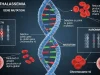
Any mutation, deletion, or functional defect in these genes can disrupt this delicate balance and lead to a range of blood disorders. These genetic changes affect the synthesis of alpha globin chains, which in turn impacts hemoglobin stability and red blood cell survival. As a result, individuals may develop conditions such as alpha thalassemia trait, hemoglobin H disease, or in more severe cases, life-threatening anemia conditions that require ongoing medical management and monitoring.

For a deeper understanding of how these genetic changes occur, you can explore the detailed mechanism in this guide on Alpha Globin Gene Deletion Mechanism, which explains how deletions in alpha globin genes affect hemoglobin production at the molecular level.

HBA1 and HBA2 Gene Mutations and Disorders

Mutations in the HBA1 and HBA2 gene function are primarily associated with alpha thalassemia disorders, which result from reduced or absent production of alpha globin chains. The severity of these conditions largely depends on how many gene copies are affected and the extent of disruption in normal hemoglobin synthesis. When one or more gene copies are altered, the body’s ability to produce balanced hemoglobin becomes compromised, leading to varying levels of anemia and related complications.

The possible clinical conditions resulting from these mutations include a silent carrier state, where individuals show no obvious symptoms but can pass the gene mutation to their children. In the alpha thalassemia trait, mild anemia and small red blood cells may be present, but symptoms are often subtle. In more severe cases such as hemoglobin H disease, the reduction in alpha globin production leads to moderate to severe anemia with noticeable health effects. The most severe form, hydrops fetalis, occurs when all alpha globin genes are affected, resulting in a life-threatening condition even before birth.

Each of these conditions reflects the level of disruption in HBA1 and HBA2 gene function, highlighting the critical importance of these genes in maintaining healthy hemoglobin production and normal red blood cell function throughout life.

Diagnosis of HBA1 and HBA2 Gene Disorders

Genetic testing is considered the most accurate and reliable method for evaluating abnormalities in HBA1 and HBA2 gene function. Unlike routine blood tests that only show indirect signs of anemia or hemoglobin imbalance, genetic testing directly analyzes the DNA structure of these genes. This allows doctors to identify specific deletions, point mutations, or structural changes that may be responsible for disrupted alpha globin production. By detecting these genetic alterations at the molecular level, clinicians can confirm the exact cause of hemoglobin disorders with a high degree of precision.

Doctors may recommend genetic testing in several important situations where there is a higher suspicion of inherited blood disorders. One common indication is a family history of anemia or known thalassemia cases, as these conditions are often passed from parents to children. Testing is also advised when abnormal blood test results appear, especially when routine investigations show signs such as microcytic anemia or unexplained hemoglobin imbalances. In addition, individuals who experience symptoms of chronic anemia—such as persistent fatigue, weakness, or reduced oxygen capacity—may also be referred for genetic evaluation to determine whether HBA1 and HBA2 gene function abnormalities are the underlying cause.

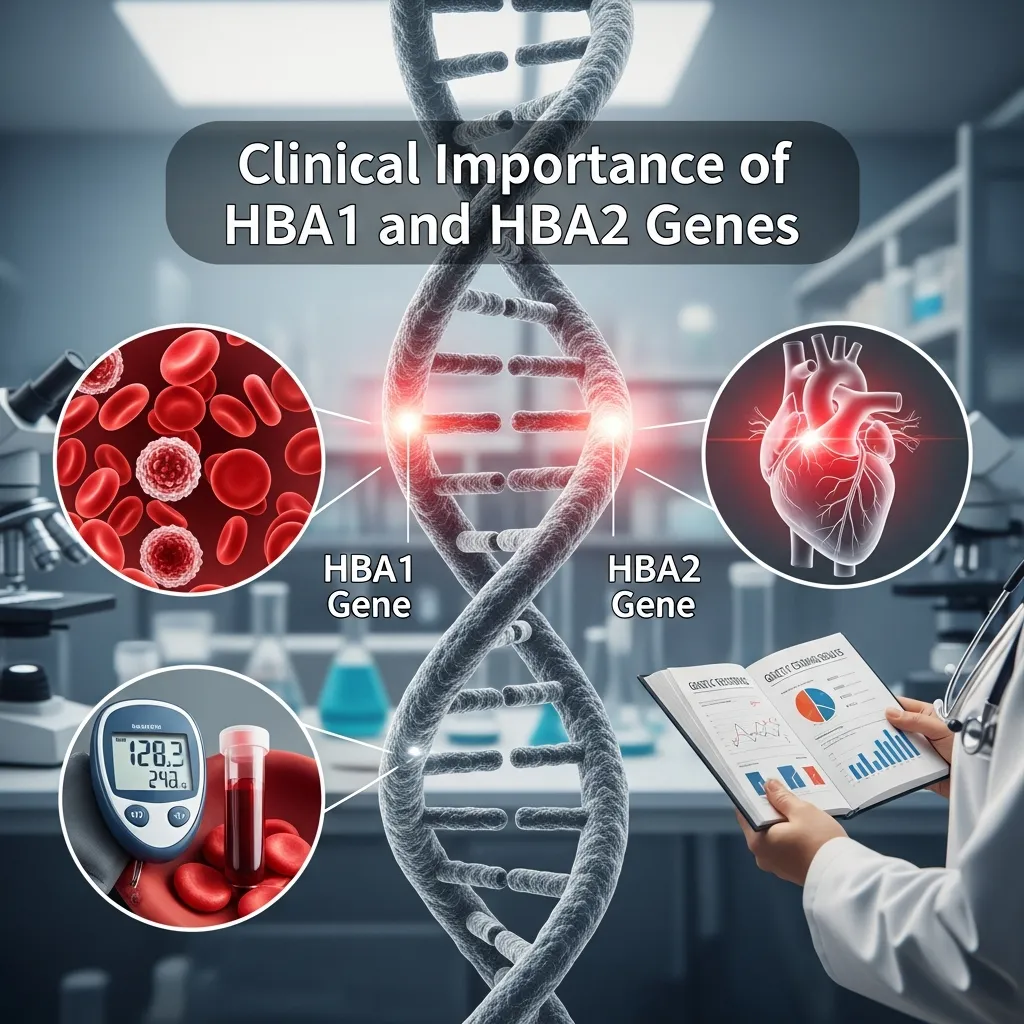
Clinical Importance of HBA1 and HBA2 Genes

Clinical importance of HBA1 and HBA2 gene functionThe HBA1 and HBA2 gene function is extremely important in clinical genetics because it directly influences hemoglobin stability and overall red blood cell health. Any disruption in these genes can result in long-term or lifelong blood disorders that require careful monitoring, ongoing management, and in some cases, specialized treatment. Since these genes are responsible for producing alpha globin chains, even small genetic changes can significantly affect the body’s ability to maintain normal hemoglobin levels and oxygen transport efficiency.

Understanding the role of these genes is essential in modern healthcare because it supports multiple aspects of medical decision-making. It helps in the early diagnosis of genetic anemia, allowing doctors to identify conditions before they become severe or cause major complications. It also plays a key role in family planning decisions, as genetic information can help parents understand the risk of passing disorders to their children. In addition, knowledge of HBA1 and HBA2 gene function is crucial for prenatal screening, where early detection of potential genetic abnormalities can guide safe pregnancy management. Finally, it supports broader disease prevention strategies by helping healthcare systems identify at-risk individuals and reduce the overall burden of inherited blood disorders in the population.

For a more detailed understanding of inherited blood conditions, you can read this guide on Genetic Blood Disorders Guide, which explains how different gene mutations affect blood health.

You may also explore Inherited Anemia Condition Guide to understand how genetic anemia develops and impacts the body over time.

Conclusion

The HBA1 and HBA2 gene function is essential for producing alpha globin chains that form hemoglobin, the oxygen-carrying protein in blood. Proper functioning of these genes ensures healthy red blood cells and efficient oxygen delivery throughout the body.

Mutations or deletions in these genes can lead to serious conditions such as alpha thalassemia and hemoglobin disorders. Therefore, understanding their role is vital for early diagnosis, prevention, and genetic counseling.

Frequently Asked Questions (FAQ)

1. What is HBA1 and HBA2 gene function?

HBA1 and HBA2 genes are responsible for producing alpha globin chains, which are essential components of hemoglobin. These chains combine with beta globin chains to form functional hemoglobin molecules in red blood cells. Proper function of these genes ensures effective oxygen transport throughout the body.

2. Where are HBA1 and HBA2 genes located?

Both HBA1 and HBA2 genes are located on chromosome 16 in humans. They exist in close proximity and work together to regulate alpha globin production. This genetic location is important for maintaining balanced hemoglobin synthesis.

3. What is HBA1 gene role in hemoglobin production?

The HBA1 gene plays a key role in producing alpha globin chains required for hemoglobin formation. It supports continuous red blood cell development and oxygen transport efficiency. Proper function of this gene ensures stable hemoglobin structure in the bloodstream.

4. What happens if HBA2 gene mutates?

If the HBA2 gene mutates, alpha globin production may decrease significantly. This imbalance can lead to unstable hemoglobin and reduced oxygen-carrying capacity. As a result, individuals may develop anemia or related blood disorders.

5. What is the alpha globin gene function in hemoglobin synthesis?

The alpha globin gene function ensures balanced production of hemoglobin chains in red blood cells. It maintains proper structure and stability of hemoglobin molecules. This balance is essential for efficient oxygen delivery to body tissues.

6. Can mutations cause disease?

Yes, mutations in HBA1 and HBA2 genes can lead to alpha thalassemia and other genetic blood disorders. These mutations affect hemoglobin production and red blood cell stability. The severity of the disease depends on the extent of gene damage.

7. How is it diagnosed?

Diagnosis is done through genetic testing and detailed blood analysis. These tests identify mutations, deletions, and hemoglobin abnormalities. They help confirm the exact type and severity of the disorder.

8. Is it inherited?

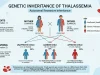
Yes, HBA1 and HBA2 gene mutations are inherited from parents. These genetic changes can be passed from one generation to the next. Inheritance patterns determine the risk of developing thalassemia.

9. Can it be treated?

There is no complete cure for genetic mutations in these genes. However, symptoms can be managed through medical care and regular monitoring. Treatment focuses on improving quality of life and managing anemia.

10. Why is it important?

HBA1 and HBA2 gene function is essential for oxygen transport and overall blood health. Without proper function, hemoglobin cannot form correctly. This makes these genes critical for survival and normal body function.

LEAVE A REPLY

Please enter your comment!
Please enter your name here