
Alpha thalassemia trait is a mild inherited blood disorder caused by reduced production of alpha-globin chains. Most individuals have no symptoms or only mild anemia. It is usually harmless, requires no treatment, and is often discovered during routine blood tests.
The Genetics of Alpha Thalassemia
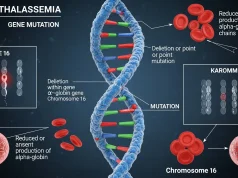
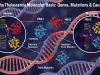
To truly grasp what alpha thalassemia trait means, we need to look closely at our DNA. The instructions for building the alpha-globin part of hemoglobin are housed on chromosome 16.
Understanding the Alpha-Globin Genes
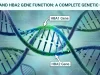
Every person inherits four alpha-globin genes in total. You receive two from your mother and two from your father. These genes are known scientifically as HBA1 and HBA2. They act as the factories producing the alpha-globin proteins. As long as these factories are running smoothly, your body produces plenty of normal hemoglobin to keep your red blood cells healthy and oxygen-rich.
How Gene Deletions Lead to Thalassemia
Alpha thalassemia happens when one or more of these four genes are missing (deleted) or mutated. The severity of the condition depends entirely on how many genes are affected. If all four genes are present and working, you have normal hemoglobin production. If some are missing, your body produces less alpha-globin, which slightly changes the size and color of your red blood cells.
Different Types of Alpha Thalassemia
Medical professionals categorize alpha thalassemia based on the number of missing genes:
- One-gene deletion (Silent Carrier): Only one of the four genes is missing. People with this genetic makeup have completely normal hemoglobin levels and red blood cells. They are considered “silent carriers” because the condition is usually completely undetectable without specialized DNA testing.
- Two-gene deletion (Alpha Thalassemia Trait): Two of the four genes are missing. This is the classic alpha thalassemia trait. The missing genes can be inherited in two different patterns. You might inherit two missing genes from one parent (known as the cis deletion, common in Asian populations), or you might inherit one missing gene from each parent (known as the trans deletion, more common in African populations). This genetic state causes red blood cells to be slightly smaller and paler than usual, but it does not cause severe disease.
When three or four genes are missing, the condition becomes a more serious disease rather than just a trait. Three missing genes cause Hemoglobin H disease, and four missing genes result in a life-threatening condition called alpha thalassemia major (or hydrops fetalis).
Symptoms and Diagnosis
 Because the alpha thalassemia trait involves having two functional alpha-globin genes, the body compensates remarkably well. Most individuals carrying this genetic signature live completely normal lives without any glaring signs of illness.
Mild Symptoms and Anemia
For the vast majority of people, alpha thalassemia trait is completely asymptomatic. If symptoms do occur, they are generally limited to very mild anemia. You might occasionally experience a slight dip in energy levels, but your body largely functions perfectly. Your red blood cells will be smaller than average (microcytic), but there are still enough of them to get the job done.
The Importance of Family History
Doctors often start suspecting a thalassemia trait based on your ethnic background and family history. If you have ancestors from regions where malaria was historically common, the genetic trait is much more prevalent. Researchers believe the trait survived and spread in these populations because it offered some natural protection against severe malarial infections.
Diagnostic Testing
Diagnosing the alpha thalassemia trait requires specific laboratory work. Routine blood tests are usually the starting point:
- Complete Blood Count (CBC): This standard test measures the size, number, and maturity of your blood cells. People with the trait usually have a normal or slightly low hemoglobin count, but a noticeably high number of small red blood cells (low Mean Corpuscular Volume, or MCV).
- Hemoglobin Electrophoresis: This test measures the different types of hemoglobin in the blood. Interestingly, for adults with alpha thalassemia trait, this test often comes back looking completely normal, which can make diagnosis tricky.
- Genetic Testing: The most definitive way to diagnose alpha thalassemia trait is through DNA analysis. This specific test looks directly at the HBA1 and HBA2 genes to count exactly how many deletions or mutations are present.
Differentiating from Iron Deficiency
One of the most common medical mix-ups involves confusing the alpha thalassemia trait with iron deficiency anemia. Both conditions cause the body to produce small, pale red blood cells. Because of this visual similarity under a microscope, doctors might mistakenly prescribe iron supplements. However, iron supplements will not fix the anemia caused by thalassemia. Taking unnecessary iron over a long period can actually lead to iron overload, which can damage organs. Accurate blood tests that measure ferritin and iron binding capacity are essential to rule out iron deficiency before confirming a thalassemia diagnosis.
Living with Alpha Thalassemia Trait
Receiving a genetic diagnosis can sometimes trigger anxiety, but hearing you have the alpha thalassemia trait should be reassuring. It is a stable, lifelong condition that does not worsen over time.
A Generally Excellent Prognosis
The prognosis for individuals with this trait is excellent. It does not shorten your lifespan, nor does it increase your risk for other chronic illnesses like heart disease or cancer. You can participate in intense physical activities, donate blood, and live a completely unrestricted life.
Treatment and Management
Because the condition is essentially a harmless genetic quirk, no medical treatment is required. You do not need to take special medications, and as mentioned earlier, you should actively avoid taking excessive iron supplements unless a doctor has confirmed you also have a true iron deficiency.
Pregnancy and Thalassemia Trait
Pregnancy naturally causes a slight drop in hemoglobin levels for all women because the body’s blood volume expands to support the growing baby. For women with the alpha thalassemia trait, this natural drop can make their existing mild anemia slightly more pronounced. Obstetricians will closely monitor your blood counts during prenatal visits to ensure you and the baby remain healthy, but the trait itself does not cause pregnancy complications for the mother.
Managing Energy Levels
While the trait is largely silent, some individuals report occasional fatigue, especially during periods of high stress, poor sleep, or poor nutrition. Eating a balanced diet rich in vitamins like folate, staying well-hydrated, and getting adequate rest will help optimize your energy levels.
Genetic Counseling and Family Planning

The most significant impact of carrying the alpha thalassemia trait lies in family planning. Because it is an inherited condition, understanding how you might pass these genes to your children is vital.
Inheritance Patterns
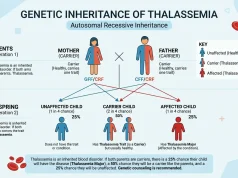
If you have the trait, you have a 50% chance of passing a missing gene to your child. The real risk emerges when both parents carry genetic mutations for hemoglobin.
If both you and your partner have the alpha thalassemia trait, there is a risk of having a child with a much more severe form of the condition. If both parents carry the cis deletion (two missing genes on the same chromosome), they have a 25% chance of passing on zero functional alpha-globin genes. This results in hydrops fetalis, a condition that is usually fatal before or shortly after birth. They also have a 25% chance of having a child with completely normal genes, and a 50% chance of having a child with the trait.
If one parent has the alpha trait and the other is a silent carrier, there is a 25% chance of having a child with Hemoglobin H disease, which causes moderate to severe anemia and often requires ongoing medical care.
When Partners Carry Different Traits
Sometimes, partners carry different types of hemoglobin variations. For example, understanding the implications for partners who also carry alpha thalassemia trait or beta thalassemia minor is an important part of genetic counseling. If one partner has alpha thalassemia trait and the other has beta thalassemia minor, they generally do not run the risk of having a child with a severe thalassemia disease, because the alpha and beta mutations affect different gene clusters. However, a genetic counselor can provide specific, personalized risk assessments based on precise DNA testing.
Prenatal Diagnosis and Screening Options
Couples known to be at risk for passing on severe forms of thalassemia have several options available. Preimplantation genetic diagnosis (PGD) can be used during in vitro fertilization (IVF) to select embryos that do not carry the severe disease. For couples who are already pregnant, prenatal diagnostic tests such as chorionic villus sampling (CVS) or amniocentesis can determine the genetic status of the fetus early in the pregnancy.
Research and Future Directions
The medical community continues to study hemoglobin disorders to improve diagnostic accuracy and patient outcomes across the globe.
Advances in Genetic Testing
Modern technology has made DNA testing faster, cheaper, and far more accurate. Next-generation sequencing is allowing researchers to identify rare and complex mutations in the alpha-globin genes that standard tests previously missed. This ensures patients receive accurate diagnoses and precise family planning advice.
Exploring Potential Therapies
While individuals with the trait do not need treatment, researchers are heavily focused on finding cures for the severe forms of thalassemia. Gene editing technologies, such as CRISPR, are currently in clinical trials. These tools aim to correct the defective genes at the cellular level, potentially offering a permanent cure for Hemoglobin H disease and major thalassemias in the future.
Ongoing Thalassemia Studies
Scientists are also investigating how the alpha thalassemia trait interacts with other environmental and genetic factors. For instance, studies are ongoing to understand exactly how the trait provides resistance to malaria, hoping to unlock new treatments for the infectious disease itself.
Embracing Your Genetic Blueprint
 Finding out you carry the alpha thalassemia trait is simply learning a new detail about your body’s unique genetic blueprint. It is a highly common condition that causes no serious health problems and requires no daily medical treatment. The red blood cells in your body might be slightly smaller than average, but they are fully capable of supporting a long, healthy, and active life.
The true value of this diagnosis lies in empowerment. Knowing your carrier status allows you to prevent misdiagnoses like iron deficiency, and more importantly, it gives you the necessary tools for family planning. By working with healthcare providers and genetic counselors, individuals carrying this trait can make safe, informed choices for their future families.