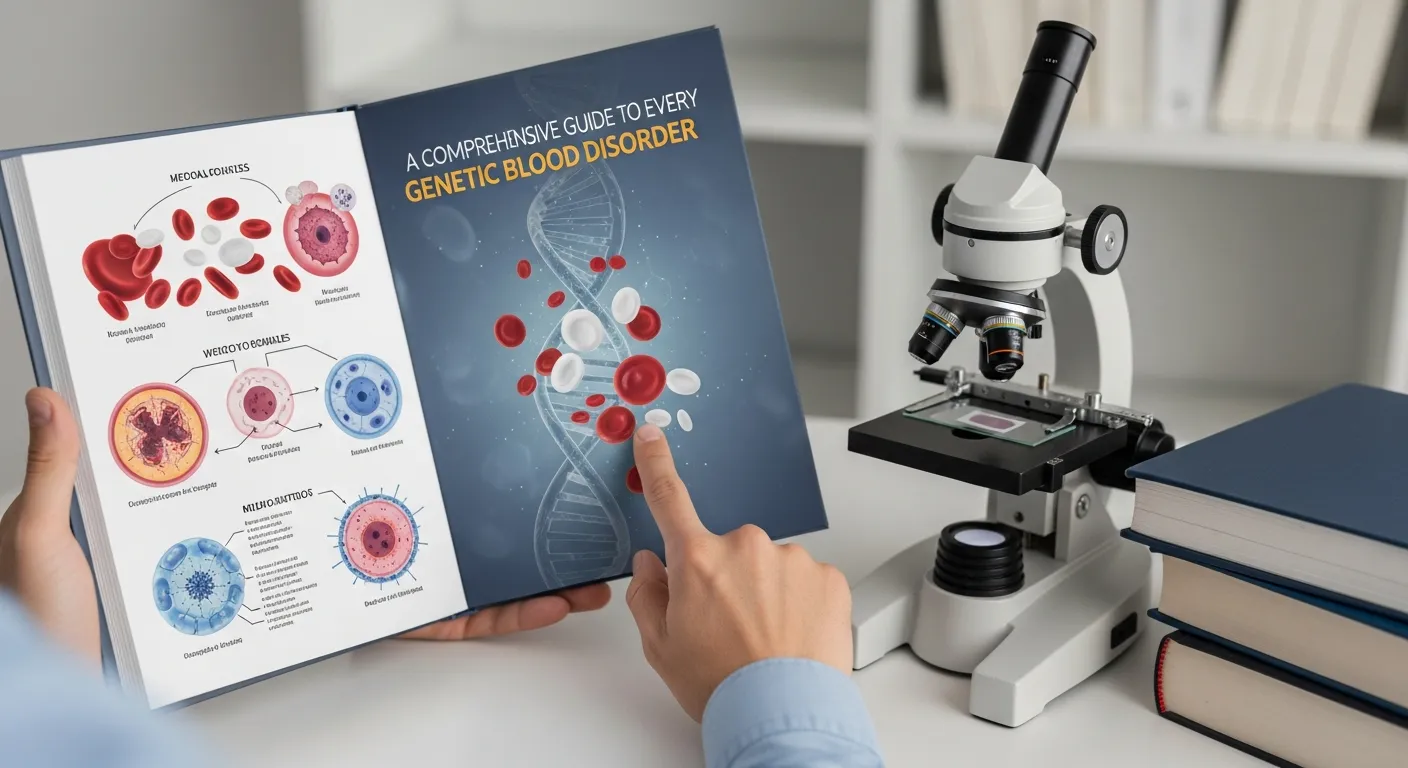
Genetic blood disorders are inherited conditions that affect the production or function of blood cells, including red blood cells, white blood cells, or platelets. These disorders can lead to anemia, bleeding problems, or weakened immunity. Common examples include thalassemia, sickle cell disease, and hemophilia. Symptoms vary depending on the condition but may include fatigue, frequent infections, or abnormal bleeding. Early diagnosis through genetic testing and blood screening is essential for proper management and treatment.
Receiving a medical diagnosis can often feel overwhelming, especially when it involves inherited conditions that affect the very fluid sustaining your life. Learning about a genetic blood disorder might seem daunting at first, but understanding the science behind these conditions provides clarity, empowerment, and peace of mind. By educating yourself on how these disorders function, you take the first crucial step toward proactive health management.
Blood is a complex, life-giving tissue responsible for transporting oxygen, fighting infections, and preventing excessive bleeding. When a genetic mutation disrupts the production or function of essential blood components, it can lead to a genetic blood disorder. These conditions vary widely in severity, from completely asymptomatic traits to severe diseases requiring lifelong medical intervention.
This comprehensive guide explores the definition, causes, and impacts of a genetic blood disorder. We will cover the most common types, the importance of early diagnosis, and the latest advancements in treatment. Whether you are navigating a recent diagnosis, exploring your family history, or simply looking to expand your medical knowledge, this post will provide valuable insights into the world of inherited blood conditions.
What is a Genetic Blood Disorder?
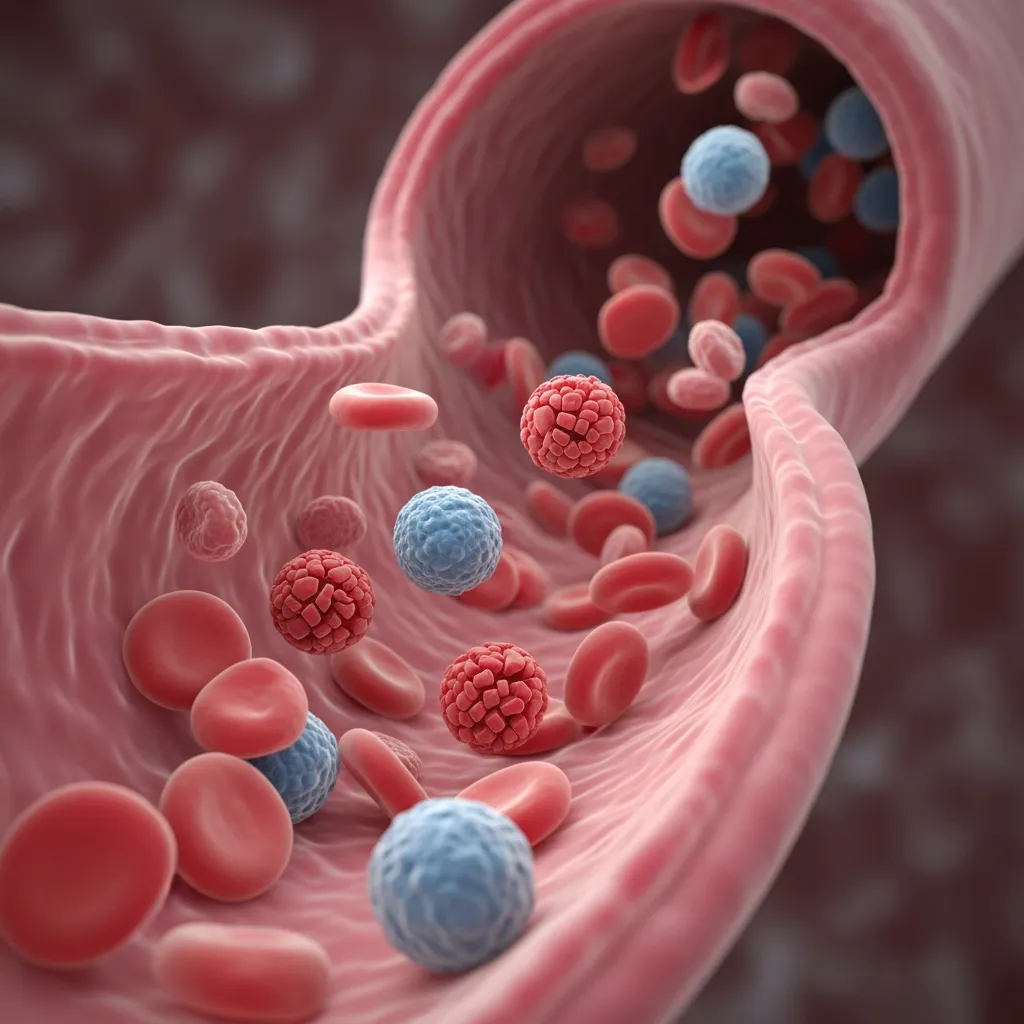 A genetic blood disorder is a medical condition passed down from parents to their children through DNA. These disorders occur when specific genes responsible for creating red blood cells, white blood cells, or platelets contain mutations. Because these instructions are embedded in your genetic code, you are born with the condition, even if symptoms do not appear until later in life.
The human body relies on a delicate balance of blood components to function properly. Red blood cells carry oxygen using a vital protein called hemoglobin. White blood cells defend against viruses and bacteria. Platelets help your blood clot to stop bleeding after an injury. A genetic blood disorder typically disrupts one of these three critical areas.
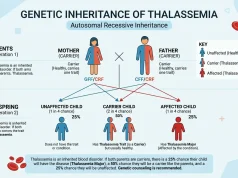
Understanding how a genetic blood disorder is inherited is an essential part of managing family health. Most of these conditions follow an autosomal recessive inheritance pattern. This means a child must inherit a mutated gene from both parents to develop the severe form of the disease. If a child inherits the mutated gene from only one parent, they become a carrier. Carriers often live completely normal lives but hold the potential to pass the gene on to the next generation.
The Importance of Understanding These Conditions
Raising awareness about every genetic blood disorder is a global health priority. Millions of people worldwide carry genetic mutations that affect their blood. Many remain entirely unaware of their carrier status until they experience unexplained health issues or undergo prenatal screening.
Knowledge is your most powerful tool. When families understand their genetic history, they can make informed decisions regarding family planning and prenatal care. Furthermore, recognizing the early signs of a genetic blood disorder leads to timely medical intervention. Early treatment can prevent severe complications, protect vital organs, and significantly improve a patient’s overall quality of life.
Advocacy also plays a massive role in improving healthcare outcomes. By utilizing digital advocacy for thalassemia and other blood conditions, communities can raise funds for research, promote regular blood donation, and dismantle the stigma often associated with inherited diseases.
Common Types of Genetic Blood Disorders
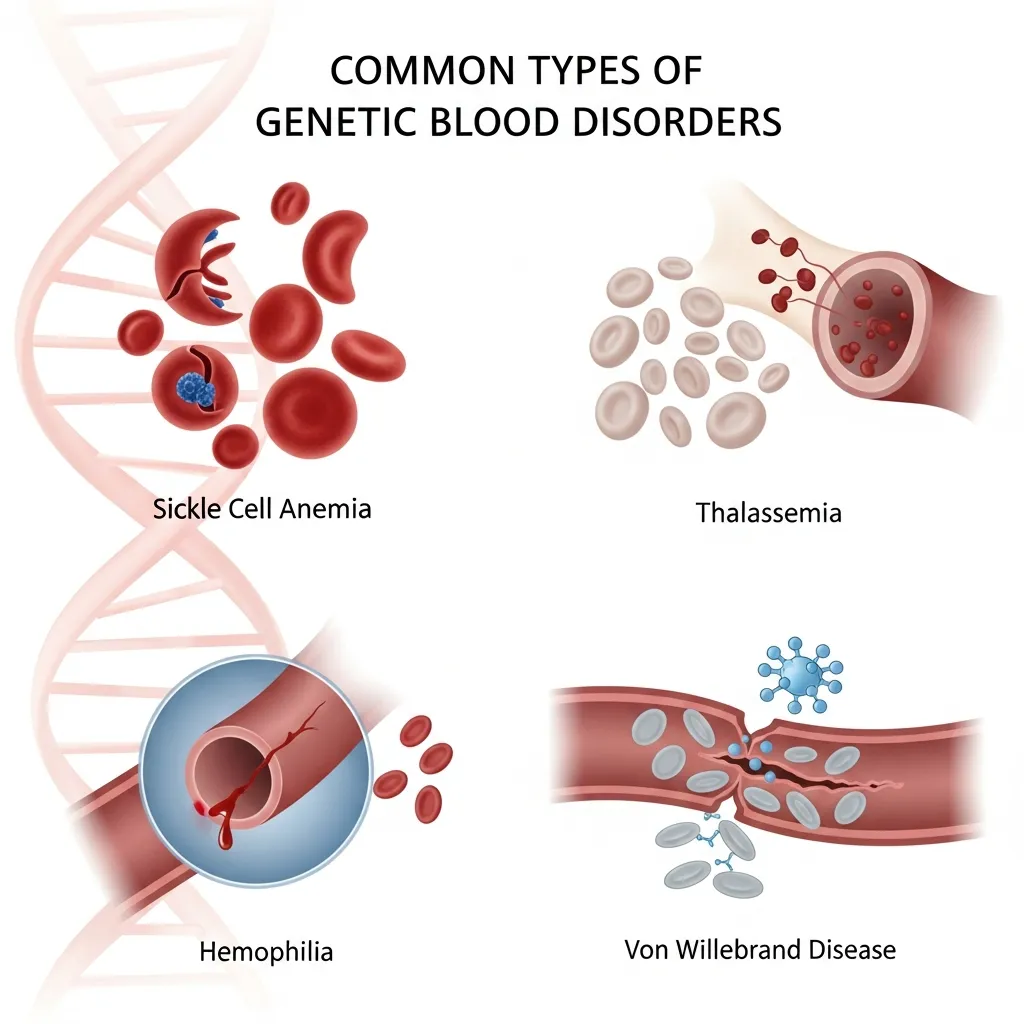
While there are many different inherited blood conditions, a few specific types are particularly prevalent across the globe.
Thalassemia
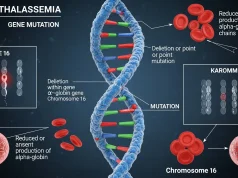
Thalassemia is a well-known genetic blood disorder that affects the body’s ability to produce normal hemoglobin. Without enough hemoglobin, red blood cells break down prematurely, leading to chronic anemia. This genetic blood disorder is categorized into two main types based on the affected protein chains: alpha-thalassemia and beta-thalassemia.
Individuals with minor forms of this condition often experience very mild anemia or no symptoms at all. However, severe variations require lifelong medical care. For instance, understanding Hemoglobin Barts is crucial for expectant parents, as it represents the most severe form of alpha-thalassemia, often leading to life-threatening prenatal complications.
Sickle Cell Disease
Sickle cell disease is another widespread genetic blood disorder. It causes the red blood cells to become rigid and shaped like a crescent or “sickle.” These abnormally shaped cells can easily get stuck in small blood vessels, blocking blood flow and oxygen from reaching tissues. This blockage causes severe pain crises, organ damage, and an increased risk of infection.
Hemophilia
Unlike thalassemia and sickle cell disease, which affect red blood cells, hemophilia is a genetic blood disorder that impacts the blood’s ability to clot. People with hemophilia lack sufficient blood-clotting proteins (factors). As a result, they can bleed for a longer time after an injury and are susceptible to dangerous internal bleeding, particularly in their knees, ankles, and elbows.
Recognizing the Symptoms and Warning Signs
The symptoms of a genetic blood disorder depend entirely on the specific type and severity of the condition. Some people live their entire lives without realizing they carry a genetic mutation, while others face significant health challenges from infancy.
If a genetic blood disorder affects red blood cells, anemia is the most common result. You might notice symptoms like profound fatigue, weakness, and pale or yellowish skin. People often mistake these signs for simple exhaustion or a poor diet. For example, learning to navigate alpha thalassemia trait symptoms can help individuals differentiate between a genetic blood disorder and common iron deficiency anemia.
When a genetic blood disorder affects the clotting process, warning signs include frequent and hard-to-stop nosebleeds, unexplained bruising, and prolonged bleeding from minor cuts. In rare instances, severe blood chemistry imbalances can even cause visible changes in blood hue, prompting questions about greenish blood causes and other unusual hemoglobin reactions.
Diagnosis and Genetic Screening
Accurate diagnosis is the cornerstone of managing any genetic blood disorder. Because many symptoms overlap with other common illnesses, doctors rely on specific laboratory tests to confirm the presence of a genetic anomaly.
Blood Tests
The diagnostic process usually begins with a simple Complete Blood Count (CBC). This test measures the size, number, and maturity of your blood cells. If the CBC reveals abnormalities, doctors will order specialized tests like hemoglobin electrophoresis. This laboratory procedure separates the different types of hemoglobin in the blood, helping to pinpoint the exact genetic blood disorder.
Genetic Testing
To achieve a definitive diagnosis, medical professionals use targeted DNA analysis. Genetic testing looks directly at your chromosomes to identify missing or mutated genes. This eliminates all guesswork and provides a clear map of your genetic health.
For families with a known history of a genetic blood disorder, the World Health Organization (WHO) strongly recommends genetic counseling and prenatal screening. Procedures like chorionic villus sampling (CVS) allow healthcare teams to analyze fetal DNA early in pregnancy, offering parents vital time to prepare for specialized medical needs.
Modern Treatment and Disease Management
 Historically, a severe genetic blood disorder offered a very poor prognosis. Today, rapid advancements in hematology have transformed these conditions into manageable chronic illnesses.
Blood Transfusions and Chelation Therapy
For severe forms of anemia caused by a genetic blood disorder, regular blood transfusions are the primary treatment. These transfusions supply the patient with healthy, oxygen-rich red blood cells. However, frequent transfusions cause iron to build up in the body. To prevent toxic iron overload from damaging the heart and liver, patients must undergo iron chelation therapy. This involves taking daily medications that bind to excess iron and flush it out of the system.
Bone Marrow Transplants
Currently, a bone marrow transplant (or stem cell transplant) is the only established cure for many types of severe genetic blood disorders. This procedure replaces the patient’s defective stem cells with healthy ones from a matched donor. While highly effective, it carries significant risks and requires a compatible sibling or registry donor.
Emerging Gene Therapies
The medical community is actively exploring groundbreaking treatments for every genetic blood disorder. Gene therapy involves extracting a patient’s own stem cells, correcting the defective gene in a laboratory, and infusing the healthy cells back into the body. Early clinical trials are showing immense promise, and reputable organizations like the Centers for Disease Control and Prevention (CDC) continue to monitor and report on these exciting advancements.
Navigating Life with a Genetic Blood Disorder
Managing a chronic genetic blood disorder requires resilience, meticulous planning, and a strong support system. Patients must balance regular hospital visits, daily medications, and routine monitoring while striving to maintain a normal lifestyle.
Community support plays an essential role in emotional well-being. Connecting with patient advocacy groups allows individuals to share resources, vent frustrations, and celebrate milestones with people who truly understand their journey. By raising public awareness and funding innovative research, we can ensure that every person facing a genetic blood disorder has access to the care and compassion they deserve.
1. What is the most common genetic blood disorder?
Thalassemia and sickle cell disease are among the most common genetic blood disorders globally. They primarily affect the production and function of hemoglobin in red blood cells.
2. Can a genetic blood disorder be cured?
Currently, a bone marrow or stem cell transplant is the only established cure for certain severe genetic blood disorders. However, emerging gene therapies offer strong hope for wider curative treatments in the near future.
3. How do I know if I have a genetic blood disorder?
Mild forms of a genetic blood disorder often present no symptoms and are only discovered during routine blood tests. Severe forms typically present with symptoms like chronic fatigue, pale skin, frequent infections, or abnormal bleeding. A doctor can confirm the diagnosis through a complete blood count and targeted genetic testing.
4. Do I need treatment if I am only a carrier?
Most carriers of a genetic blood disorder do not require any medical treatment and live completely healthy lives. However, carriers should seek genetic counseling before starting a family to understand the risks of passing the condition to their children.
5. Is iron deficiency the same as a genetic blood disorder?
No. Iron deficiency anemia is caused by a lack of dietary iron or blood loss. A genetic blood disorder is caused by inherited DNA mutations. Taking iron supplements will not cure a genetic blood disorder and can actually be harmful if iron deficiency is not present.
6. Can genetic blood disorders be prevented?
They cannot be fully prevented, but the risk can be reduced through genetic counseling, carrier screening, and prenatal testing before pregnancy or during family planning.
7. At what age do genetic blood disorders usually appear?
Some genetic blood disorders are present at birth, while others become noticeable during infancy, childhood, or even adulthood depending on severity and type.
8. Are genetic blood disorders life-threatening?
Mild forms may not affect life expectancy, but severe forms like untreated thalassemia major or sickle cell disease can lead to serious complications if not properly managed.
9. What lifestyle changes help manage genetic blood disorders?
A balanced diet, regular medical checkups, avoiding iron overload, staying hydrated, and following doctor-recommended treatments can help manage symptoms effectively.
10. Why is genetic testing important for blood disorders?
Genetic testing helps confirm the exact disorder, assess severity, guide treatment, and provide important information for family planning and early intervention.