Home Thalassemia Awareness Molecular Basis of Alpha Thalassemia: Genes, Mutations & Pathophysiology

Molecular Basis of Alpha Thalassemia: Genes, Mutations & Pathophysiology

17
0
Molecular Basis of Alpha Thalassemia

Molecular basis of alpha thalassemia explains genetic mutations, gene deletions, and hemoglobin defects affecting red blood cell production and oxygen transport.
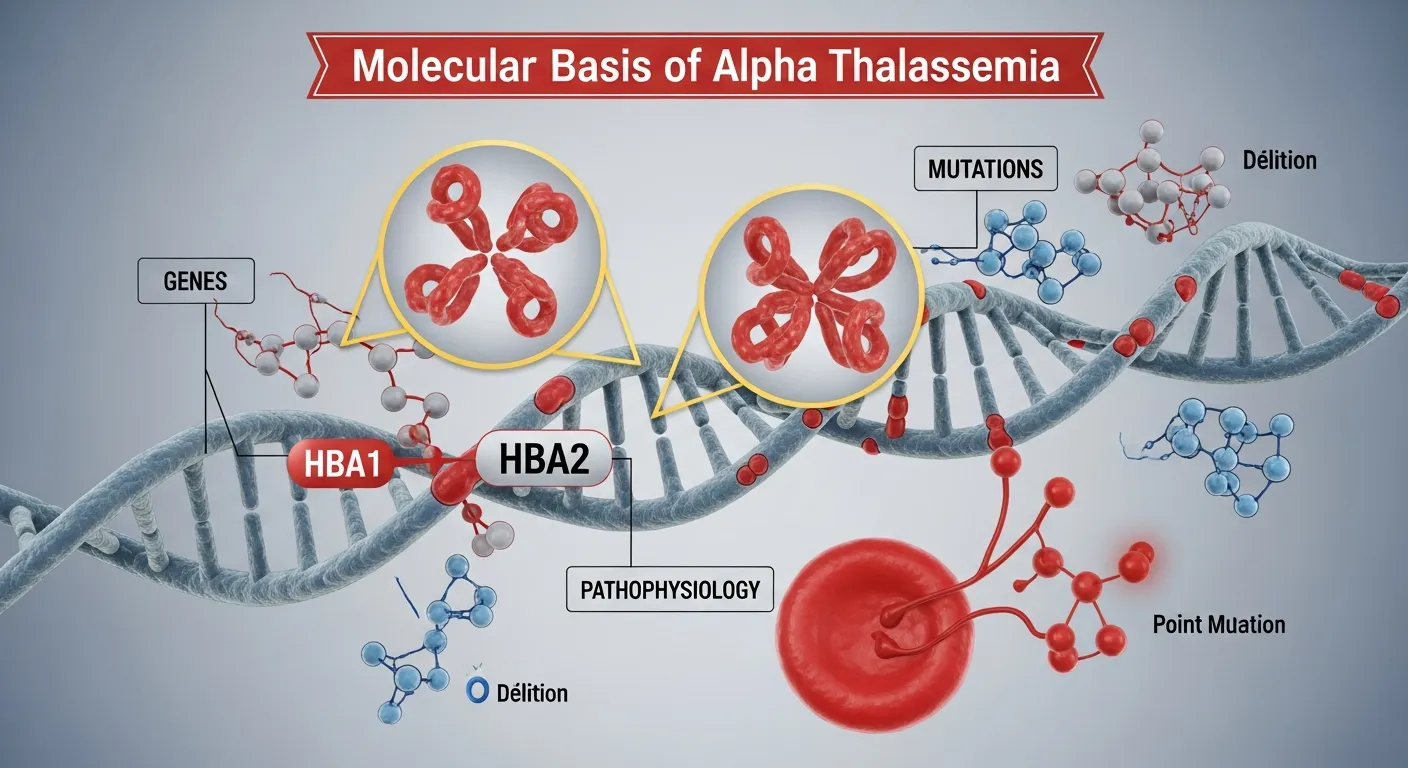
The molecular basis of alpha thalassemia involves a wide range of genetic alterations that reduce or completely eliminate the production of alpha-globin chains. These changes disrupt the normal structure of hemoglobin, leading to imbalanced globin chain synthesis and impaired oxygen delivery throughout the body.

In healthy individuals, hemoglobin is formed by two alpha and two beta globin chains (HbA). This balanced structure is essential for efficient oxygen transport. However, in alpha thalassemia, reduced alpha-globin production causes excess unpaired beta or gamma chains to accumulate. These unstable chains form abnormal hemoglobin complexes such as Hemoglobin H (β₄), which are functionally inefficient and prone to oxidative damage.

Types of Genetic Changes in Alpha Thalassemia

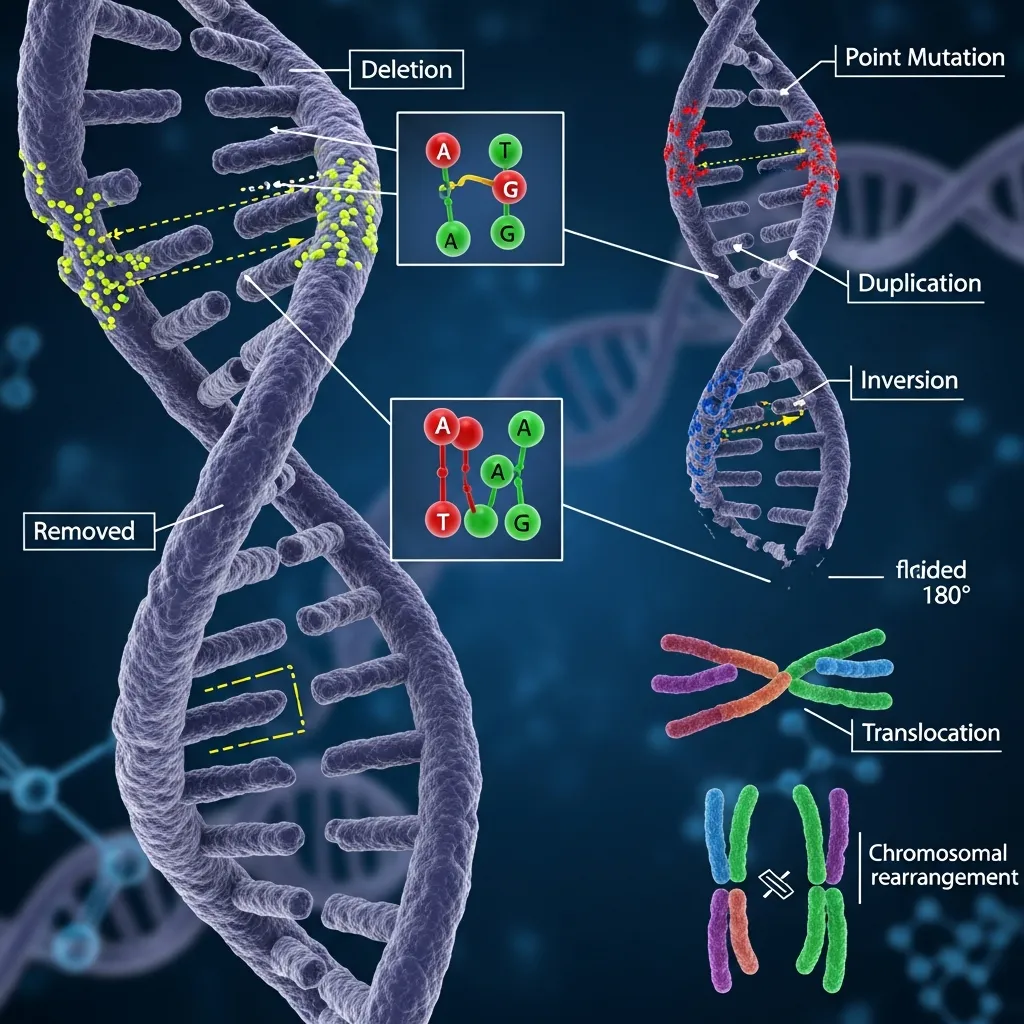
Alpha thalassemia genetic mutations overviewThe molecular defects in alpha thalassemia can be broadly classified into two main categories:
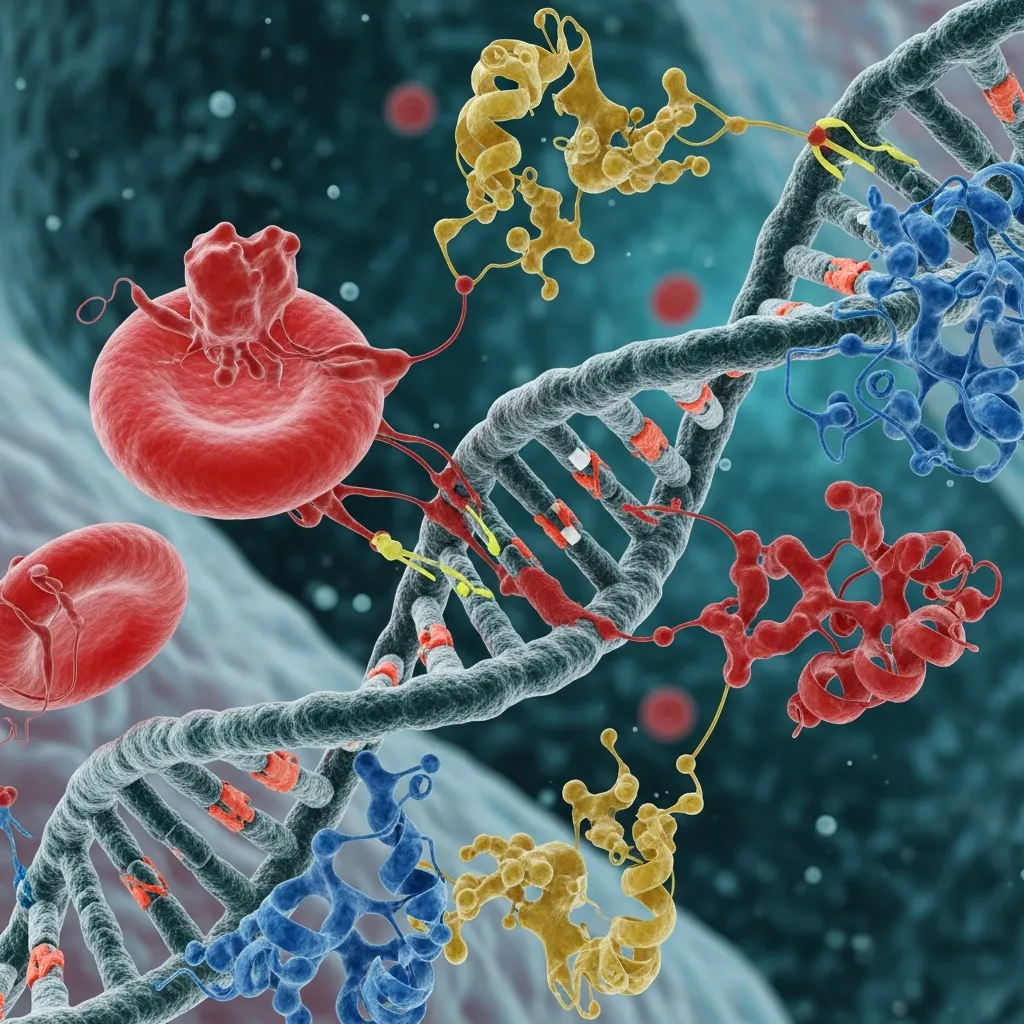
  • Deletional mutations: These are the most common and involve the loss of one or more alpha-globin genes on chromosome 16. Large segment deletions remove HBA1 and/or HBA2 genes, leading to reduced alpha-chain synthesis.
  • Non-deletional mutations: These are less common and involve point mutations, insertions, or deletions within the gene itself. These mutations may produce unstable or nonfunctional alpha-globin chains.

The severity of the disease depends on how many of the four alpha-globin genes are affected:

  • 1 gene deletion: Silent carrier state (usually no symptoms)
  • 2 gene deletions: Alpha thalassemia trait (mild anemia)
  • 3 gene deletions: Hemoglobin H disease (moderate to severe anemia)
  • 4 gene deletions: Hemoglobin Bart’s hydrops fetalis (usually fatal)

Pathophysiological Impact

The imbalance between alpha and non-alpha globin chains leads to ineffective erythropoiesis (impaired red blood cell production) in the bone marrow. Many immature red blood cells are destroyed before entering circulation, resulting in chronic anemia. Additionally, the body attempts to compensate by increasing red blood cell production, which can cause bone marrow expansion and organ enlargement, particularly of the spleen and liver.

Oxidative stress from excess free globin chains further damages red blood cells, shortening their lifespan and worsening anemia.

Clinical and Diagnostic Relevance

Understanding the molecular basis of alpha thalassemia is crucial for modern diagnostics. Genetic testing can precisely identify deletions or mutations in the HBA1 and HBA2 genes, allowing accurate carrier detection and disease classification.

This molecular insight also helps clinicians predict disease severity, differentiate alpha thalassemia from other microcytic anemias (such as iron deficiency anemia), and design appropriate management plans.

Importance in Prevention and Public Health

Early identification of carriers plays a key role in preventing severe forms of alpha thalassemia. Screening programs, especially in high-prevalence regions, allow for genetic counseling and informed reproductive choices. This significantly reduces the incidence of severe outcomes such as hydrops fetalis.

👉 Learn more:
HBA1 and HBA2 Gene Function (Genetic Guide)


Alpha Thalassemia Molecular Pathophysiology

The Alpha thalassemia molecular pathophysiology explains how genetic defects at the DNA level translate into clinical symptoms observed in patients. It describes the step-by-step biological process that connects gene abnormalities with abnormal hemoglobin production and red blood cell destruction.

Step 1: Reduced Alpha Globin Production

The process begins with gene deletions or mutations affecting HBA1 or HBA2 genes. This results in decreased or absent alpha globin chain synthesis, which is essential for normal hemoglobin formation.

Step 2: Chain Imbalance

As alpha chains decrease, excess beta chains accumulate in adults. This imbalance disrupts the normal alpha-to-beta ratio required for stable hemoglobin (HbA).

Step 3: Abnormal Hemoglobin Formation

In more severe cases, excess beta chains form unstable tetramers known as HbH (β4). These abnormal molecules cannot effectively carry oxygen and are highly unstable.

Step 4: Red Blood Cell Damage

Unstable hemoglobin damages red blood cell (RBC) membranes, making them fragile. This leads to structural deformities and reduced cell lifespan.

Step 5: Hemolysis

Damaged RBCs undergo premature destruction (hemolysis), leading to chronic anemia. This hemolytic process is a central feature of the Molecular basis of alpha thalassemia.

Hemoglobin Imbalance and Its Effects

When alpha chains are missing, the body cannot form stable hemoglobin.

This leads to multiple physiological consequences:

  • Reduced oxygen delivery to tissues
  • Chronic anemia
  • Fatigue and generalized weakness
  • Increased cardiac workload
  • Organ stress due to long-term hypoxia

In severe cases, especially when all alpha genes are affected, fetal oxygen transport fails, leading to life-threatening complications such as hydrops fetalis.

Clinical Spectrum of Alpha Thalassemia

The severity of alpha thalassemia depends on how many alpha globin genes are affected:

Silent Carrier (1 gene missing)

  • No symptoms
  • Normal life expectancy
  • Often undetected without genetic testing

Alpha Thalassemia Trait (2 genes missing)

  • Mild anemia
  • Microcytosis
  • Frequently undiagnosed or mistaken for iron deficiency

👉 Read more:
https://thalassemiaawarenet.link/alpha-thalassemia-trait-complete-guide/

HbH Disease (3 genes missing)

  • Moderate to severe anemia
  • Enlarged spleen may occur
  • Requires regular medical management

Hydrops Fetalis (4 genes missing)

  • Severe fetal anemia
  • Usually fatal before or shortly after birth
  • Medical emergency in pregnancy

Molecular Basis and Inheritance Pattern

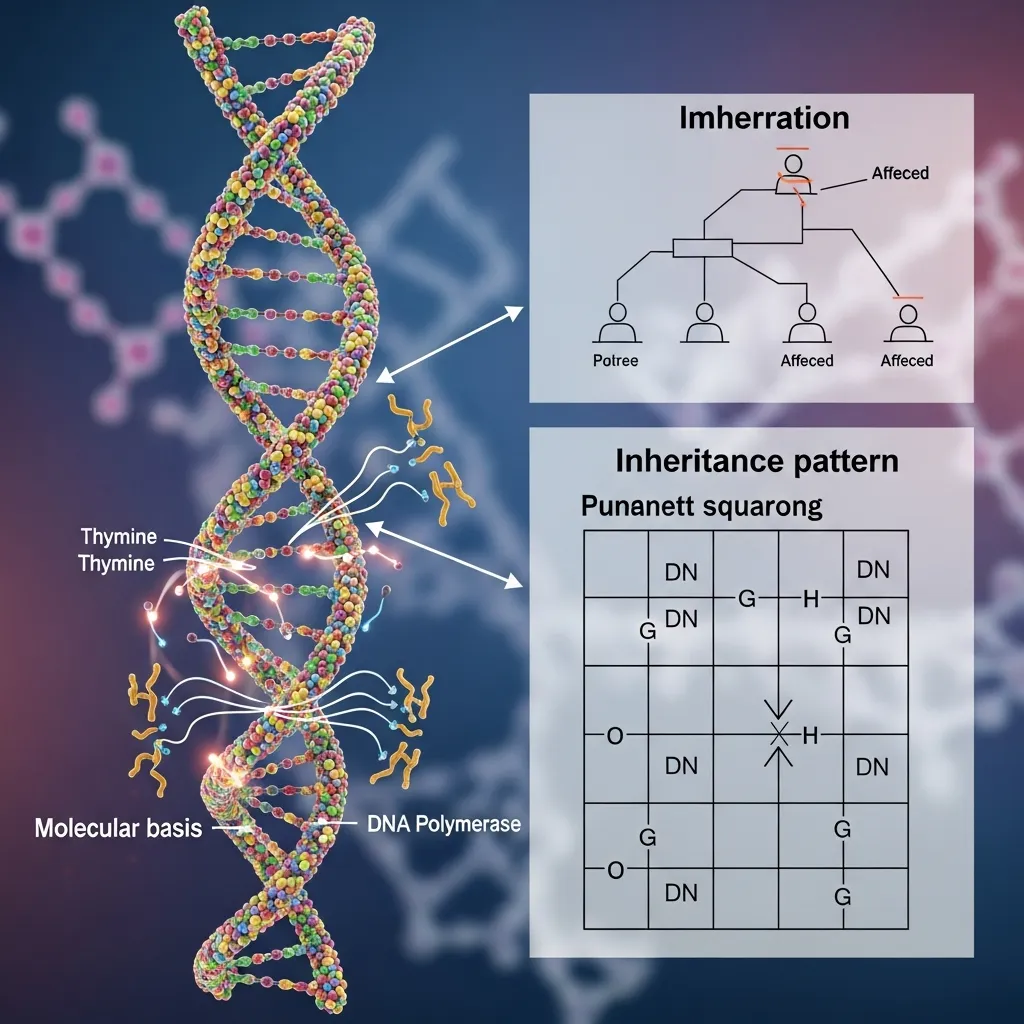
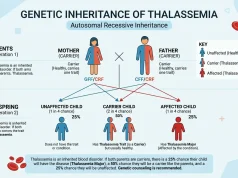
Alpha thalassemia inheritance patternThe Molecular basis of alpha thalassemia follows an autosomal recessive inheritance pattern, which explains how the condition is passed from parents to children. This genetic pattern is central to understanding why the disease appears in different severity levels within families.

What This Means:

  • Both parents may carry defective alpha globin genes without showing severe symptoms
  • Children inherit one set of genes from each parent
  • The combination of inherited mutations determines disease severity
  • The risk of severe disease increases significantly when both parents are carriers

This inheritance mechanism explains why the Molecular basis of alpha thalassemia is not only a molecular problem but also a family-level genetic concern. In many cases, carriers remain undiagnosed until they have an affected child.

Genetic counseling plays a major role in preventing severe cases by identifying carrier couples early and providing reproductive guidance.

👉 Internal link:
https://thalassemiaawarenet.link/inherited-anemia-condition-guide/

Diagnosis Based on Molecular Mechanism

Understanding the Molecular basis of alpha thalassemia is essential for accurate diagnosis. Since the disease originates at the genetic level, diagnosis requires a combination of laboratory and molecular testing.

Key Diagnostic Tools:

  • CBC (Complete Blood Count) test
  • Hemoglobin electrophoresis
  • Genetic testing for alpha globin mutations

These tests help detect:

  • Reduced hemoglobin levels
  • Abnormal hemoglobin variants
  • Specific gene deletions or mutations
  • Severity classification of the disease

Each diagnostic method provides a different layer of information, but together they confirm the presence and type of alpha thalassemia. Genetic testing is especially important for identifying silent carriers who may not show symptoms but can still pass the condition to their children.

Family Planning and Genetic Counseling

Since alpha thalassemia is inherited, understanding the Molecular basis of alpha thalassemia is extremely important for family planning and reproductive decisions. Couples who are both carriers have a higher risk of having children with severe forms of the disease.

Benefits of Genetic Counseling:

  • Identification of carrier status before pregnancy
  • Assessment of genetic risk for offspring
  • Prevention of severe thalassemia cases
  • Support for informed reproductive decisions
  • Guidance on prenatal diagnostic options

Genetic counseling helps families understand inheritance patterns and reduces the emotional and medical burden associated with severe thalassemia outcomes.

👉 Learn more:
https://thalassemiaawarenet.link/family-planning-thalassemia-guide/

Overall, integrating molecular understanding with clinical practice ensures better diagnosis, prevention, and management of alpha thalassemia, highlighting the importance of genetics in modern hematology.

Global Health Importance

Global impact of alpha thalassemiaAlpha thalassemia is one of the most common inherited blood disorders worldwide, with particularly high prevalence in regions where malaria has historically been endemic. These areas include Southeast Asia, the Mediterranean basin, the Middle East, and parts of Africa. In these populations, the carrier frequency can be very high, making alpha thalassemia a significant public health concern.

The global distribution of alpha thalassemia is strongly linked to evolutionary protection against malaria. Carriers of certain alpha-globin gene deletions have a survival advantage in malaria-prone regions, which has contributed to the persistence and spread of these genetic traits over generations. As a result, many individuals in affected regions are asymptomatic carriers, often unaware of their genetic status.

From a public health perspective, understanding the molecular basis of alpha thalassemia is essential for effective disease prevention and management. Early genetic screening, carrier detection programs, and prenatal counseling can significantly reduce the incidence of severe forms such as Hemoglobin H disease and hydrops fetalis. These interventions are especially important in high-prevalence regions where access to specialized treatment may be limited.

In addition, improving awareness among healthcare providers and communities helps promote early diagnosis and appropriate clinical care. This reduces complications such as severe anemia, growth retardation in children, and long-term organ damage in affected individuals.

Overall, global health initiatives focused on education, screening, and genetic counseling play a crucial role in reducing the burden of alpha thalassemia and improving quality of life for affected populations.

Conclusion

The Molecular basis of alpha thalassemia is rooted in genetic deletions and mutations that disrupt normal alpha globin production. This imbalance leads to abnormal hemoglobin formation, ineffective red blood cell production, and varying degrees of anemia.

Understanding Alpha globin gene deletion mechanisms, Genetic mutations in alpha thalassemia, and Alpha thalassemia molecular pathophysiology is essential for accurate diagnosis, prevention, and management.

Advances in genetic testing and molecular biology have made it possible to detect the disease early and guide family planning decisions effectively. With proper awareness and screening, severe forms of alpha thalassemia can be significantly reduced.



LEAVE A REPLY

Please enter your comment!
Please enter your name here