
Family planning thalassemia involves genetic counseling, carrier screening, and reproductive options like IVF with PGD to prevent passing thalassemia to children. It helps couples make informed decisions, reduce genetic risks, and ensure healthier pregnancy outcomes.
Quick answer: Family planning thalassemia involves genetic counseling and carrier screening to assess the risk of passing this blood disorder to children. Prospective parents can choose natural conception, in vitro fertilization (IVF) with preimplantation genetic diagnosis (PGD), or adoption. Consulting a medical professional ensures informed decisions for a healthy family.
Starting a family is a deeply personal and exciting milestone. However, when you or your partner carry a genetic trait for a blood disorder, the journey requires careful consideration and specialized medical guidance. Understanding how genetic conditions pass from parent to child empowers you to make the best choices for your future family.
Family planning thalassemia strategies focus on evaluating genetic risks, exploring reproductive technologies, and preparing for a healthy pregnancy. Because thalassemia alters how the body produces hemoglobin—the vital protein in red blood cells that carries oxygen—passing the condition to a child can result in severe health complications requiring lifelong care. By taking a proactive approach, prospective parents can navigate these challenges effectively.
This comprehensive guide covers everything from the basics of genetic inheritance and carrier screening to advanced reproductive options and pregnancy management. Armed with this knowledge, you can approach your family-building journey with confidence, clarity, and peace of mind.
What is thalassemia and how do genetics play a role?
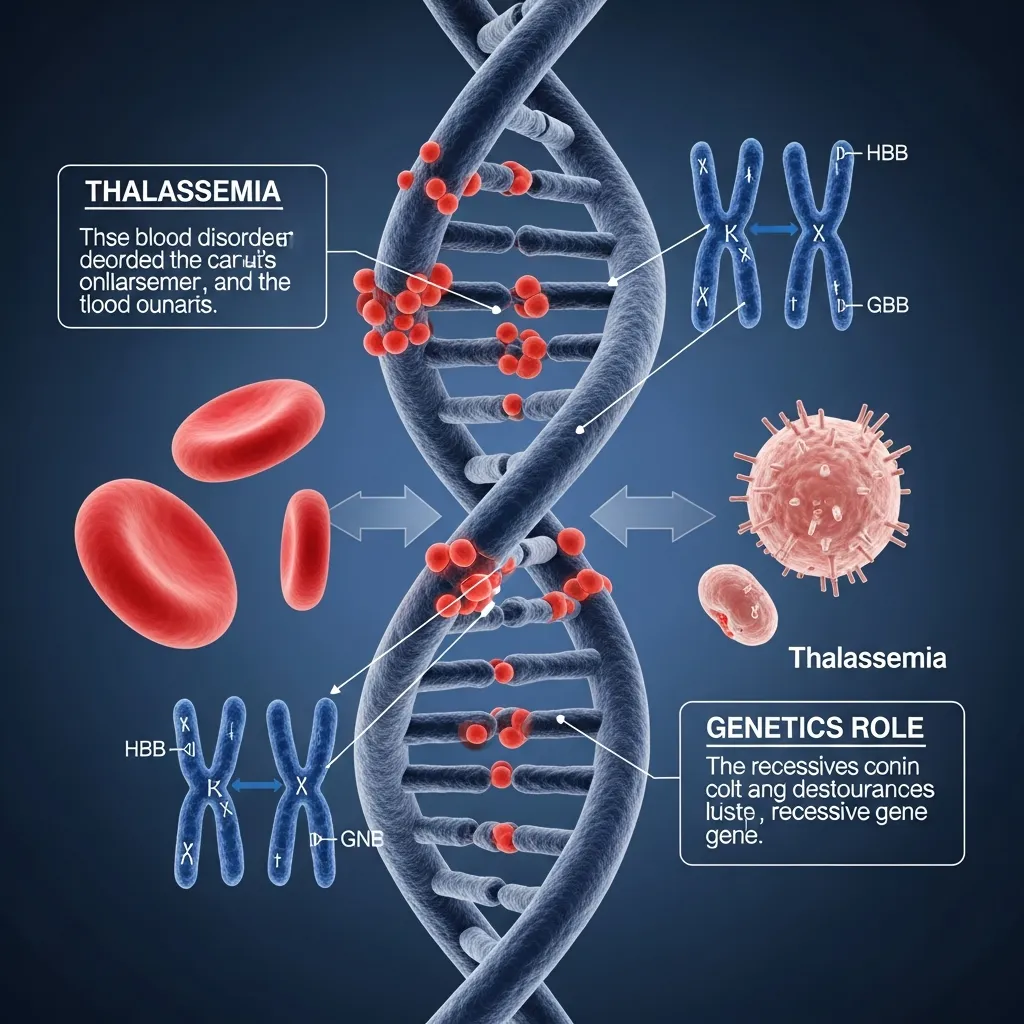 Thalassemia is not a single disease but a group of inherited blood disorders. It affects the body’s ability to produce normal hemoglobin, leading to the premature destruction of red blood cells and chronic anemia. To understand how family planning thalassemia works, parents must first understand the specific types of the condition and how they are inherited.
What are the main types of thalassemia?
Medical professionals categorize thalassemia based on which part of the hemoglobin protein is affected by a genetic mutation. The hemoglobin protein consists of alpha and beta chains.
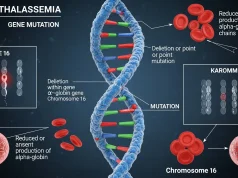
Alpha thalassemia occurs when there is a mutation or deletion in the genes responsible for producing alpha-globin chains. The severity depends on how many of the four alpha-globin genes are missing. Beta thalassemia occurs when the two beta-globin genes are affected.
Doctors further classify these conditions by their clinical severity:
- Thalassemia Minor (Trait): Individuals carry the genetic trait but usually experience no symptoms other than mild anemia.
- Thalassemia Intermedia: Patients have moderate to severe anemia and may require occasional blood transfusions.
- Thalassemia Major: This is the most severe form. Patients require lifelong, regular blood transfusions and intensive medical care to survive.
For a deeper dive into the specifics of these conditions, you can review this inherited anemia condition guide.
How is thalassemia inherited from parents?
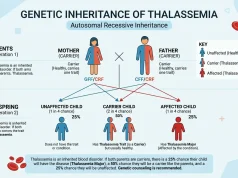
Thalassemia follows an autosomal recessive inheritance pattern. This means a child must inherit a mutated gene from both parents to develop the severe form of the disease.
If only one parent carries the trait, the child has a 50% chance of inheriting the trait and becoming a carrier, but they will not develop severe thalassemia. However, if both parents carry the trait, each pregnancy carries specific odds:
- A 25% chance the child will have a severe form of thalassemia (thalassemia major).
- A 50% chance the child will be a healthy carrier (thalassemia minor).
- A 25% chance the child will not inherit any mutated genes and have completely normal blood.
Understanding these genetic pathways is crucial. You can learn more about how these inheritance patterns function by reading a comprehensive genetic blood disorders guide.
What pre-conception planning steps should thalassemia carriers take?
For couples aware of their genetic history, the family planning thalassemia journey begins long before conception. Early medical intervention provides the widest range of reproductive options.
Why is genetic counseling important for prospective parents?
Genetic counseling is the cornerstone of responsible family planning. A certified genetic counselor analyzes your family medical history, reviews your blood test results, and calculates the exact statistical risk of passing thalassemia to your offspring. Counselors provide clear, unbiased information, helping couples weigh their options without dictating which path they should take.
How do carrier screening and genetic testing work?
Carrier screening begins with a simple Complete Blood Count (CBC) to check for small, pale red blood cells—a common indicator of the trait. If the CBC suggests an abnormality, doctors order a hemoglobin electrophoresis test to separate and measure the different types of hemoglobin in the blood.
To achieve a definitive diagnosis, medical professionals use targeted DNA analysis. This genetic test looks directly at your chromosomes to identify missing or mutated genes. Knowing the exact genetic mutation allows doctors to provide precise medical guidance. It is important to know the signs to look out for, which you can explore in this resource on alpha thalassemia trait symptoms.
How do doctors assess the risk for future children?
Once doctors determine the genetic status of both partners, they can map out the precise risks for future children. If both partners have mutations on the same globin gene (e.g., both carry beta thalassemia), the risk of having a severely affected child is high. If one partner carries an alpha mutation and the other carries a beta mutation, the child will not develop thalassemia major, as the mutations do not combine to cause the severe disease.
What are the reproductive options for couples carrying thalassemia?
 When both partners carry the thalassemia trait, family planning thalassemia strategies focus on minimizing risk and ensuring the health of the child. Modern medicine offers several pathways for couples to build their families safely.
What does natural conception with informed risk entail?
Some couples choose to conceive naturally, fully accepting the 25% risk of having a child with thalassemia major. In these cases, parents often rely heavily on prenatal testing to determine the health of the fetus during the pregnancy. This path requires profound emotional preparation and a readiness to manage a chronic illness if the child is affected.
How does Preimplantation Genetic Diagnosis (PGD) with IVF prevent thalassemia?
For couples who want to guarantee their biological child will not suffer from severe thalassemia, In Vitro Fertilization (IVF) combined with Preimplantation Genetic Diagnosis (PGD) is the most effective medical route. Choose PGD if preventing the transmission of the disease matters more than the high financial cost and physical demands of IVF.
During this process, doctors retrieve eggs from the mother and fertilize them with the father’s sperm in a laboratory. Once the embryos develop for a few days, embryologists extract a single cell from each embryo and test its DNA for thalassemia mutations. Doctors then select a healthy embryo—one that does not have thalassemia major—and transfer it to the mother’s uterus.
What prenatal diagnosis options exist during pregnancy?
If a couple conceives naturally, doctors offer prenatal diagnosis to determine the genetic status of the fetus early in the pregnancy. There are two primary methods:
- Chorionic Villus Sampling (CVS): Performed between the 10th and 13th weeks of pregnancy, CVS involves collecting a small tissue sample from the placenta. The placental tissue contains the same genetic material as the fetus, allowing for accurate DNA testing.
- Amniocentesis: Conducted around the 15th to 20th week, this procedure involves extracting a small sample of the amniotic fluid surrounding the fetus. The fluid contains fetal cells that doctors analyze for genetic mutations.
According to the Centers for Disease Control and Prevention (CDC), early prenatal diagnosis gives parents essential time to consult with pediatric hematologists and prepare for specialized postnatal care if necessary.
Why might couples choose adoption or donor options?
Some couples prefer to avoid the clinical complexities of IVF and the emotional weight of natural conception risks. In these scenarios, using donor eggs or donor sperm from an individual who does not carry the thalassemia trait completely eliminates the risk of the child inheriting the severe disease. Adoption is another beautiful, risk-free alternative that allows couples to build a loving family while bypassing genetic concerns entirely.
How can mothers manage pregnancy with thalassemia?
When a woman who has thalassemia major or intermedia becomes pregnant, her medical care requires intense, multidisciplinary supervision. A family planning thalassemia approach ensures the mother remains healthy while supporting fetal development.
What medical considerations affect pregnant mothers with thalassemia?
Pregnancy naturally places increased stress on the cardiovascular system and expands the body’s blood volume. For mothers with thalassemia, this can worsen existing anemia. Women with thalassemia major usually require more frequent blood transfusions during pregnancy to maintain safe hemoglobin levels as part of a family planning thalassemia care plan.
Furthermore, iron chelation therapy—the medication used to remove excess iron from repeated transfusions—may need to be paused or adjusted during pregnancy, as some chelators can harm fetal development. Cardiologists and hematologists closely monitor heart and liver function throughout all trimesters to ensure safe outcomes in family planning thalassemia management.
How do doctors monitor fetal health during pregnancy?
High-risk pregnancies require frequent ultrasound monitoring. Doctors use detailed imaging to check the baby’s growth and assess blood flow through the umbilical cord and fetal brain. This helps detect signs of fetal anemia early. In cases where the fetus is severely affected by a condition like Hemoglobin Barts (the most severe form of alpha thalassemia), early detection allows for life-saving interventions such as intrauterine blood transfusions.
Which nutritional and lifestyle changes support a healthy pregnancy?
Mothers with thalassemia should focus on a nutrient-dense diet rich in calcium, vitamin D, and folic acid. Because thalassemia causes rapid turnover of red blood cells, the body depletes folate quickly. Folic acid supplementation is vital to prevent neural tube defects in the developing baby. Women with thalassemia should avoid iron supplements unless explicitly prescribed by a hematologist, as they may already suffer from dangerous iron overload.
 Decisions made during family planning thalassemia discussions ultimately shape the daily life of the child and the entire family unit. Raising a child with a chronic blood disorder involves significant commitments.
The landscape of thalassemia treatment is evolving rapidly. Scientific breakthroughs are transforming a historically fatal disease into a manageable condition, and in some cases, offering a complete cure.
Which current treatments manage thalassemia effectively?
The current standard of care remains regular blood transfusions paired with rigorous iron chelation therapy. Advances in oral chelators have significantly improved compliance and quality of life for patients, replacing the need for painful, hours-long needle infusions that were standard decades ago.
Are gene therapy and stem cell transplantation viable cures?
Currently, a hematopoietic stem cell transplant (bone marrow transplant) is the only established cure for severe thalassemia. It involves replacing the patient’s defective stem cells with healthy ones from a matched donor, usually a sibling. While highly effective, the procedure carries substantial risks, and finding a perfectly matched donor is difficult.
Gene therapy represents the most exciting frontier in thalassemia research. Scientists extract the patient’s own stem cells, use advanced technology to insert functional copies of the missing globin genes, and infuse the corrected cells back into the body. Recent FDA approvals of gene therapies for blood disorders are paving the way for a future where patients can be cured using their own biology. You can track these global advancements through resources provided by the World Health Organization (WHO).
What does the future outlook for thalassemia research hold?
Ongoing research focuses on precision medicine—tailoring treatments to the exact genetic profile of the individual. Clinical trials are also exploring drugs that manipulate the body’s red blood cell maturation process, potentially reducing the frequency of required blood transfusions. These advancements offer immense hope to families currently navigating family planning thalassemia decisions.
1. What is the purpose of family planning for thalassemia carriers?
Family planning for thalassemia carriers aims to assess the genetic risk of passing the disorder to offspring. It allows prospective parents to explore reproductive options, such as IVF with PGD, to ensure the birth of a healthy child and prepare for any specialized medical needs during pregnancy.
2. How much does IVF with PGD cost for thalassemia prevention?
The cost of IVF with Preimplantation Genetic Diagnosis (PGD) varies significantly by location and clinic, but it typically ranges from $15,000 to $30,000 per cycle. Some insurance plans may cover parts of the testing.
3. Can a person with thalassemia major have a healthy baby?
Yes, individuals with thalassemia major can have healthy babies, but the pregnancy is high-risk and requires close medical supervision and genetic planning.
4. Is carrier screening necessary if I don’t have thalassemia symptoms?
Yes. Many carriers have no symptoms, so screening is the only way to know your genetic risk before pregnancy.
5. What are the risks of amniocentesis for prenatal thalassemia diagnosis?
Amniocentesis is accurate but carries a small risk of miscarriage, usually less than 1%, so it is recommended only when medically necessary.
6. What is genetic counseling in family planning thalassemia cases?
Genetic counseling helps couples understand their risk of passing thalassemia and guides them through reproductive options like IVF or prenatal testing.
7. Can thalassemia be prevented through family planning thalassemia methods?
Yes, advanced reproductive techniques like IVF with genetic screening can significantly reduce the risk of having a child with severe thalassemia.
8. When should couples consider family planning thalassemia screening?
Couples should consider screening before pregnancy, especially if there is a family history or if both partners are from high-risk regions.
9. Does carrier status affect pregnancy health in family planning thalassemia cases?
Carrier status usually does not affect pregnancy health directly, but it is important for assessing the baby’s genetic risk.
10. Are there natural ways to avoid thalassemia in family planning?
No natural method can prevent genetic inheritance; only medical screening and assisted reproductive technologies can manage risk effectively.