Thalassemia affiliate programs strengthen awareness, patient support, and community engagement through education, partnerships, and outreach activities. These initiatives help improve early diagnosis, expand access to care, and build sustainable support systems for individuals affected by thalassemia.
Grasping the Fundamentals of Thalassemia
Thalassemia encompasses a spectrum of inherited blood disorders characterized by the body’s inability to produce adequate alpha or beta globin chains, essential components of hemoglobin. When these chains are defective, red blood cells become fragile and prone to destruction, resulting in chronic anemia, fatigue, and potential organ damage due to iron overload. The World Health Organization (WHO) estimates that millions worldwide live with some form of thalassemia, though prevalence and access to care vary by region .
The two predominant types, alpha and beta thalassemia, differ based on which globin chain gene is affected. Alpha thalassemia often results from gene deletions, whereas beta thalassemia typically arises from point mutations. Clinical presentation ranges from silent carriers with mild symptoms to transfusion-dependent individuals requiring rigorous treatment plans. Standard care may include regular transfusions, iron chelation therapy, and in select cases, bone marrow transplantation. Emerging research into gene therapy provides hope, but widespread implementation remains in early phases.
Early diagnosis and multidisciplinary management dramatically improve patient outcomes. However, gaps in screening programs and public education persist, especially in underserved areas. According to the U.S. Centers for Disease Control and Prevention (CDC), comprehensive screening and follow-up are critical for mitigating complications. Advocacy efforts that raise funds for mobile screening units, educational workshops, and patient support services are often driven through Thalassemia affiliate programs, which play a central role in bridging healthcare gaps and improving community outreach.
Key Clinical and Genetic Insights
- Thalassemia results from inherited mutations that disrupt normal hemoglobin production and reduce oxygen-carrying capacity in the blood
- Alpha thalassemia is primarily caused by deletions of alpha globin genes, while beta thalassemia results from point mutations affecting beta globin chains
- Disease severity ranges widely from asymptomatic carriers to patients requiring lifelong transfusion support and intensive care management
- Early genetic screening and family counseling significantly reduce the risk of severe disease transmission and complications
- Multidisciplinary care involving hematologists, genetic counselors, and primary care providers improves long-term patient outcomes
Clinical Management Overview
| Aspect |
Description |
Outcome |
| Blood Transfusions |
Regular transfusions to maintain stable hemoglobin levels and improve oxygen delivery |
Reduction in anemia symptoms and improved quality of life |
| Iron Chelation Therapy |
Medical treatment to remove excess iron buildup caused by repeated transfusions |
Prevention of heart, liver, and endocrine organ damage |
| Bone Marrow Transplant |
Curative treatment option for selected eligible patients with compatible donors |
Potential long-term cure with reduced disease burden |
| Genetic Counseling |
Education and counseling for families regarding inheritance patterns and reproductive choices |
Reduced risk of passing the disorder to future generations |
Key Challenges in Thalassemia Care
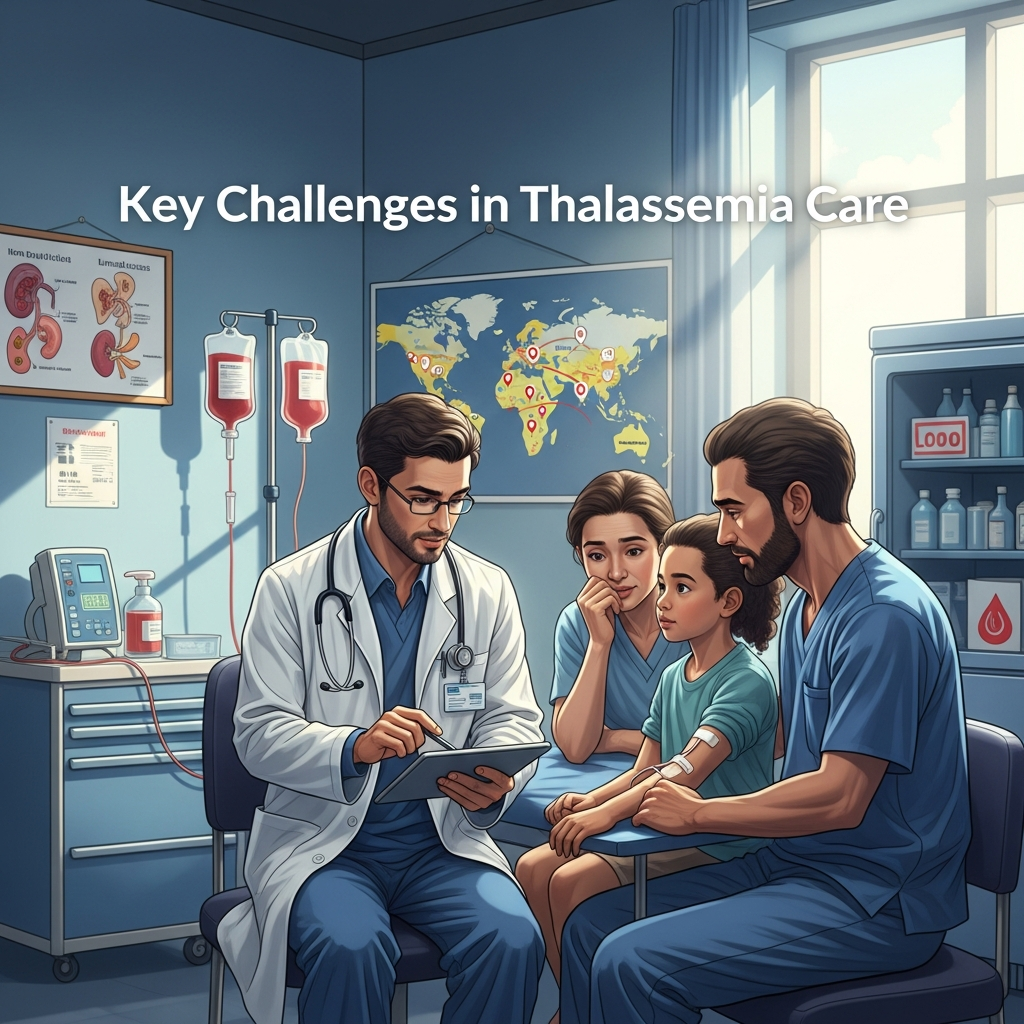 Limited access to early diagnostic screening facilities, especially in rural and low-resource regions where healthcare infrastructure remains underdevelopedLow public awareness regarding carrier status, leading to delayed diagnosis and increased risk of severe disease in childrenHigh lifelong treatment costs that create financial strain on families requiring regular transfusions and supportive careInconsistent availability of iron chelation drugs, affecting long-term disease management and complication preventionEmotional, social, and psychological stress experienced by patients and caregivers due to chronic illness management
Role of Thalassemia Affiliate Programs
Thalassemia affiliate programs play a critical role in addressing these challenges by strengthening healthcare systems, improving education, and building stronger community support networks.
Key Functions
- Organizing large-scale awareness campaigns and educational workshops to improve public understanding of thalassemia and encourage early screening
- Supporting mobile screening units and outreach clinics to ensure early detection in underserved and high-risk populations
- Connecting patients with specialized hospitals, hematology experts, and genetic counseling services for proper diagnosis and treatment planning
- Providing financial, emotional, and logistical support resources to reduce the burden on affected families
- Collaborating with governments, NGOs, and healthcare institutions to improve policy development and healthcare accessibility
Strategic Impact
Thalassemia affiliate programs transform isolated healthcare efforts into coordinated, community-driven systems that strengthen early detection, treatment access, and long-term patient care. By integrating education, screening, advocacy, and support services, these programs significantly improve health outcomes and ensure that more individuals receive timely and effective care.
Impact Pathway of Thalassemia Affiliate Programs
| Stage |
Activity |
Result |
| Awareness |
Community education and campaigns |
Increased public knowledge and early recognition |
| Screening |
Mobile testing and outreach programs |
Early diagnosis and reduced complications |
| Support |
Patient assistance and counseling services |
Improved emotional and financial stability |
| Treatment Access |
Hospital referrals and care coordination |
Better disease management outcomes |
| Advocacy |
Policy engagement and partnerships |
Stronger healthcare systems and resources |
Community and Healthcare Integration Points
- Strengthening collaboration between hospitals, clinics, and community organizations to ensure seamless patient referral systems
- Expanding school and youth-based education programs to encourage early awareness and genetic literacy
- Enhancing data collection and reporting systems to track prevalence, treatment outcomes, and program effectiveness
- Increasing partnerships with research institutions to support innovation in gene therapy and long-term treatment solutions
- Building sustainable funding mechanisms to maintain long-term thalassemia affiliate programs and outreach initiatives
Understanding Affiliate Systems in Thalassemia Support Programs
 Affiliate marketing is a performance-based digital strategy where individuals or organizations (affiliates) promote services or resources using unique referral links. When users click these links and complete specific actions—such as signing up for a service, booking a consultation, or making a purchase—the affiliate earns a commission. This system relies on cookies, tracking IDs, and analytics tools to ensure accurate attribution and transparent reporting.
Within healthcare-focused ecosystems, especially in Thalassemia affiliate programs, this model is increasingly used to support awareness, education, and access to care while also generating sustainable funding for outreach initiatives.
Core Components of Affiliate Ecosystems
Merchants:
These include healthcare providers, diagnostic labs, telehealth platforms, and wellness companies offering services relevant to thalassemia care such as genetic testing, hematology consultations, and nutritional support solutions.
Affiliate Networks:
Platforms like ShareASale or CJ Affiliate act as intermediaries that connect merchants with affiliates, manage tracking systems, provide dashboards, and handle commission payouts in a structured and reliable manner.
Affiliates:
These are content creators, nonprofit organizations, healthcare educators, or advocacy groups that promote services through blogs, videos, email campaigns, and social media engagement as part of Thalassemia affiliate programs.
How Thalassemia Affiliate Programs Create Impact
Thalassemia affiliate programs extend beyond marketing and play a meaningful role in healthcare support systems.
- They connect patients to verified telehealth and hematology services
- They help distribute educational content about diagnosis and treatment options
- They support awareness campaigns through digital storytelling and outreach
- They generate funding that can be reinvested into patient care initiatives
- They strengthen collaboration between healthcare providers and advocacy groups
Tracking, Analytics, and Transparency Systems
Accurate tracking is essential for ensuring fairness and effectiveness in affiliate systems.
- Unique referral links identify each affiliate’s contribution
- Cookies track user activity and conversion timelines
- UTM parameters measure traffic sources and campaign performance
- Analytics dashboards provide real-time insights into engagement
- Conversion tracking ensures commissions are properly attributed
Ethical Standards in Healthcare Affiliate Models
Ethics play a critical role in maintaining trust within Thalassemia affiliate programs.
- Promote only evidence-based and medically approved services
- Clearly disclose affiliate relationships to audiences
- Avoid exaggerated or misleading health claims
- Prioritize patient safety and informed decision-making
- Ensure compliance with privacy regulations such as GDPR and HIPAA
Strategic Importance of Affiliate Programs in Thalassemia Care
When implemented responsibly, Thalassemia affiliate programs can become a powerful support mechanism that bridges healthcare access gaps, improves patient education, and creates sustainable funding streams. By combining ethical digital marketing with healthcare advocacy, these programs help build stronger, more informed, and better-supported thalassemia communities.
Breaking Down Affiliate Marketing
Affiliate marketing is a performance-based model where individuals or organizations (affiliates) promote a merchant’s products or services via unique referral links. When a visitor clicks an affiliate link and completes a qualifying action—such as a purchase or sign-up—the affiliate earns a commission. This transparent system uses cookies and tracking IDs to ensure accurate conversion attribution.
Key participants include:
Merchants: Brands, healthcare providers, or technology platforms offering products or services relevant to thalassemia patients, such as home test kits, telehealth consultations, or nutritional supplements.
Affiliate Networks: Intermediaries like ShareASale or CJ Affiliate that connect merchants with affiliates, manage tracking systems, and handle commission payouts.
Affiliates: Publishers such as blogs, nonprofits, or social media creators who promote services and drive targeted traffic through content and campaigns.
In a healthcare advocacy context, this model can support patient education, awareness campaigns, and service delivery. For example, linking to a telemedicine platform specializing in hematology connects patients to expert care while generating referral fees. Similarly, recommending scientifically vetted supplements can support clinical care while also funding awareness and support programs.
How Affiliate Marketing Works
- Users click on a unique affiliate link
- A tracking cookie is stored in the browser
- The system records user actions such as sign-ups or purchases
- Affiliates earn commissions based on verified conversions
- Dashboards provide real-time performance and revenue tracking
Key Benefits of Affiliate Marketing
- Provides scalable income for awareness and support programs
- Helps expand educational outreach through digital content
- Supports funding for patient care and community initiatives
- Builds partnerships between healthcare providers and organizations
- Encourages long-term content-driven engagement
Affiliate Marketing Structure Overview
| Component |
Role |
Function |
| Merchants |
Service/Product providers |
Offer healthcare or wellness solutions |
| Affiliate Networks |
Middle platform |
Manage tracking and payouts |
| Affiliates |
Content creators/organizations |
Promote services and drive traffic |
Ethical Considerations
- Promote only verified and evidence-based healthcare services
- Clearly disclose affiliate relationships to maintain transparency
- Avoid misleading claims or exaggerated medical promises
- Prioritize patient safety and informed decision-making
- Ensure compliance with data privacy regulations
Strategic Impact in Healthcare Advocacy
Affiliate marketing, when applied responsibly, can become a powerful support system for thalassemia-related initiatives. It not only generates sustainable funding but also strengthens awareness, improves access to care, and enhances patient education through trusted digital channels.
How Affiliate Tracking Works
Affiliate marketing relies on precise tracking systems to ensure accurate commission attribution.
- Unique affiliate links are assigned to each promoter
- Cookies store user activity after clicking the link
- Conversion events are recorded when users complete actions
- Dashboards provide real-time performance analytics
- UTM parameters help track traffic sources and campaign effectiveness
Benefits of Affiliate Marketing
- Provides sustainable income streams for organizations
- Supports educational and awareness-driven content creation
- Expands access to healthcare-related tools and services
- Encourages partnerships between healthcare providers and communities
- Helps fund outreach programs and patient support initiatives
Challenges in Affiliate Marketing
- Maintaining trust and ethical responsibility in healthcare recommendations
- Ensuring compliance with privacy regulations such as GDPR and HIPAA
- Avoiding misleading or low-quality product promotions
- Managing accurate tracking and attribution across platforms
- Balancing commercial goals with patient-centered care
Ethical Considerations in Healthcare Affiliate Programs
Affiliate marketing in healthcare-related fields must prioritize patient safety and transparency:
- Promote only evidence-based and medically approved services
- Clearly disclose affiliate relationships to audiences
- Avoid exaggerating treatment benefits or outcomes
- Ensure data privacy and secure handling of user information
- Align recommendations with professional medical guidance
Top Partners and Programs to Consider
 Traditional fundraising—events, grant applications, and direct donations—remains essential, but often reaches a plateau. Thalassemia affiliate programs introduce a scalable, evergreen revenue stream. As your digital audience grows, so do potential commissions. Each article, video, or social post becomes an income channel that funds counseling, screening outreach, and educational materials without relying solely on one-time donations.
Beyond revenue, affiliate marketing drives awareness by embedding educational narratives within product or service recommendations. For instance, a blog post on genetic counseling services can feature patient stories, expert interviews, and affiliate links to a reputable telehealth provider. Readers gain valuable insights, while affiliates generate referral fees that support future content and patient programs.
Collaborations with recognized healthcare brands and institutions strengthen credibility and trust. When your platform partners with laboratories accredited by institutions like the National Institutes of Health or regulated telehealth providers, audiences are more likely to trust both the information and the recommendations. This improved trust leads to higher engagement, stronger community relationships, and better long-term supporter retention.
Expanding Impact Through Digital Growth
Affiliate marketing also scales naturally with digital expansion, making it highly effective for long-term thalassemia support programs.
- Each new blog post, video, or campaign becomes a potential revenue source
- Social media engagement directly contributes to awareness and funding
- Evergreen content continues generating income over time
- SEO-optimized resources attract consistent organic traffic
- Educational content builds long-term authority in the healthcare space
Reinvestment in Patient-Centered Care
Affiliate revenue can be strategically reinvested to maximize real-world impact for thalassemia communities.
- Subsidized transportation for hospital and clinic visits
- Financial assistance for low-income families requiring regular treatment
- Free educational webinars led by hematology specialists
- Community screening and early detection programs
- Patient counseling and mental health support services
Strengthening Trust and Transparency
Sustainable thalassemia affiliate programs depend on ethical practices and transparent communication.
- Clearly disclose all affiliate relationships to audiences
- Promote only evidence-based and medically reliable services
- Maintain strict data privacy and patient confidentiality standards
- Ensure all recommendations align with clinical best practices
- Build long-term trust through consistent, honest communication
Long-Term Strategic Value
When implemented responsibly, affiliate marketing becomes more than a revenue tool—it evolves into a support ecosystem. It strengthens awareness, improves access to care, and helps fund critical thalassemia initiatives. By connecting digital engagement with real-world healthcare support, affiliates create a sustainable cycle of education, funding, and patient care.
Frequently Asked Questions
1. What is affiliate marketing in thalassemia support?
Affiliate marketing in thalassemia support is a model where organizations promote healthcare-related services or tools using referral links.
When users take action through those links, affiliates earn a commission.
These earnings can help fund awareness and patient support programs.
2. How does affiliate marketing help thalassemia programs?
It provides a continuous source of income beyond traditional donations and grants.
Funds can support education, screening, and patient care initiatives.
It also helps expand awareness through digital content.
3. Is affiliate marketing suitable for healthcare awareness?
Yes, if it is used ethically and focuses on trusted medical services.
It should always prioritize patient safety and accurate information.
Responsible use improves awareness and access to care.
4. What types of products or services are promoted?
Common promotions include telehealth platforms, genetic testing, and nutritional tools.
Only medically reliable and evidence-based services should be included.
This ensures trust and safety for the audience.
5. How do affiliates earn money?
Affiliates earn commissions when users click their links and complete actions.
These actions may include sign-ups, purchases, or consultations.
Earnings depend on traffic and conversion rates.
6. Why is transparency important in affiliate marketing?
Transparency builds trust with readers and patients.
Affiliates must clearly disclose partnerships and commissions.
Honesty ensures long-term credibility and engagement.
7. Can affiliate marketing replace traditional fundraising?
No, it should complement traditional fundraising methods.
Events, donations, and grants are still essential.
Affiliate marketing adds a scalable digital income stream.
8. How does content help in affiliate marketing?
Content like blogs, videos, and guides attracts and educates audiences.
It integrates affiliate links naturally within useful information.
Quality content improves engagement and conversions.
9. What are the risks of affiliate marketing in healthcare?
Risks include misinformation, unethical promotion, and loss of trust.
Incorrect recommendations can harm patient decisions.
Strict guidelines and verification reduce these risks.
10. How can affiliate revenue support thalassemia care?
Revenue can fund screenings, transport support, and counseling services.
It also helps run awareness campaigns and educational programs.
This creates a continuous cycle of community support.
Conclusion
Thalassemia affiliate programs present a strategic avenue for advocates, non-profits, and healthcare content creators to cultivate a reliable funding stream while enhancing patient education and outreach. By choosing reputable partners—ranging from diagnostic labs to telehealth providers—crafting audience-focused content, and upholding stringent ethical guidelines, you can convert digital engagement into real-world impact. Continuous performance tracking and optimization ensure that your initiatives evolve in response to community needs and industry shifts.
As you refine your affiliate approach , remember that every click and purchase contributes to a larger mission: improving quality of life for those affected by thalassemia. Embrace these programs as powerful tools in your advocacy toolkit, and partner with brands committed to advancing blood disorder care. Together, we can forge a sustainable path toward awareness, support, and lasting change.